Tagged “unesco-world-heritage”
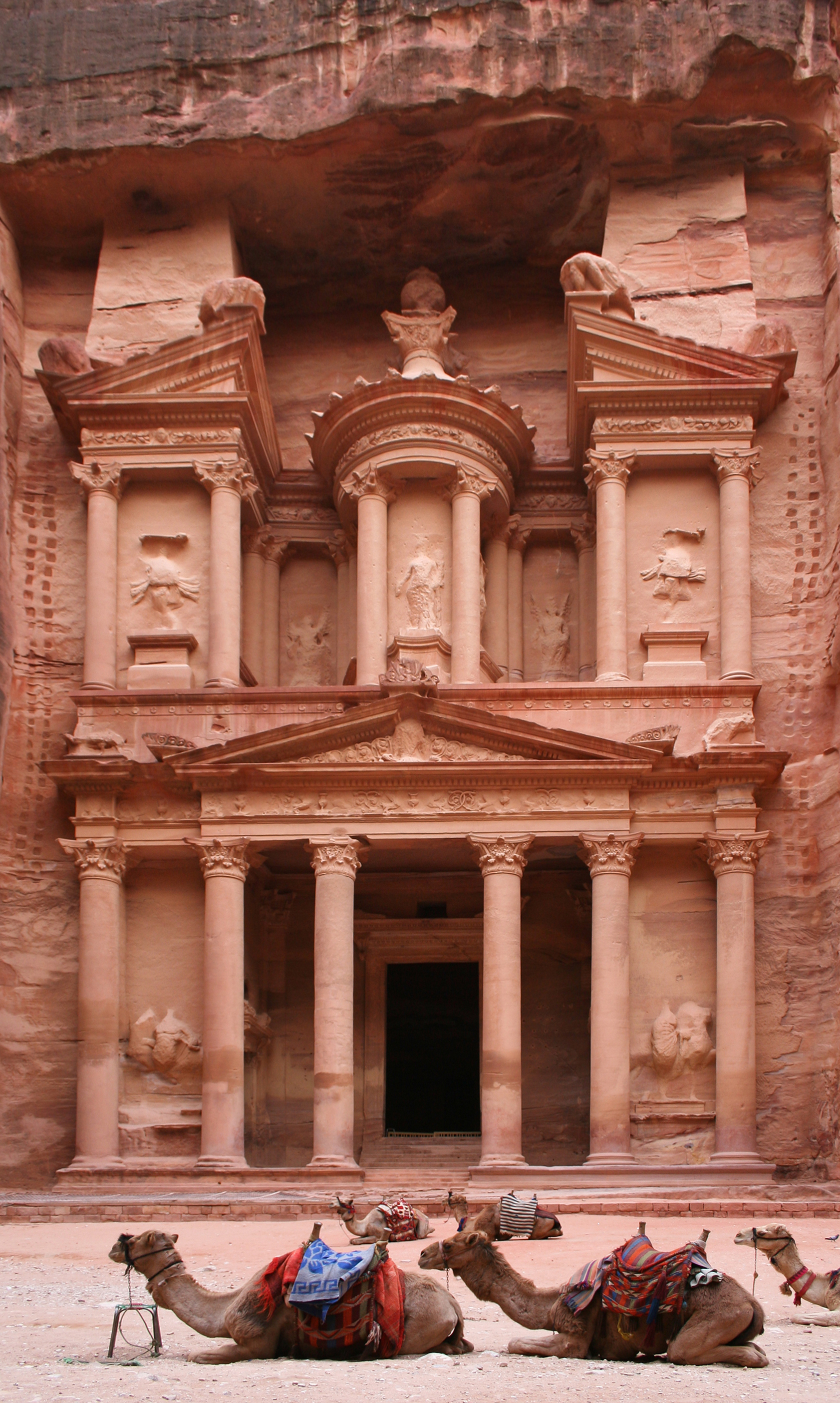
Al-Khazneh (The Treasury), Petra
Nabataean masons carved an entire 40-metre, two-story temple facade downward into a living sandstone cliff, with no seams, no assembled blocks, and apparently no written plan that survives — so exactly how was the work sequenced and scaffolded from the top down, who was it really built for, and what still lies unexcavated beneath it?
1st century BCE - 1st century CE (Nabataean), commonly linked to the reign of Aretas IV · Petra, Ma'an Governorate, JordanAdded July 2026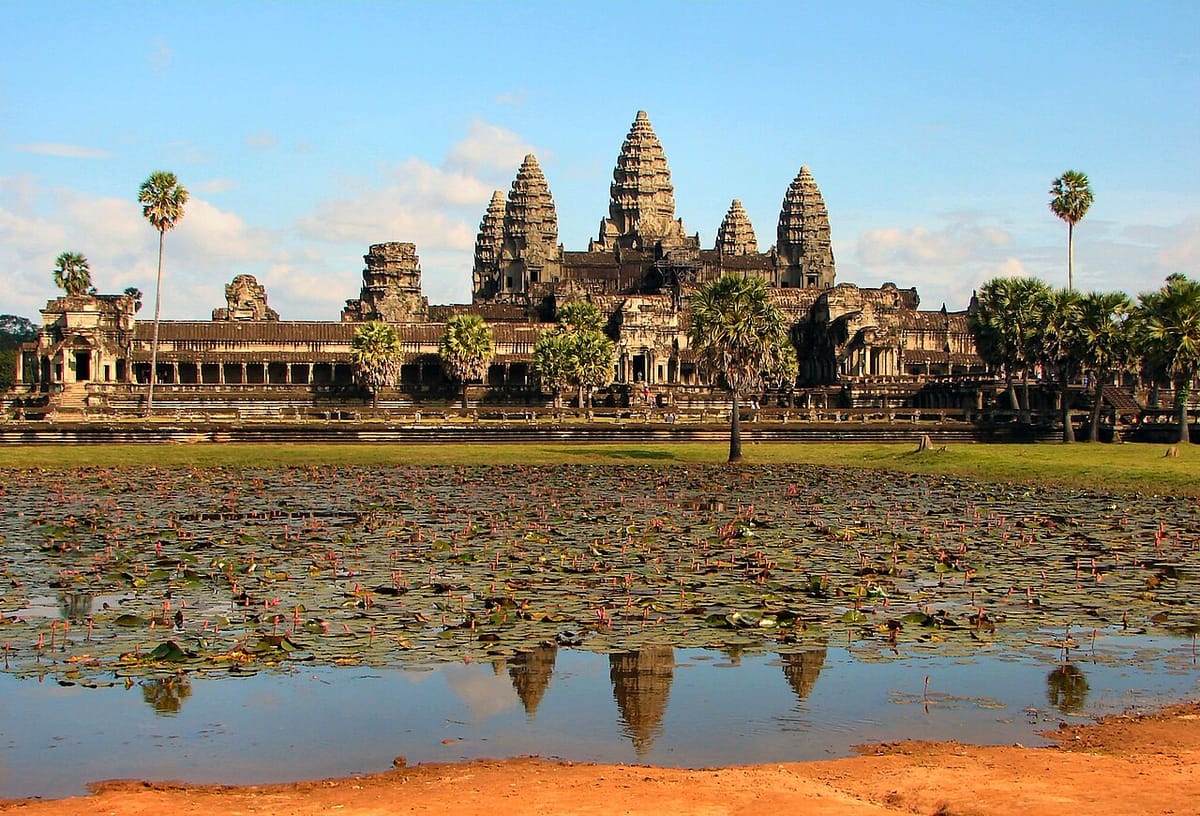 HIGH WONDER
Angkor Wat
How did a 12th-century kingdom quarry, move, and raise several million sandstone blocks — some hauled nearly 40 kilometers from a mountain quarry — into a temple-mountain so precisely built and aligned that its central tower still catches the sunrise at the equinox?
early-to-mid 12th century CE · Angkor, Siem Reap Province, CambodiaAdded July 2026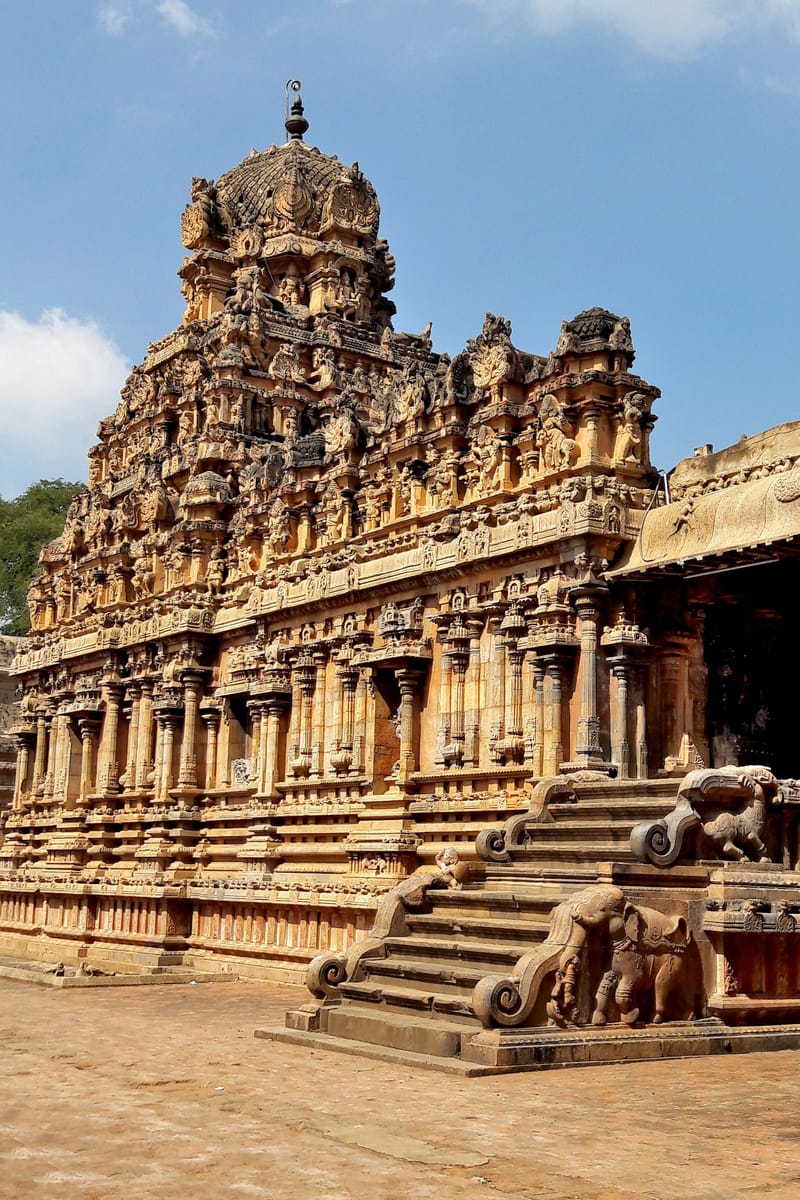
Brihadeeswarar Temple (Thanjavur)
How did eleventh-century Chola builders raise a roughly 80-tonne monolithic capstone some 60 metres to the top of the temple's granite tower, and how did they source and move well over 100,000 tonnes of granite to a delta region with no granite quarry nearby — all without cranes, mortar or iron machinery?
c. 1003–1010 CE, Chola dynasty (Rajaraja I) · Thanjavur, Tamil Nadu, IndiaAdded July 2026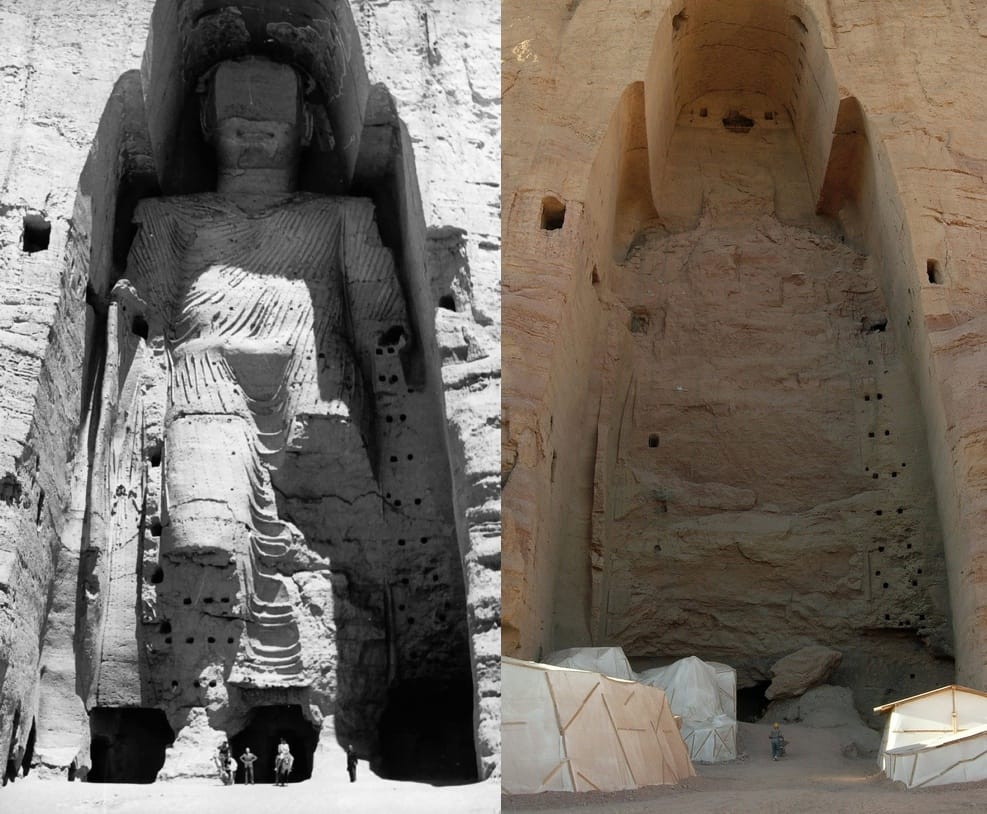 HIGH WONDER
The Buddhas of Bamiyan
How do you carve the two largest standing Buddhas on Earth out of a cliff so weak it crumbles under a tenth of the load ordinary concrete carries — and how much of what stood there for fourteen centuries was actually rock at all?
c. 544-595 CE (Eastern Buddha) and c. 591-644 CE (Western Buddha), by radiocarbon dating · Bamyan Valley, Bamyan Province, AfghanistanAdded August 2026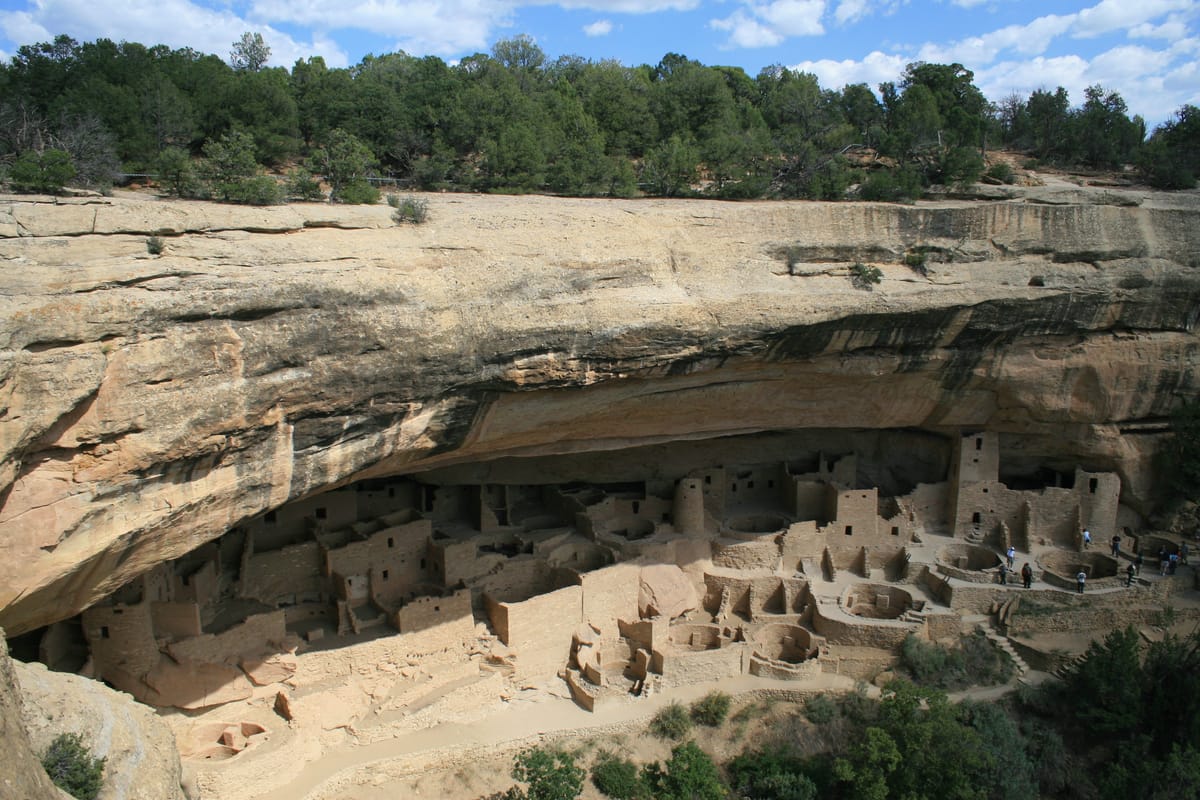
Cliff Palace
How did Ancestral Puebloan builders raise the largest cliff dwelling in North America — roughly 150 rooms and 23 kivas of shaped sandstone and mortar — inside a sheer canyon alcove reached only by pecked hand-and-toe holds, and why, within a few generations of finishing it, did they abandon it entirely?
c. 1190-1260 CE (Ancestral Puebloan) · Mesa Verde National Park, Montezuma County, Colorado, United StatesAdded July 2026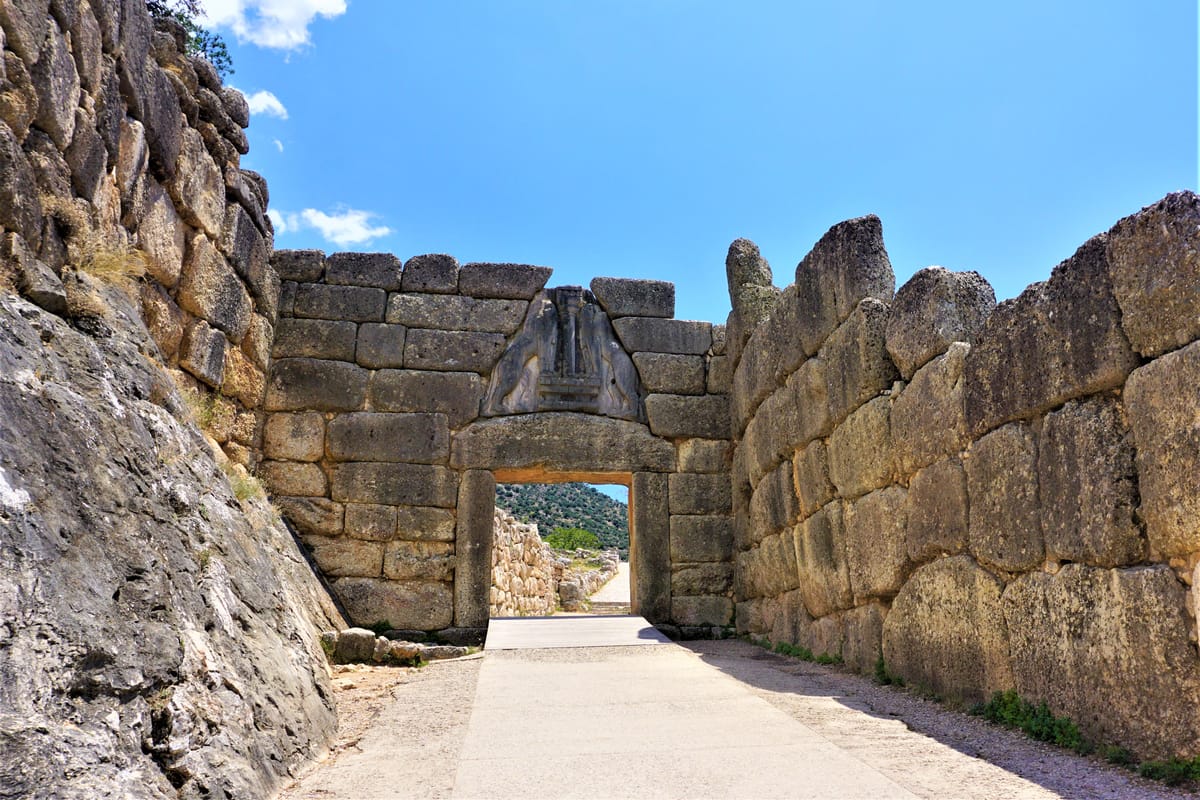 HIGH WONDER
Cyclopean Walls and the Lion Gate of Mycenae
How did Late Bronze Age builders working without iron tools, pulleys, or draft-animal cranes quarry, move, and raise limestone blocks weighing many tonnes each — including an roughly 18-tonne lintel over the Lion Gate — into fortification walls so massive that Iron Age Greeks themselves could only credit the mythical one-eyed Cyclopes?
14th-13th century BCE (Late Bronze Age / Mycenaean palatial period) · Mycenae, Argolis, Peloponnese, GreeceAdded July 2026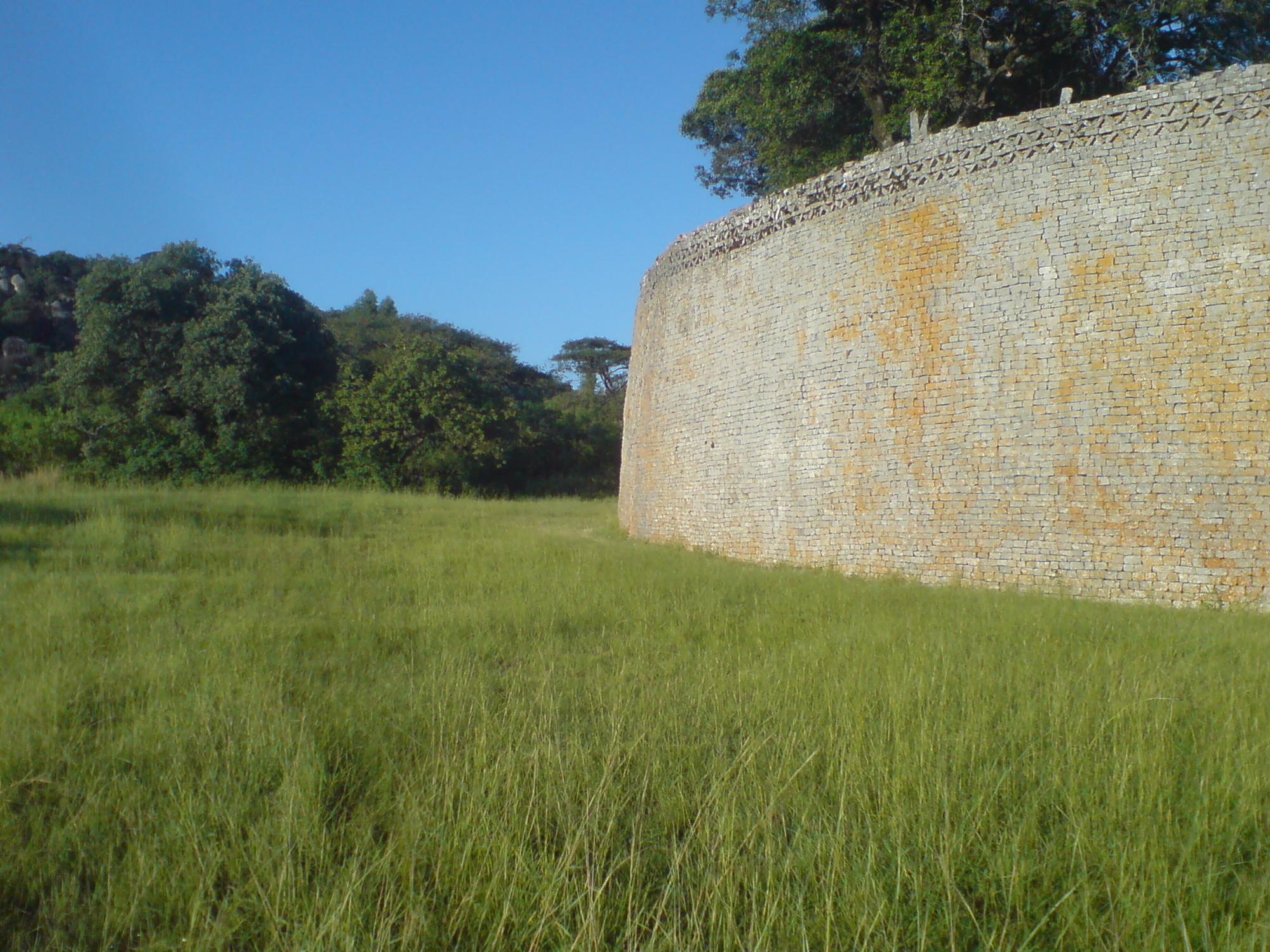
Great Zimbabwe
Colonial-era authorities spent decades insisting Africans could not have built this city — so how, exactly, did a Shona state organize the labor, engineering skill, and long-distance trade needed to raise 800,000-plus mortarless granite blocks into walls eleven metres high, and why, after roughly two centuries at the height of its power, was the city abandoned?
c. 11th-15th century CE · Masvingo Province, ZimbabweAdded July 2026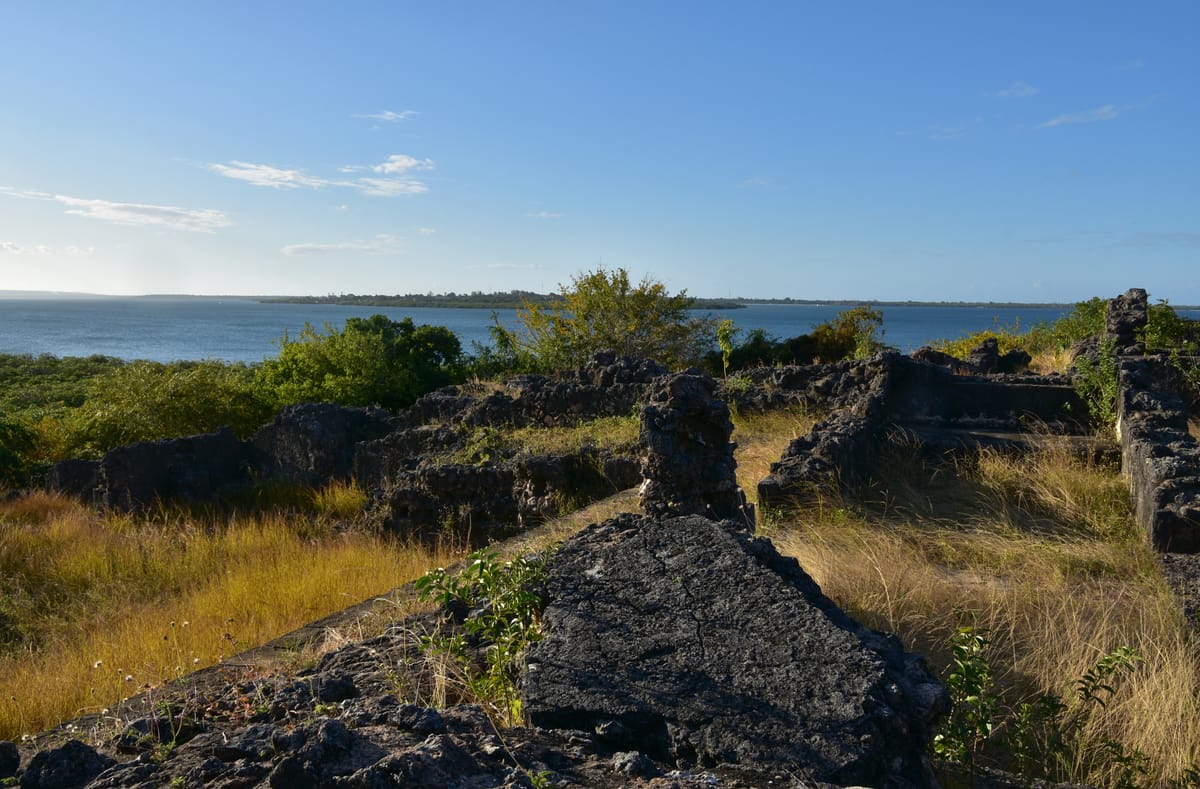 HIGH WONDER
Husuni Kubwa
On a small coral island with no quarryable rock but the reef itself, Swahili masons raised a hundred-room palace roofed almost entirely in domes and vaults — a building type with no local precedent — and then walked away from it before the plaster was finished. How did they learn to vault in coral, and why was the largest stone building in sub-Saharan Africa abandoned almost as soon as it was occupied?
c. 1310-1333 CE (early 14th century) · Kilwa Kisiwani, Lindi Region, TanzaniaAdded September 2026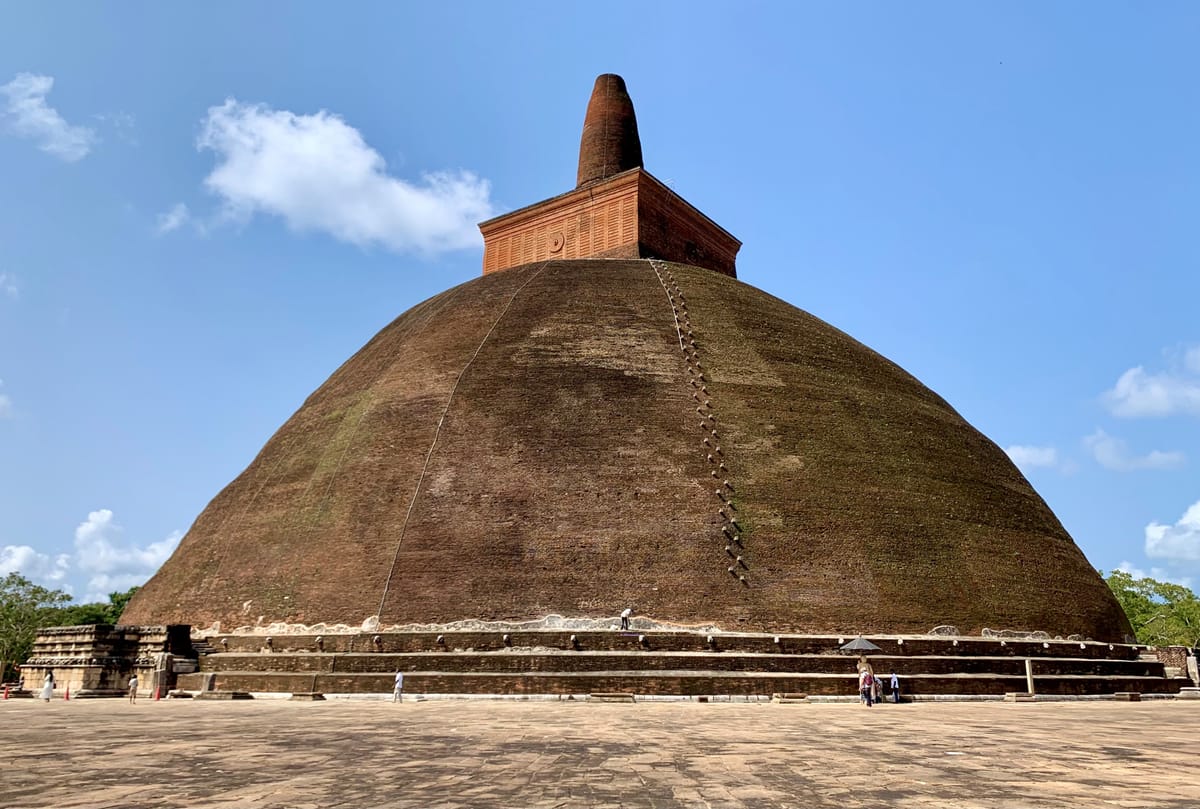 HIGH WONDER
Jetavanaramaya
How did 3rd-century Sri Lankan builders stack tens of millions of hand-made bricks into a 122-metre solid dome — the largest brick structure ever raised — and get the foundation, the brick chemistry and the dome's profile right enough that it is still standing 1,700 years later?
c. 273-332 CE (Anuradhapura period; begun by King Mahasena) · Anuradhapura, North Central Province, Sri LankaAdded September 2026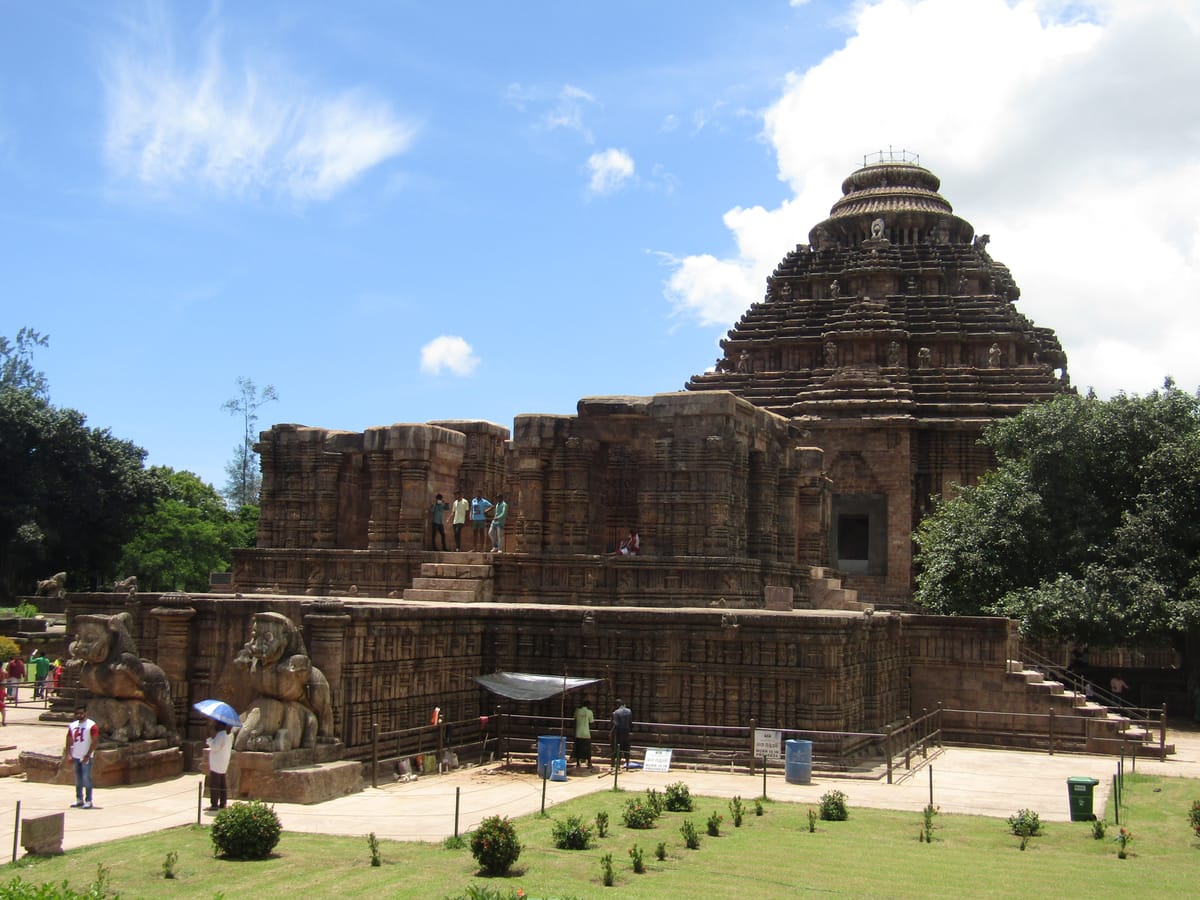 HIGH WONDER
Konark Sun Temple
How did thirteenth-century Eastern Ganga builders raise a roughly 70-metre stone tower on the sandy Odisha coast — binding colossal slabs with forged wrought-iron beams and topping it with an enormous crowning stone — and why did that great sanctuary tower collapse while the porch beside it still stands?
c. 1250 CE (mid-13th century), Eastern Ganga dynasty (Narasimhadeva I) · Konark, Odisha, IndiaAdded July 2026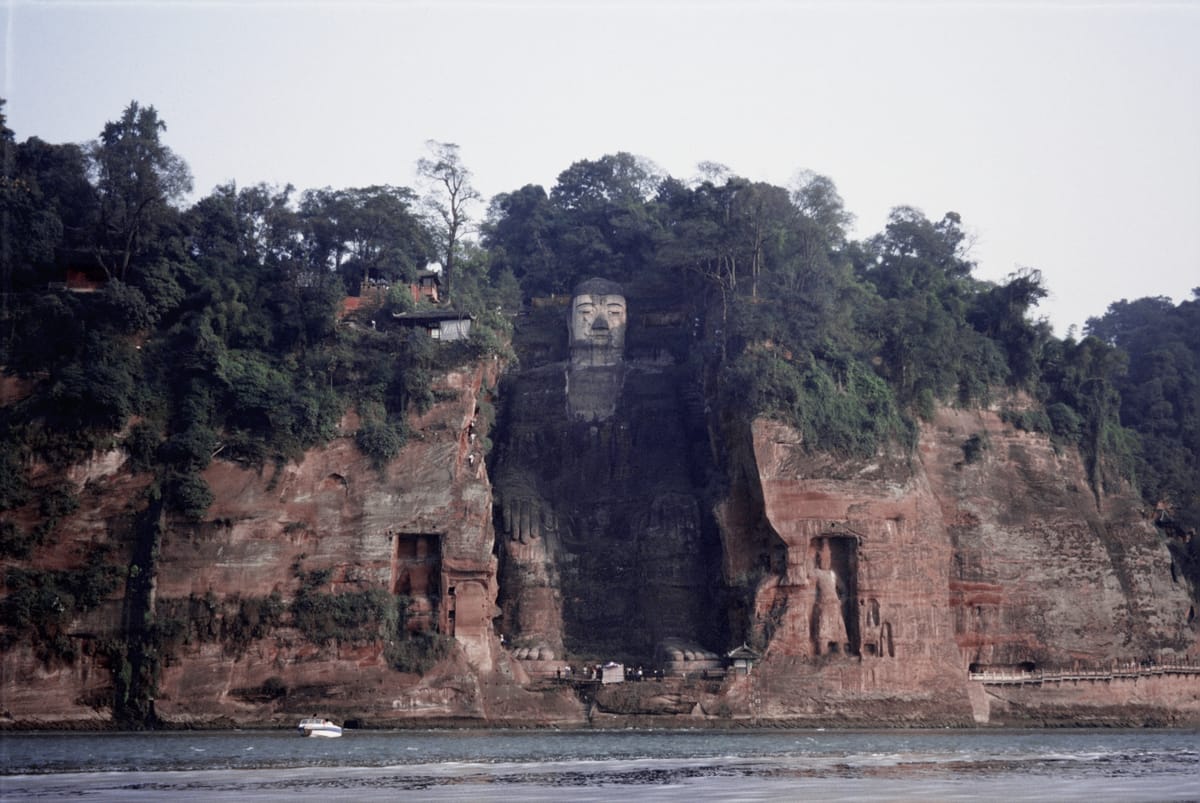
Leshan Giant Buddha
How did Tang-dynasty workers carve a coherent, 71-metre seated Buddha directly into a river cliff over some ninety years and three generations, and engineer a hidden drainage system that has kept the soft sandstone standing for more than 1,200 years?
713–803 CE, Tang dynasty · Leshan, Sichuan, ChinaAdded July 2026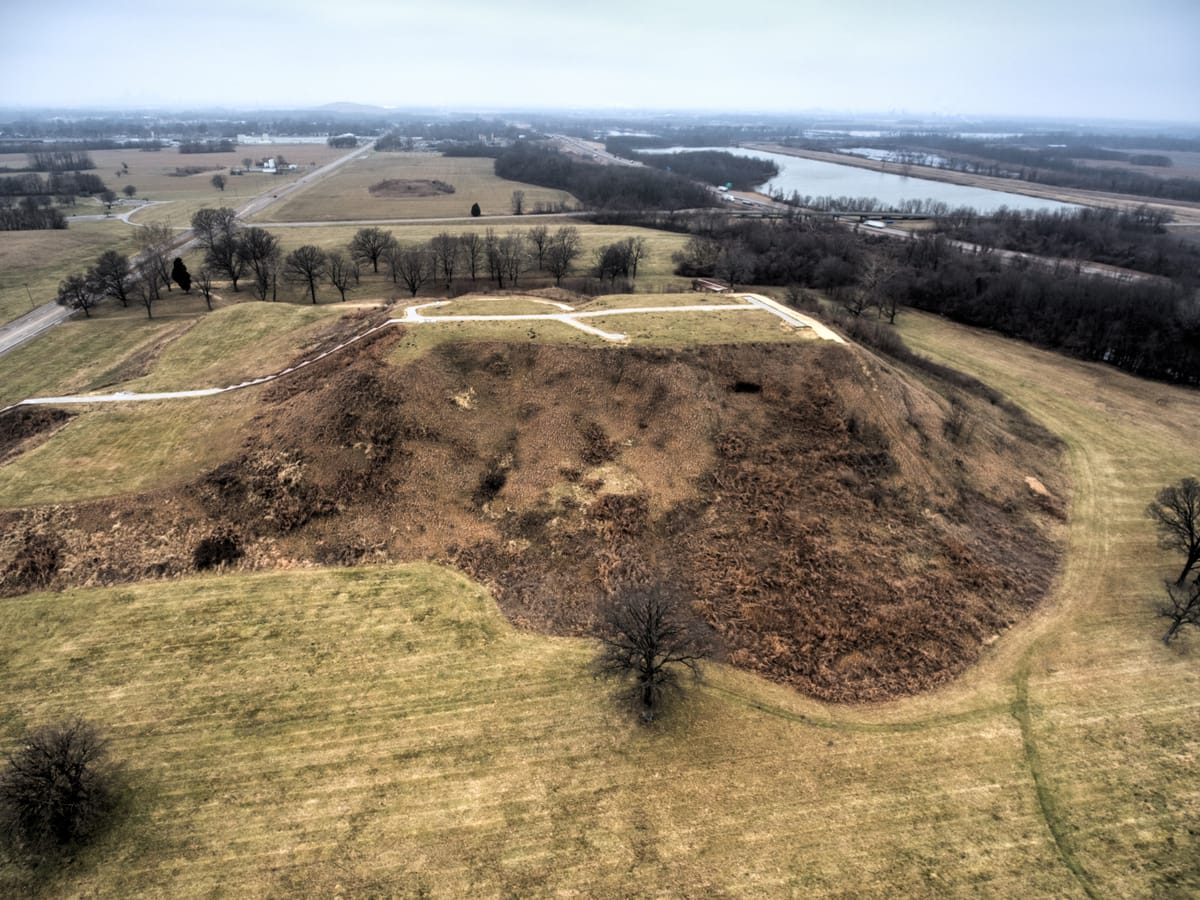
Monks Mound
How did a Native American society without draft animals, metal tools, or the wheel organize the labor to raise 22 million cubic feet of earth, basket by basket, into a stable 30-meter platform on soft floodplain soil — and why, at the height of its power, did the city built around it empty out?
c. 900-1200 CE, main construction c. 1050-1200 CE · Cahokia Mounds, near Collinsville, Illinois, United StatesAdded July 2026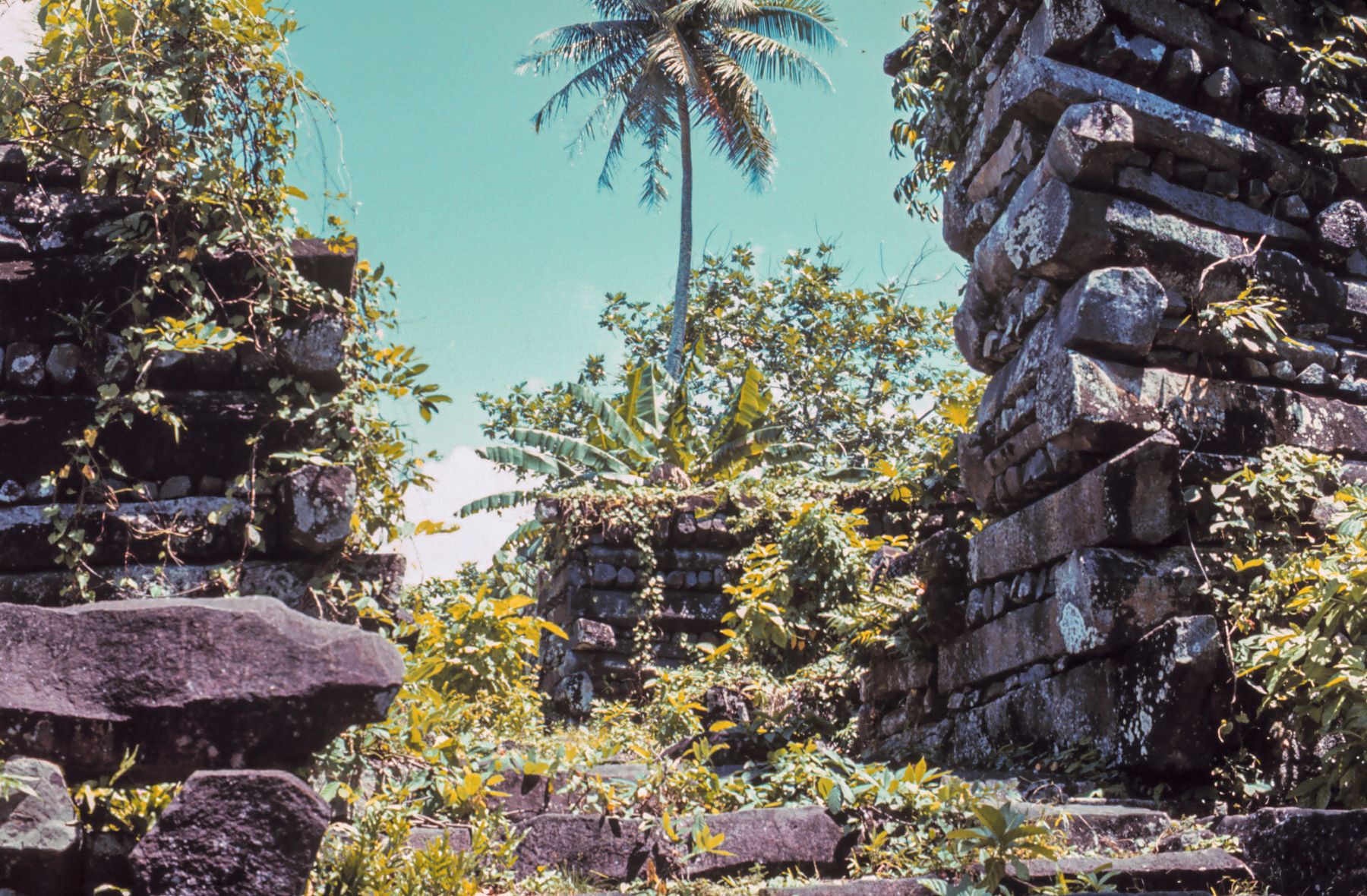 MUST READ
Nan Madol
With no draft animals, no metal tools, and no wheel, how did a Pacific island society quarry, move, and stack tens of thousands of multi-tonne basalt columns across open reef water to build a city of nearly 100 artificial islets — and why, after roughly four centuries as the seat of Saudeleur power, was it abandoned?
c. 12th-13th century CE monumental construction · Temwen Island, Pohnpei, Federated States of MicronesiaAdded July 2026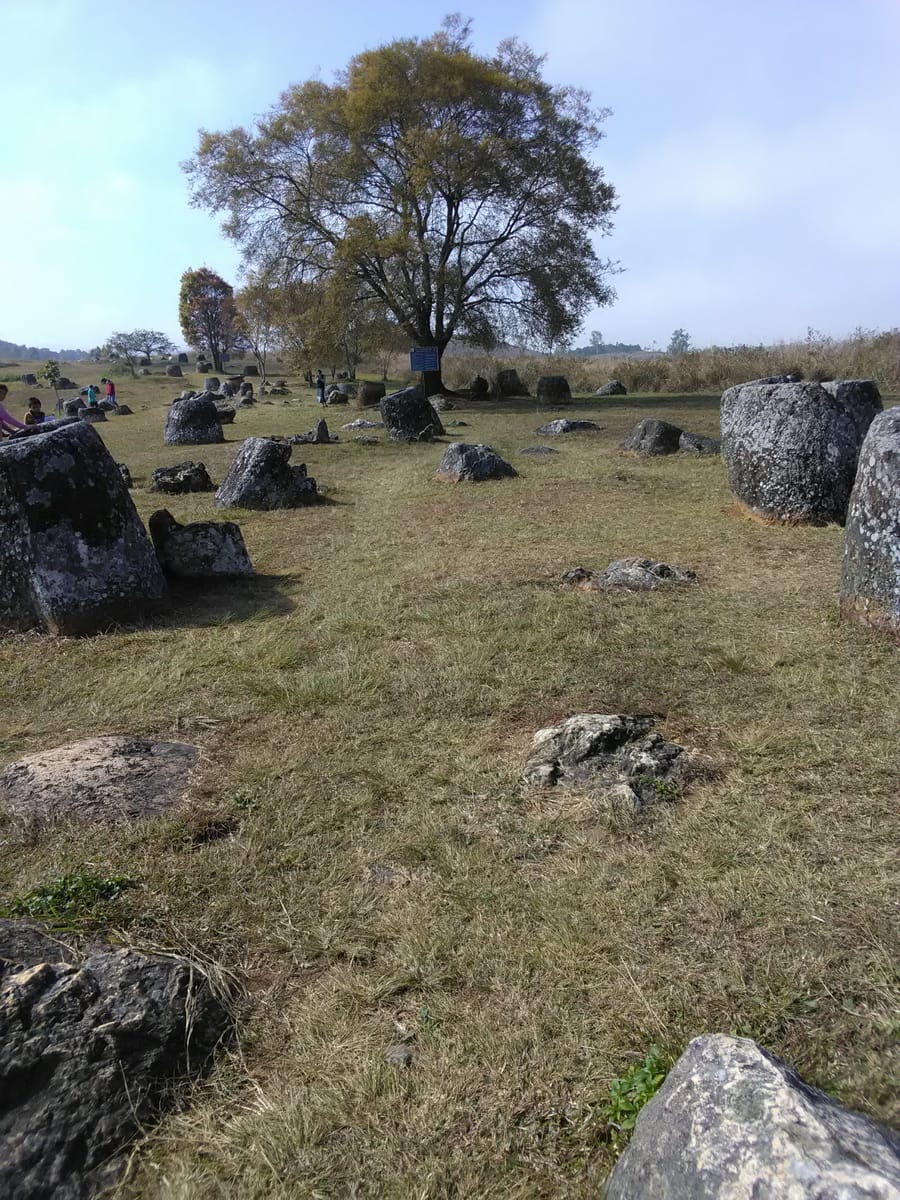 HIGH WONDER
Plain of Jars
Who carved thousands of stone jars — the largest several tonnes each — from quarries kilometres away, moved and set them across some ninety hilltop sites, and used them in a mortuary tradition, all while leaving behind no written record and no certain descendants?
c. 500 BCE – 500 CE, Iron Age (some jars possibly earlier) · Xieng Khouang Plateau, LaosAdded July 2026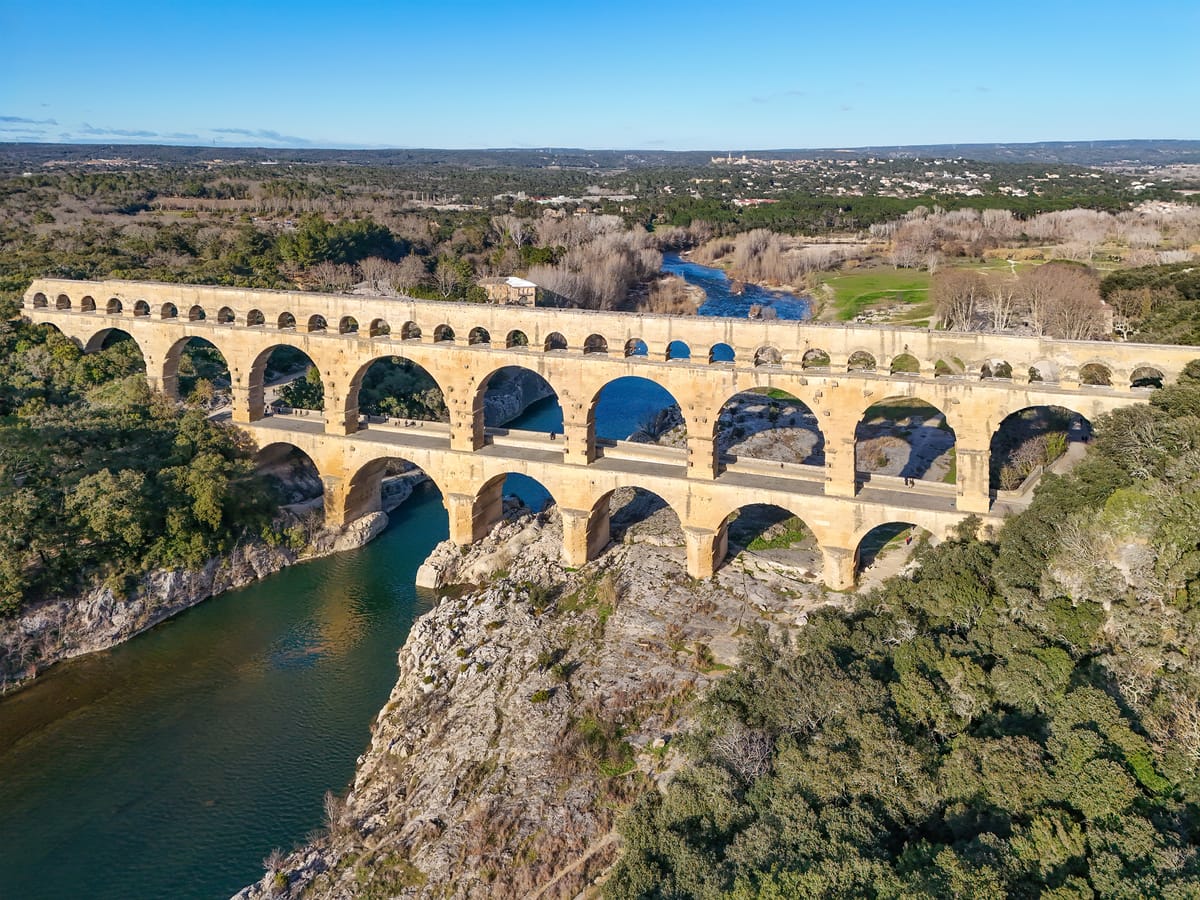 HIGH WONDER
The Pont du Gard
How did Roman surveyors, working with a water-level trough and a sighting frame, lay out a 50-kilometre water channel that falls only about a dozen metres end to end — and then carry it across a river gorge on three tiers of dry-laid stone that drop just 2.5 centimetres from one bank to the other?
mid-1st century CE (long attributed instead to c. 19 BCE) · Vers-Pont-du-Gard, Gard, Occitanie, FranceAdded September 2026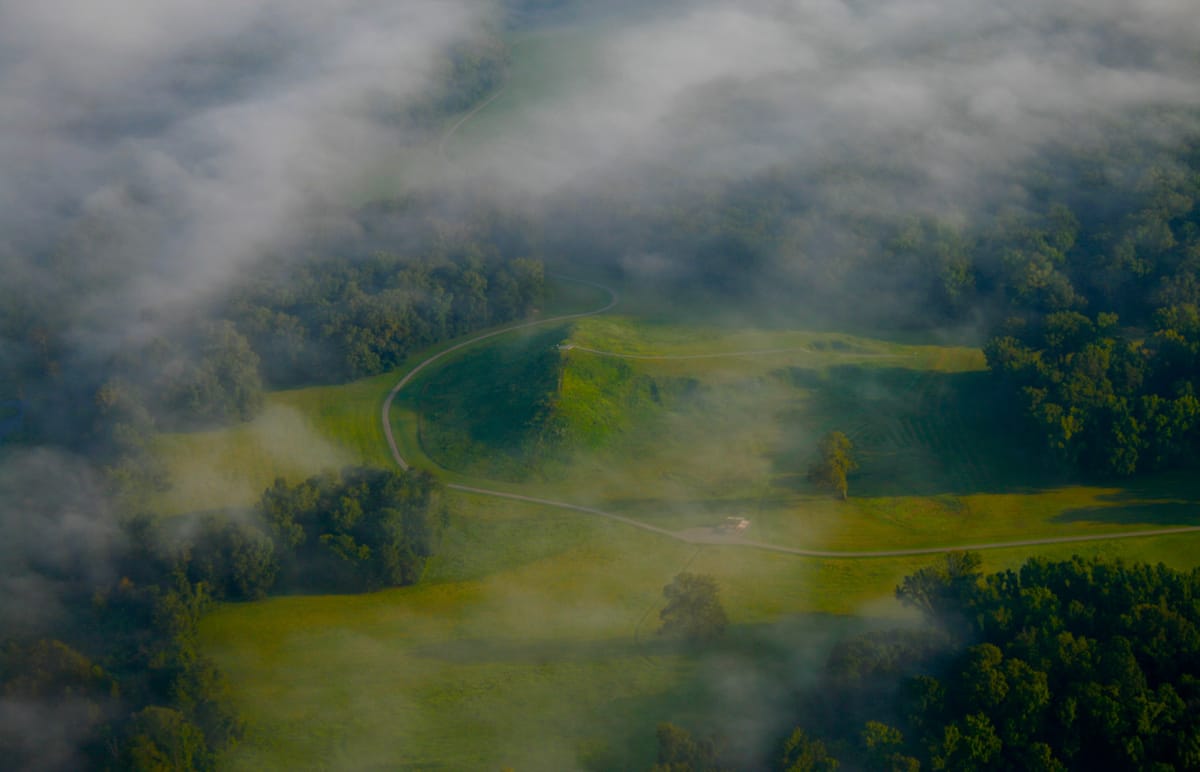 HIGH WONDER
Poverty Point
How did a mobile hunter-gatherer society with no farming, no metal tools, no wheel, no draft animals, and no sign of kings or a coercive state organize enough people to move roughly a million cubic yards of earth, basket by basket, into the largest earthworks in North America — raising its greatest mound in under three months — and what was the whole complex for?
c. 1700-1100 BCE, Late Archaic period · Poverty Point, near Epps, West Carroll Parish, Louisiana, United StatesAdded July 2026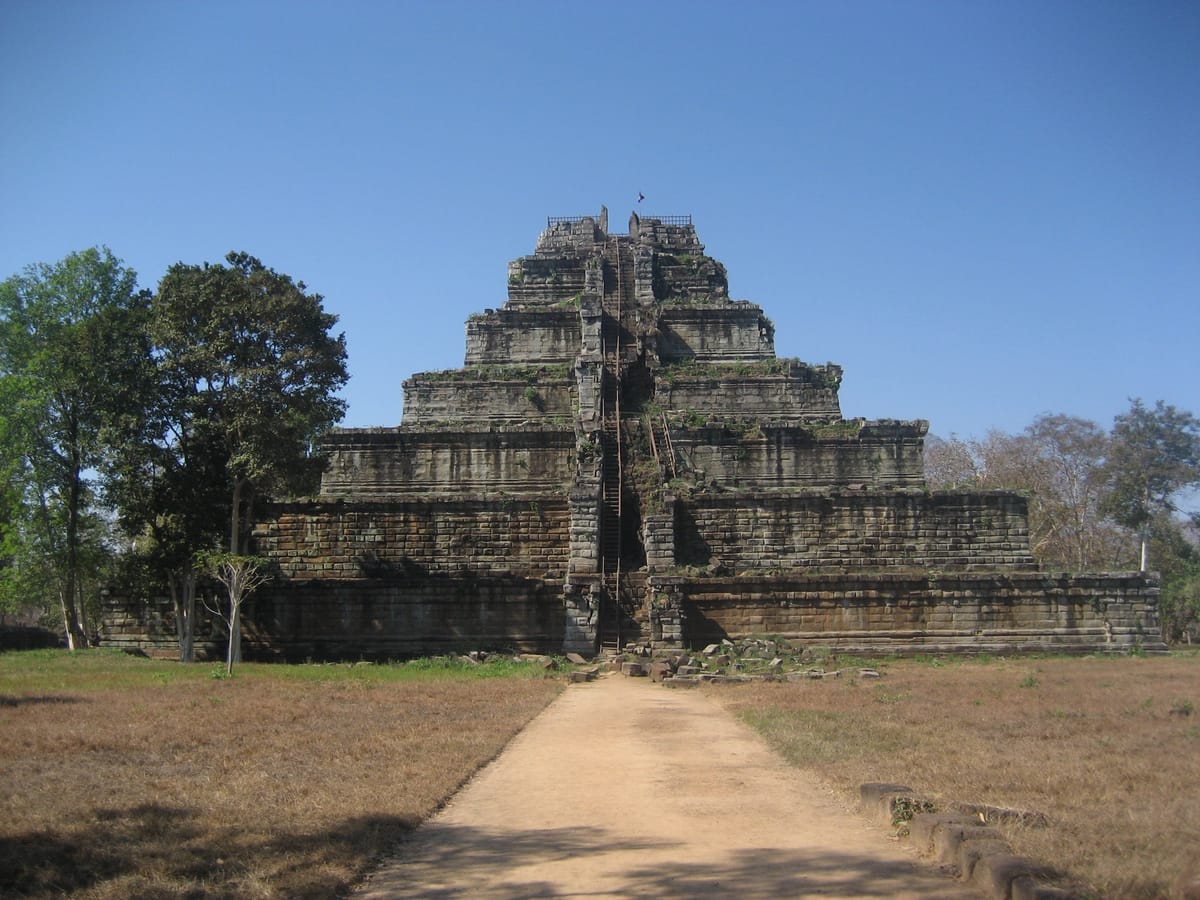 HIGH WONDER
Prasat Thom, Koh Ker
How did a usurper king raise a 36-meter, seven-tiered stone pyramid and more than 180 other monuments at a remote forest capital in well under two decades, and what happened to the giant lingam that once crowned its summit?
928-944 CE (Koh Ker's brief period as Khmer capital) · Koh Ker, Preah Vihear Province, CambodiaAdded July 2026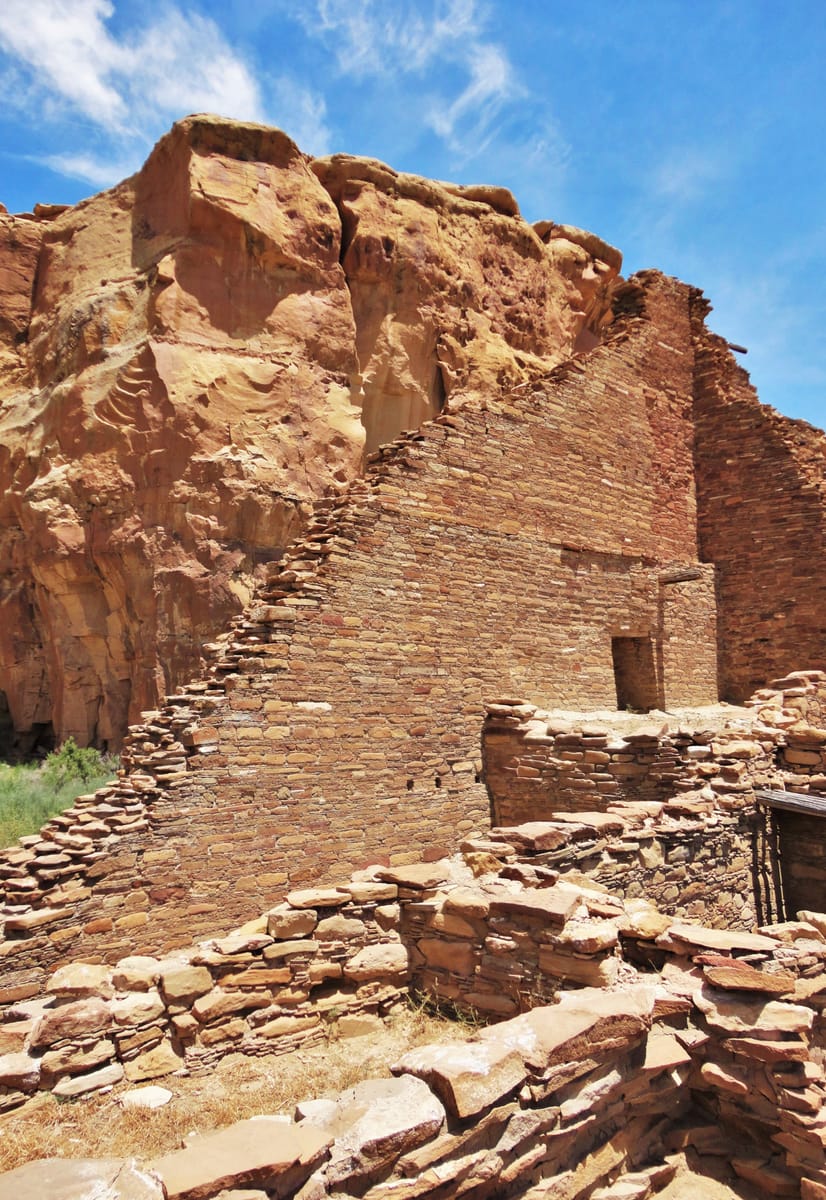 HIGH WONDER
Pueblo Bonito
How did Ancestral Puebloans, working without draft animals, the wheel, or metal tools, plan and raise a roughly 800-room, four-to-five-story great house — and haul in tens of thousands of conifer logs from mountains up to 70 miles away — and what, precisely, was Pueblo Bonito for?
c. 850-1150 CE (Ancestral Puebloan) · Chaco Culture National Historical Park, New Mexico, United StatesAdded July 2026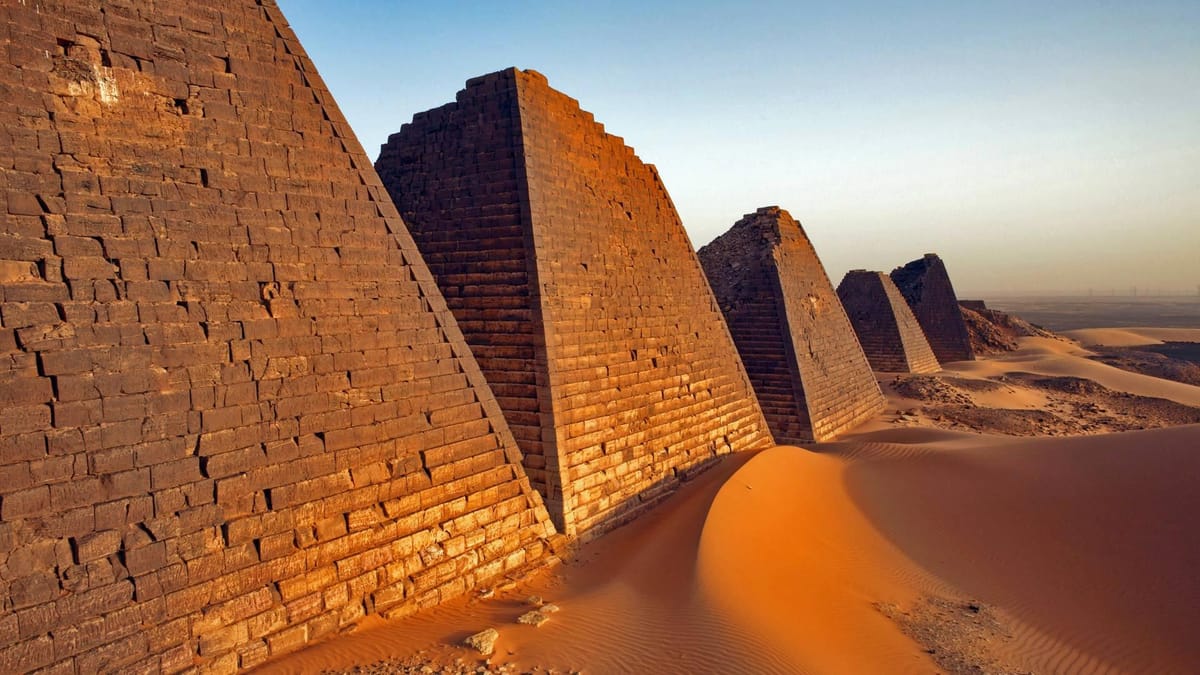
Pyramids of Meroë
A powerful, literate African kingdom raised nearly 200 steep-sided pyramids in the Nubian desert over six centuries — so why does this vast royal necropolis remain so little known next to Egypt's, and what does it really take to understand how the Kushites built, and why they built, on this scale?
c. 300 BCE - 350 CE · Meroë (Bagrawiyah), River Nile State, SudanAdded July 2026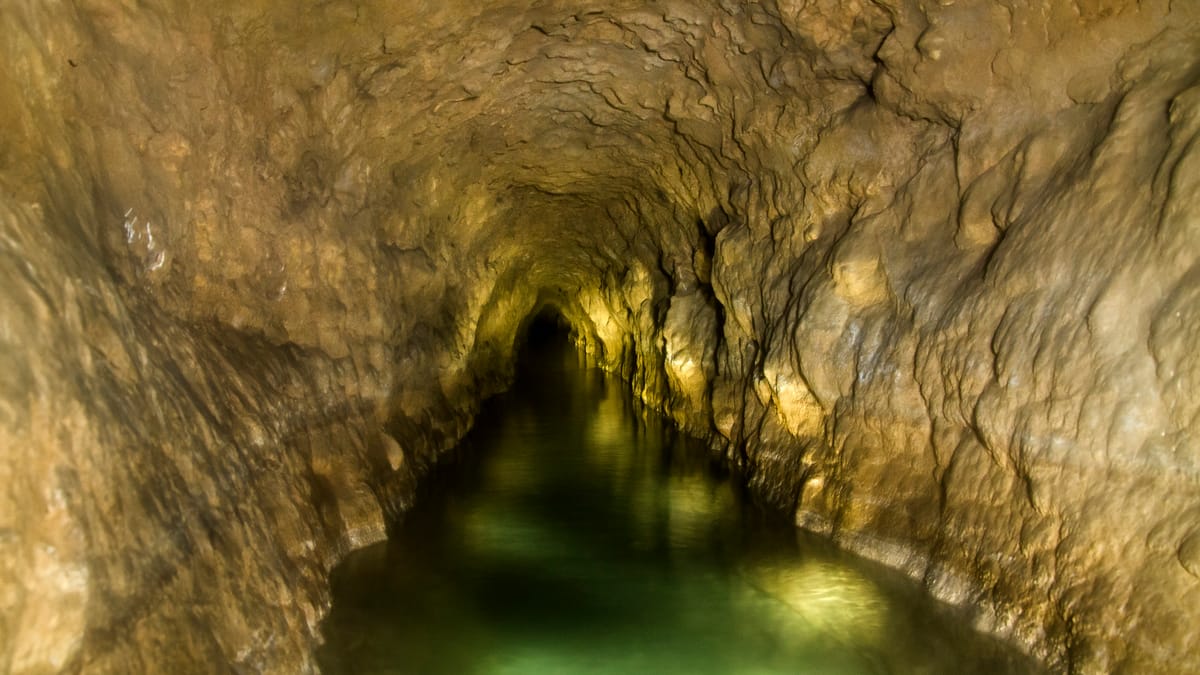 HIGH WONDER
The Qanats of Gonabad
How did Iron Age well-diggers, working by lamplight with hand picks and a rope windlass, sink a shaft roughly 300 metres into the desert and then drive a tunnel some 33 kilometres back to the surface — holding a gradient of a fraction of a percent the whole way, underground, with no way to see where they were going?
c. 700-500 BCE, Achaemenid era (traditionally attributed to a legendary king centuries earlier) · Gonabad, Razavi Khorasan Province, IranAdded September 2026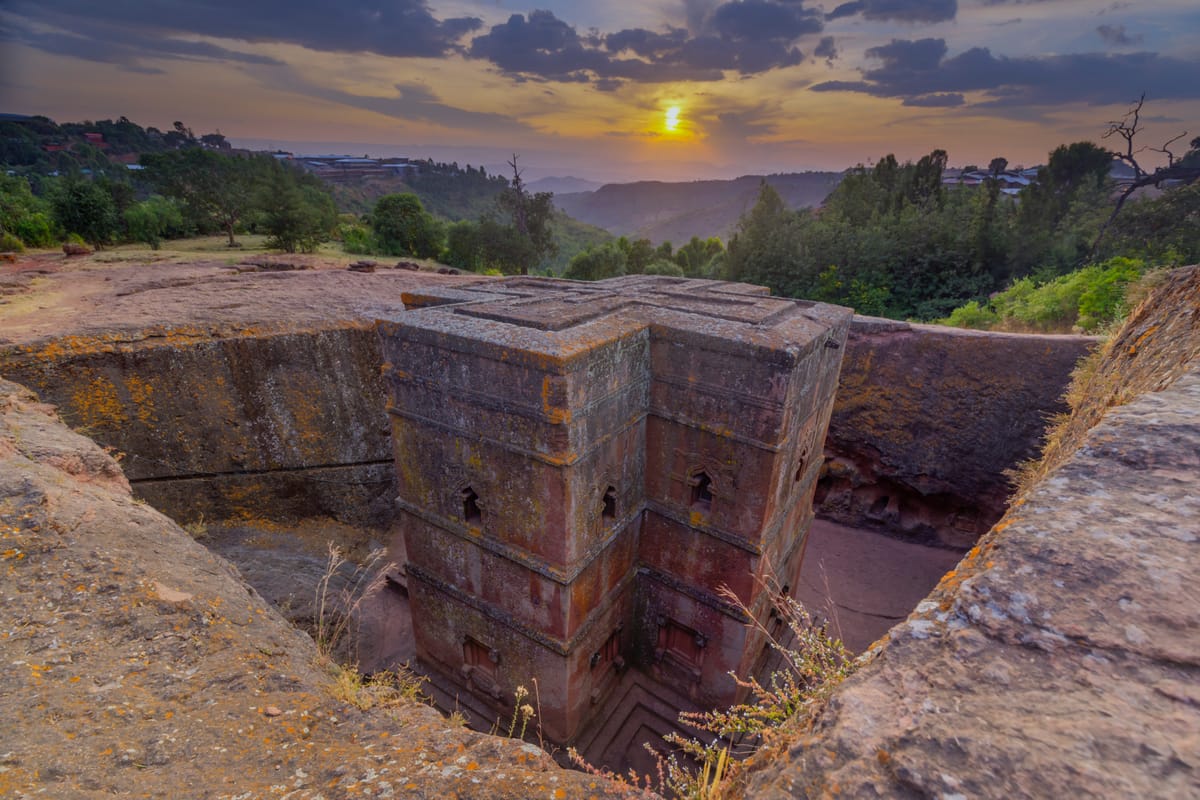 MUST READ
Rock-Hewn Churches of Lalibela
Eleven churches were not built up from stone but carved downward and inward out of a single mass of living volcanic rock, top-down, with no scaffolding and apparently no room to correct a mistake once cutting began — so how was a project of this scale planned, sequenced, and executed by hand, and why does local tradition still insist that angels finished the work by night?
Late 12th - early 13th century CE, reign of King Gebre Meskel Lalibela · Lalibela, Amhara Region, EthiopiaAdded July 2026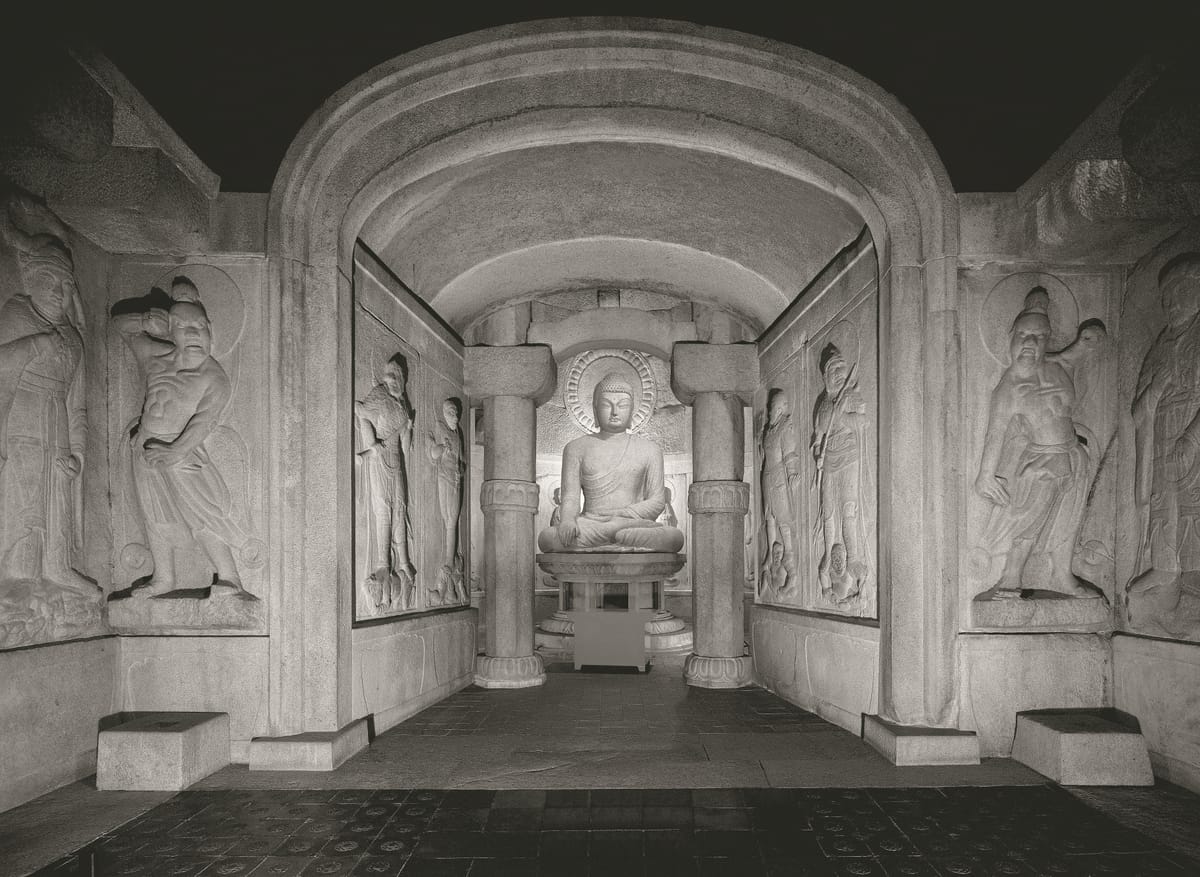 HIGH WONDER
Seokguram Grotto
Korea has no soft cliffs to hollow out, so Silla builders did the opposite: they assembled a cave from scratch, fitting hundreds of cut granite blocks into a mortarless dome on a mountain summit and burying it under earth. How did eighth-century masons make dry-laid stone shed rain and stay dry inside for twelve centuries — when every modern attempt to reproduce that balance, first in reinforced concrete and then in machinery, made it wetter?
8th century CE (Unified Silla) · Mount Toham, Gyeongju, North Gyeongsang Province, South KoreaAdded September 2026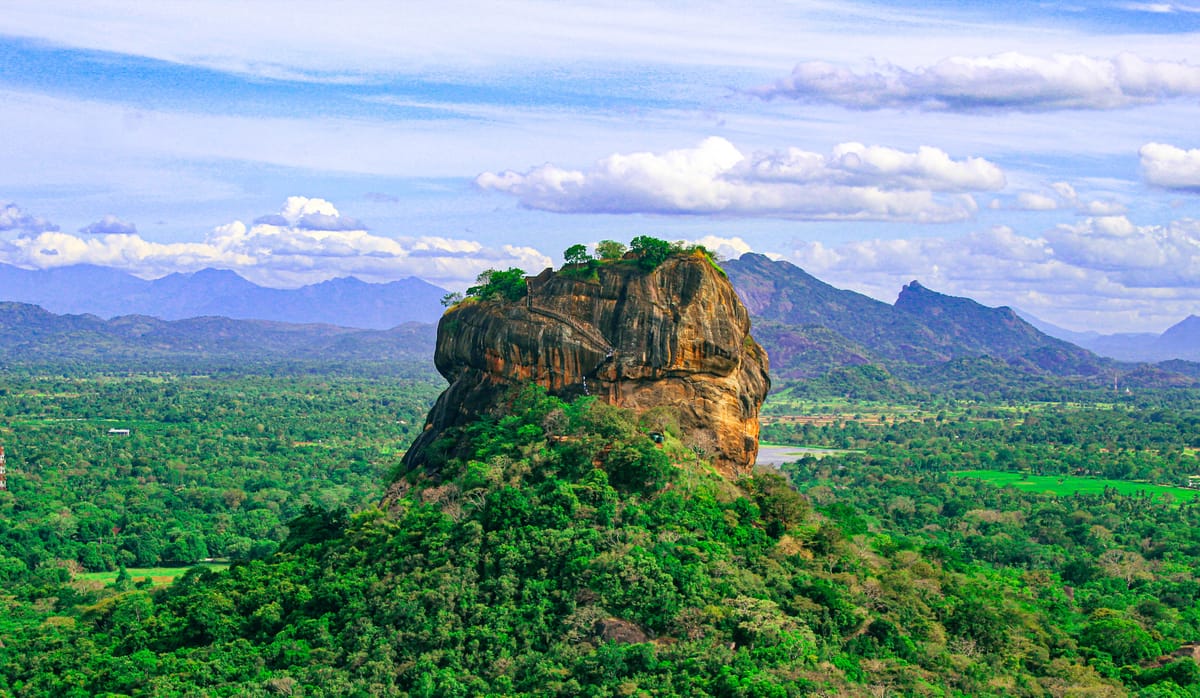 HIGH WONDER
Sigiriya
In under two decades, a usurper king turned a sheer 180-metre granite monolith into a fortified palace with rock-cut summit cisterns and gravity-fed garden fountains that still spring to life in the monsoon today — how was a royal water-supply system this precise engineered, and hauled into place, at that height and on that timeline?
c. 477-495 CE (reign of King Kashyapa I) · Sigiriya, Central Province, Sri LankaAdded July 2026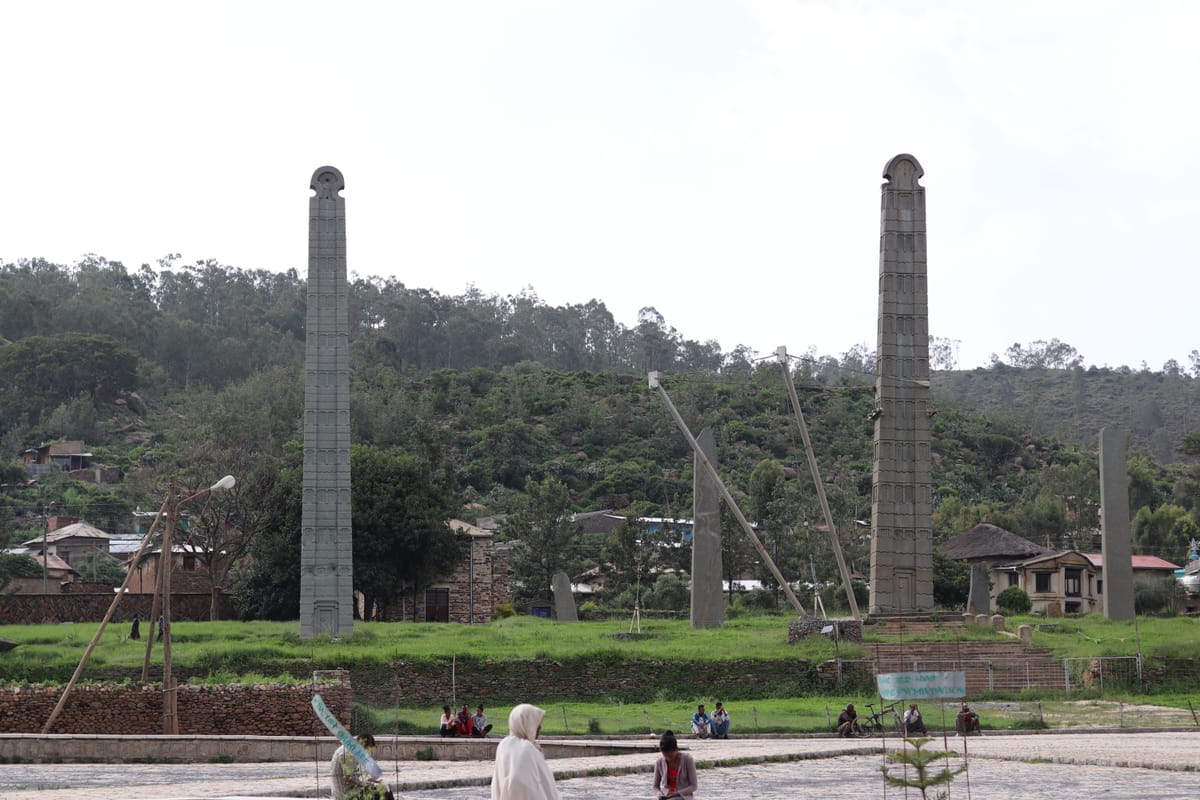 HIGH WONDER
Stelae of Aksum
How did Aksumite workers quarry, carve, transport, and raise single granite-like monoliths of up to 500-plus tonnes — including the Great Stele, the largest single stone humans are known to have ever attempted to stand upright — using only muscle, timber, and rope?
3rd–4th century CE, Kingdom of Aksum · Axum (Aksum), Tigray, EthiopiaAdded July 2026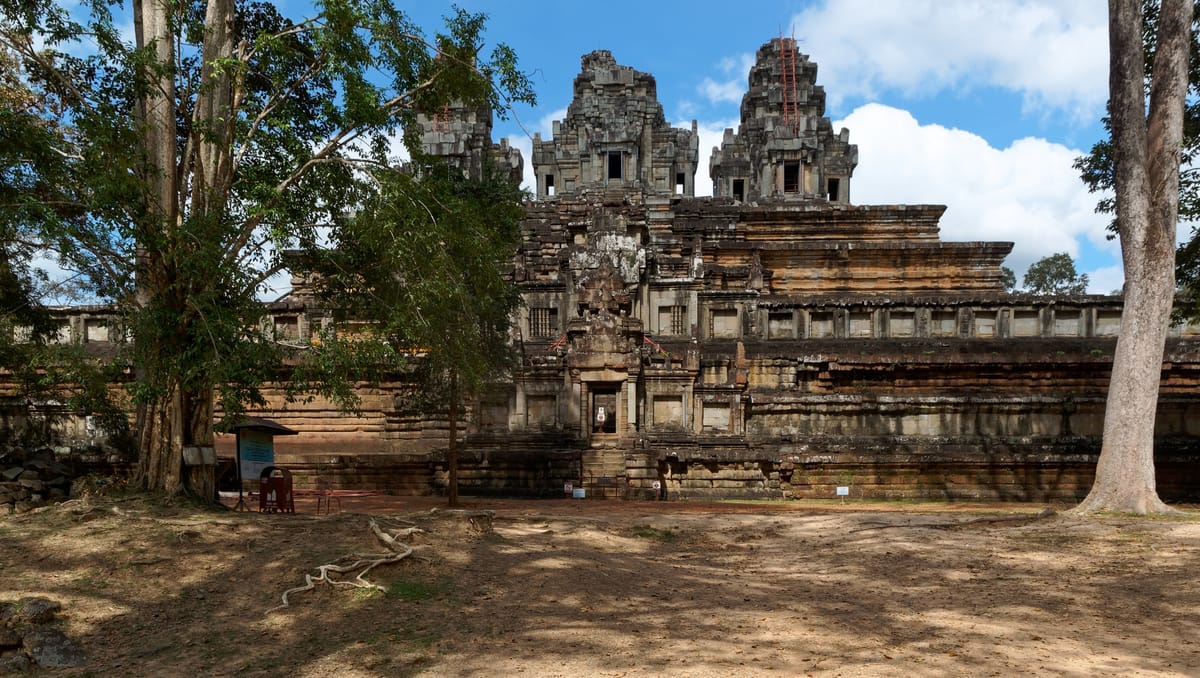
Ta Keo
Why did the Khmer state abandon its own state temple mid-construction, leaving a five-tier sandstone pyramid permanently bare — and what does that unfinished shell reveal about how an Angkorian temple-mountain was actually assembled, block by block, before the carving ever began?
late 10th century CE · Angkor, Siem Reap Province, CambodiaAdded July 2026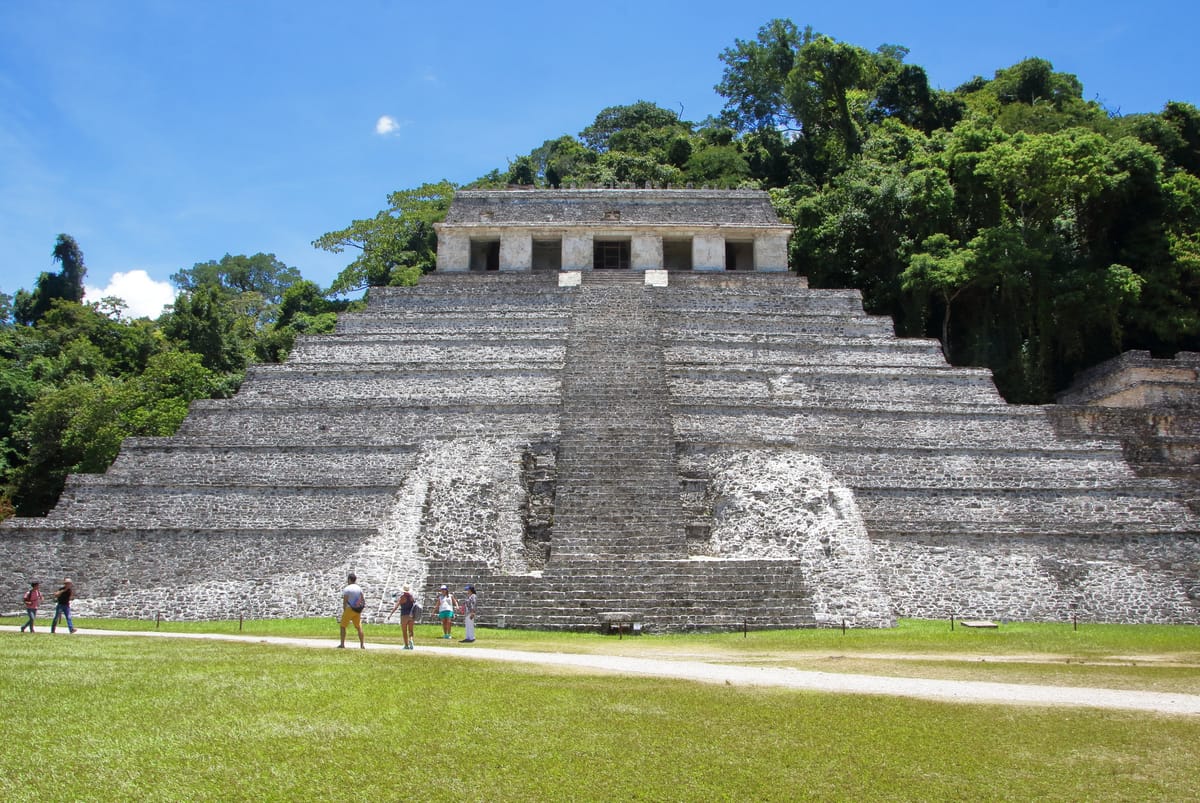 HIGH WONDER
The Temple of the Inscriptions, Palenque
How do you build a pyramid around a tomb that has to be sealed forever — placing a multi-tonne carved lid inside a vaulted crypt before there is any pyramid to carry it — and then run a stone tube from the coffin to the temple floor above?
begun in the last decade of Pakal's life and completed shortly after 683 CE by his son Kʼinich Kan Bahlam II · Palenque, Chiapas, MexicoAdded August 2026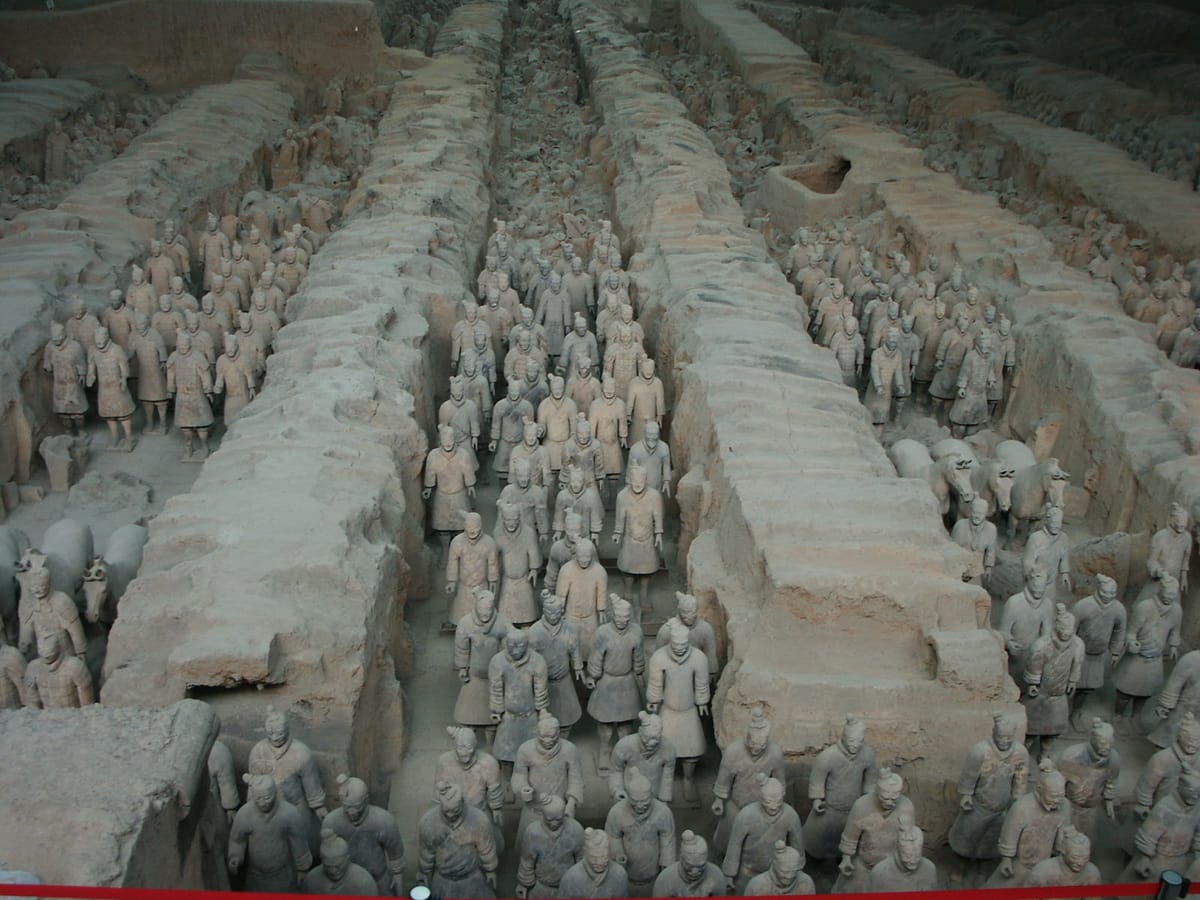
Terracotta Army
How did Qin-dynasty workshops mass-produce roughly 8,000 life-sized clay soldiers — each with an individual face — some 2,200 years ago, using a modular assembly line of moulded torsos, heads and limbs that were then hand-finished, kiln-fired and painted to guard an emperor's still-unopened tomb?
c. 246–208 BCE, Qin dynasty · Lintong, Xi'an, Shaanxi, ChinaAdded July 2026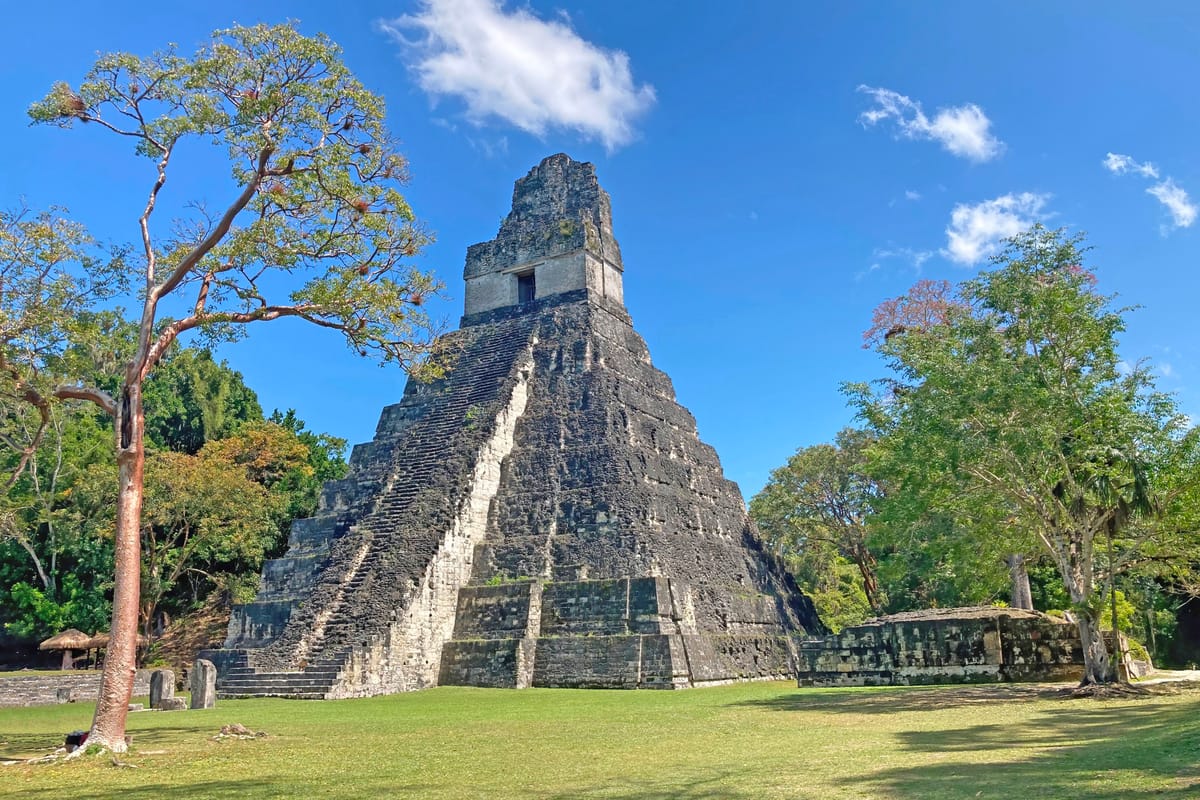
Tikal Temple I
How do you bury a king with a 3.9-kilogram jade necklace and a bundle of inscribed bones at the bottom of a hole, then raise fifty-five metres of limestone on top of him — and cut the doorway lintels from a wood that is still holding thirteen centuries later?
c. 732 CE (Late Classic), raised after the death of Jasaw Chan Kʼawiil I in 734 and completed under his son · Tikal, Petén Department, GuatemalaAdded August 2026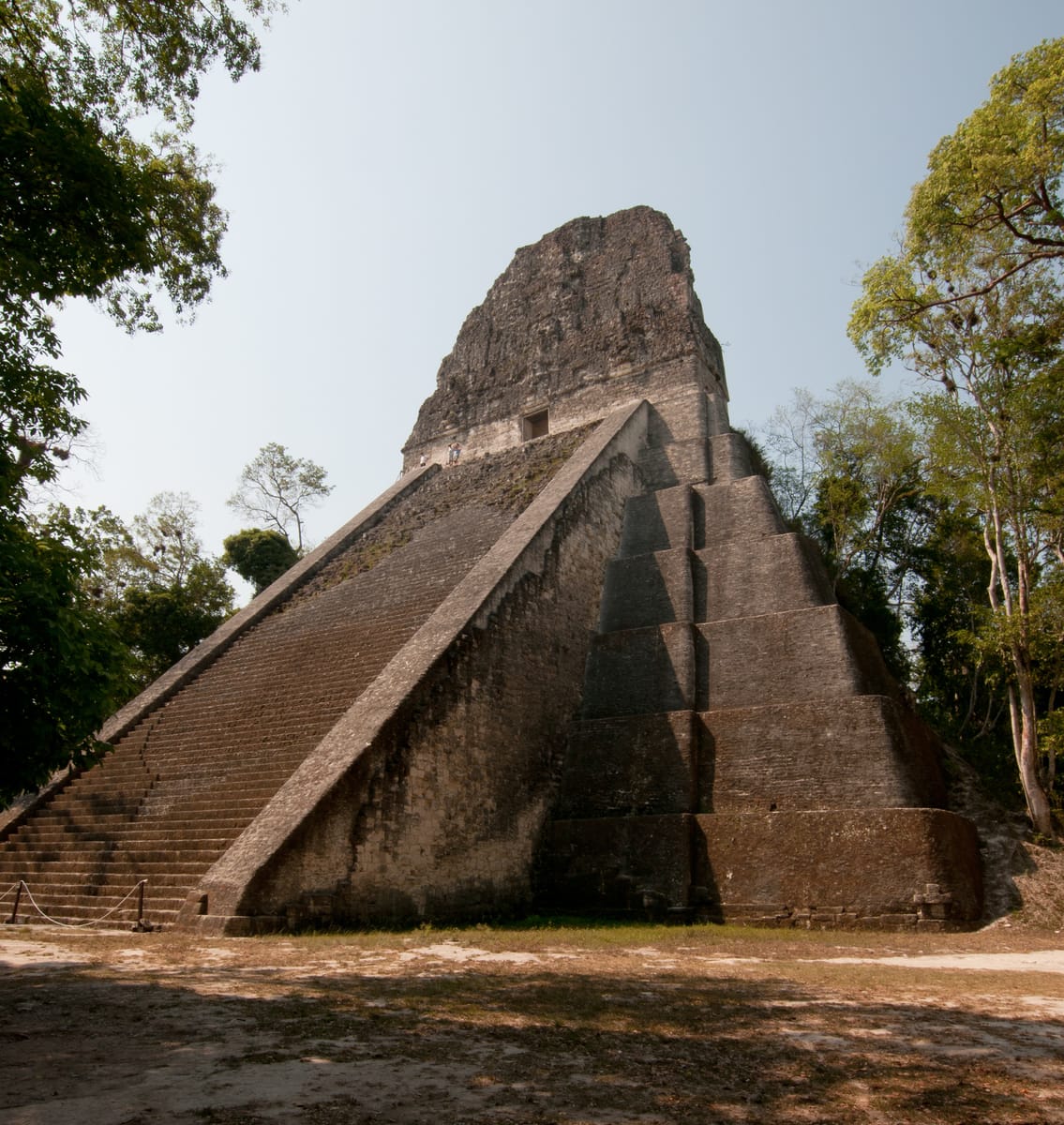 HIGH WONDER
Tikal Temple V
Why raise 57 metres of solid limestone — the second-tallest thing at Tikal — to carry a summit room less than a metre deep, sealed behind a rear wall nearly five metres thick?
c. 650-700 CE (Late Classic); radiocarbon centres on c. 700 CE, while associated ceramics point to the reign of Nuun Ujol Chaak in the second half of the 7th century · Tikal, Petén Department, GuatemalaAdded August 2026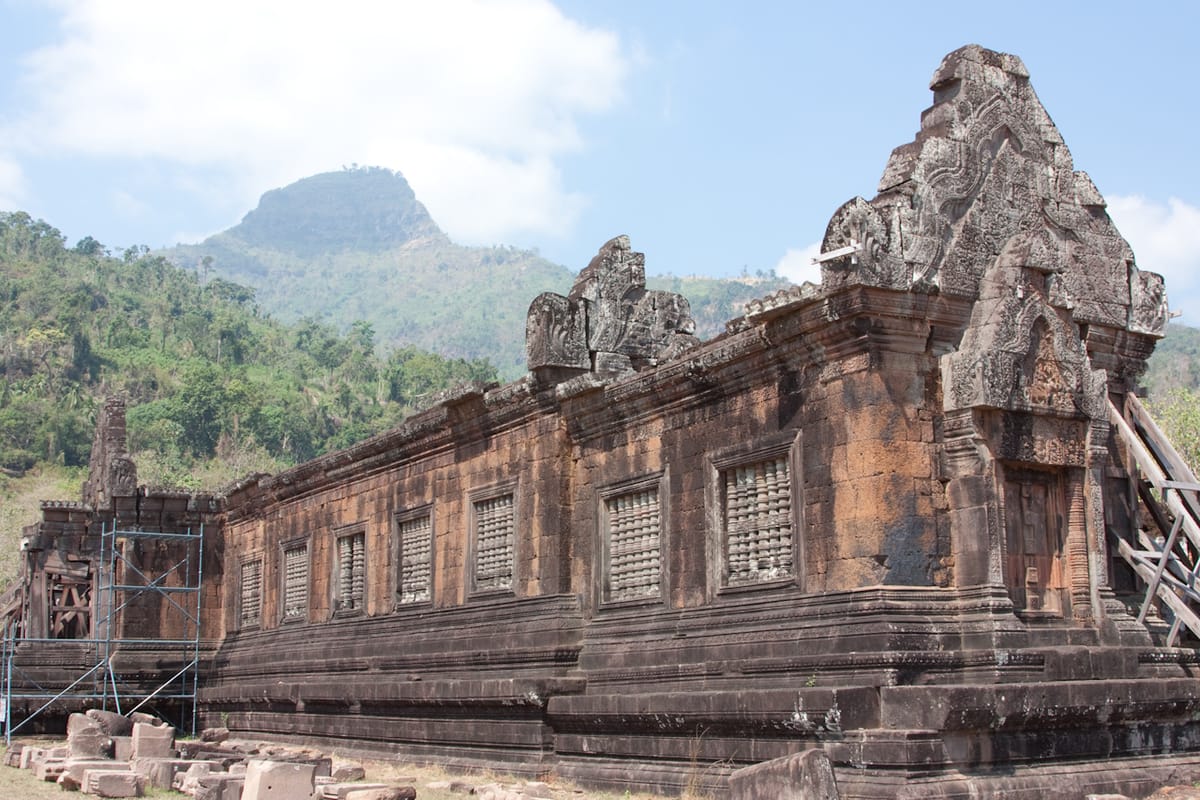 HIGH WONDER
Vat Phou (Wat Phu)
How did builders spanning the Chenla kingdom to the Khmer Empire terrace a sandstone sanctuary roughly a mile up a steep, holy mountainside and pipe a natural spring through stone conduits to bathe a sacred linga, laying out the whole axis centuries before the same sacred-mountain cosmology reached its fullest expression at Angkor?
5th-13th century CE (Chenla-era origins; standing sandstone temple mainly 11th-13th c.) · Champasak, Champasak Province, LaosAdded July 2026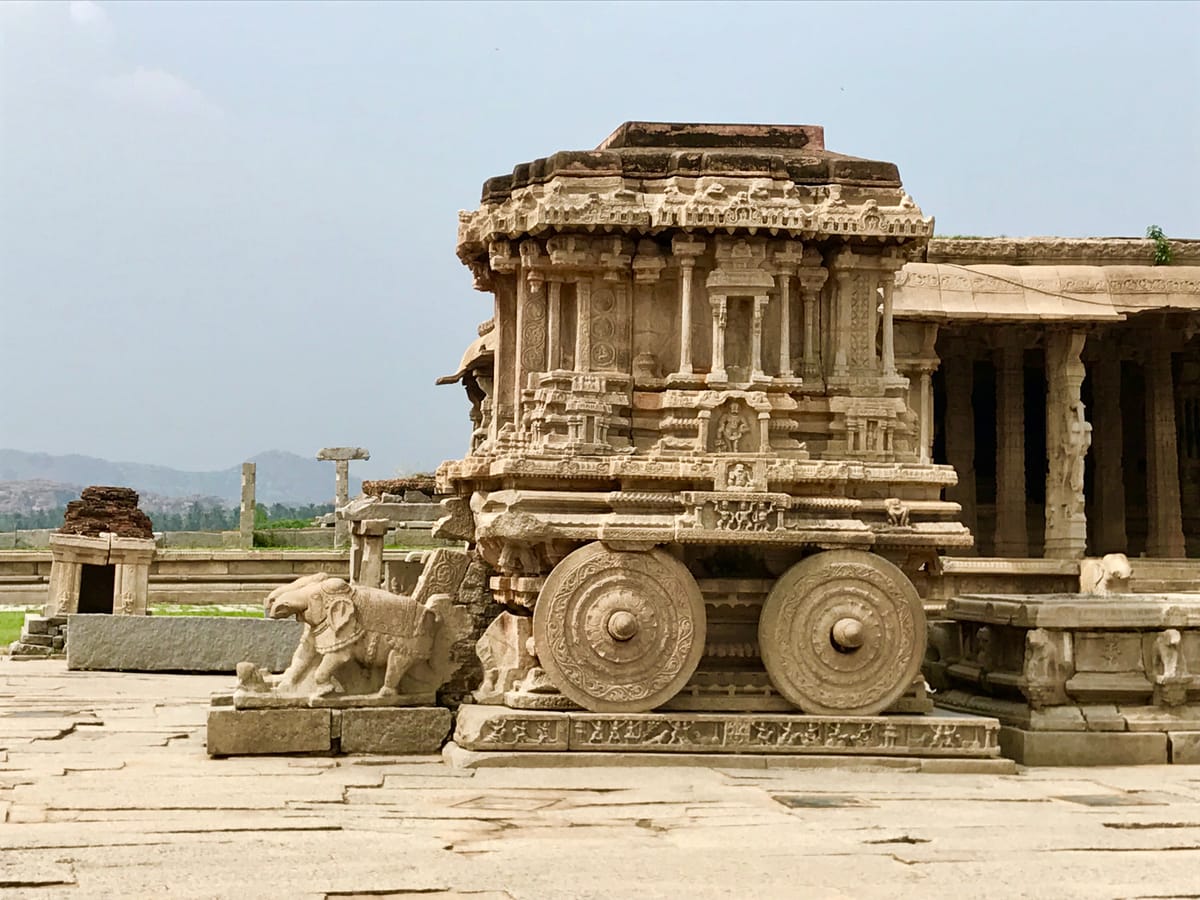
Vittala Temple (Hampi)
How did Vijayanagara stonemasons carve dozens of slender granite pillars — each cut from a single block — so precisely that they ring with distinct musical notes when struck, and assemble a 'stone chariot' from separate granite slabs with joints so fine the whole appears cut from a single rock, on wheels that once turned on stone axles?
15th–16th century CE, Vijayanagara Empire (notably under Devaraya II and Krishnadevaraya) · Hampi, Karnataka, IndiaAdded July 2026