Tagged “megalithic”
 MUST READ
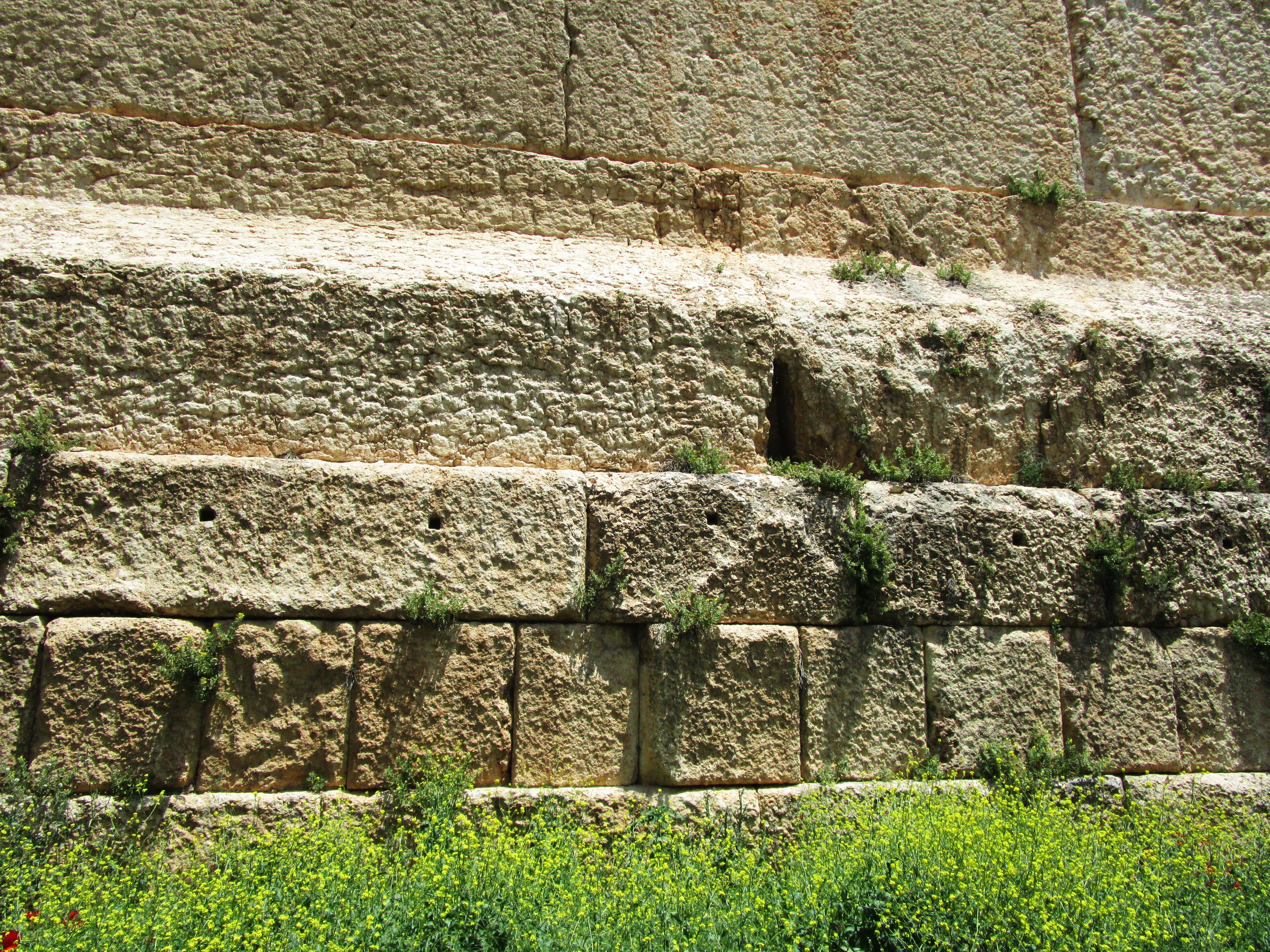
The Baalbek Trilithon
How did Roman builders quarry, move, and set three roughly 800-tonne stone blocks into a temple podium wall with such precision, and why did they cut blocks so far beyond what the structure needed?
1st century CE (Roman, atop an earlier tell) · Baalbek, Bekaa Valley, LebanonAdded July 2026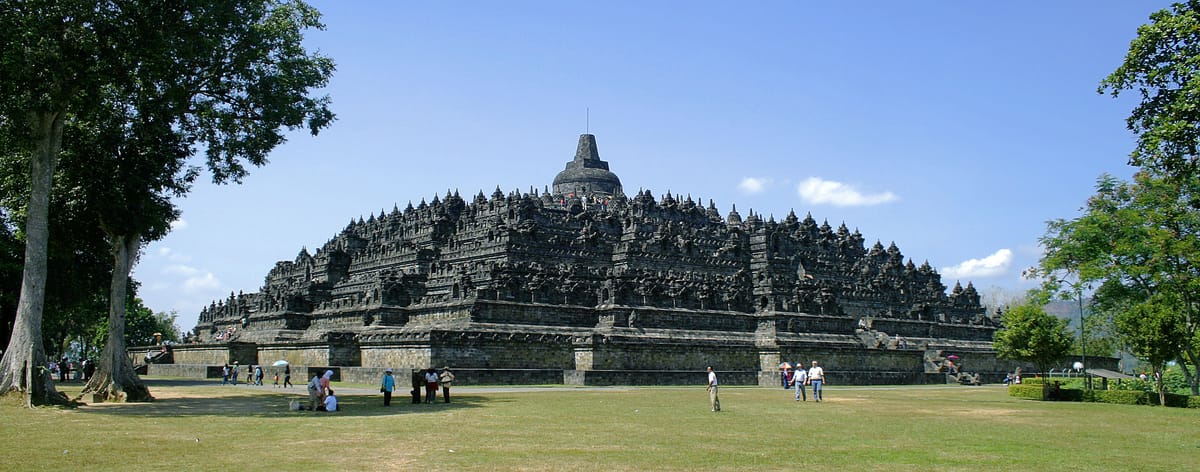 HIGH WONDER
Borobudur
How did an 8th-century Javanese kingdom design, engineer, and raise a stone mandala of this scale and precision, and why was it later abandoned and buried for centuries?
c. 780-830 CE (Sailendra dynasty) · Magelang, Central Java, IndonesiaAdded July 2026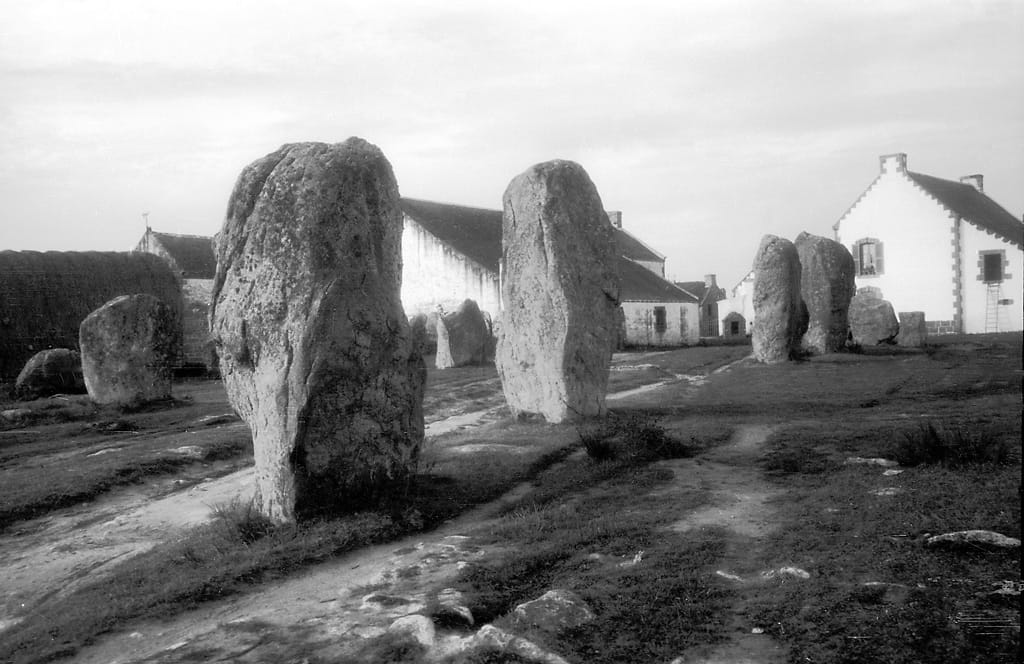 HIGH WONDER
Carnac Stones
Why did a pre-literate Neolithic society raise more than 3,000 stones into converging rows stretching for kilometers near Carnac, and was the plan ceremonial, calendrical, territorial, or all three at once?
c. 4500-3300 BCE (Neolithic) · Carnac, Brittany, FranceAdded July 2026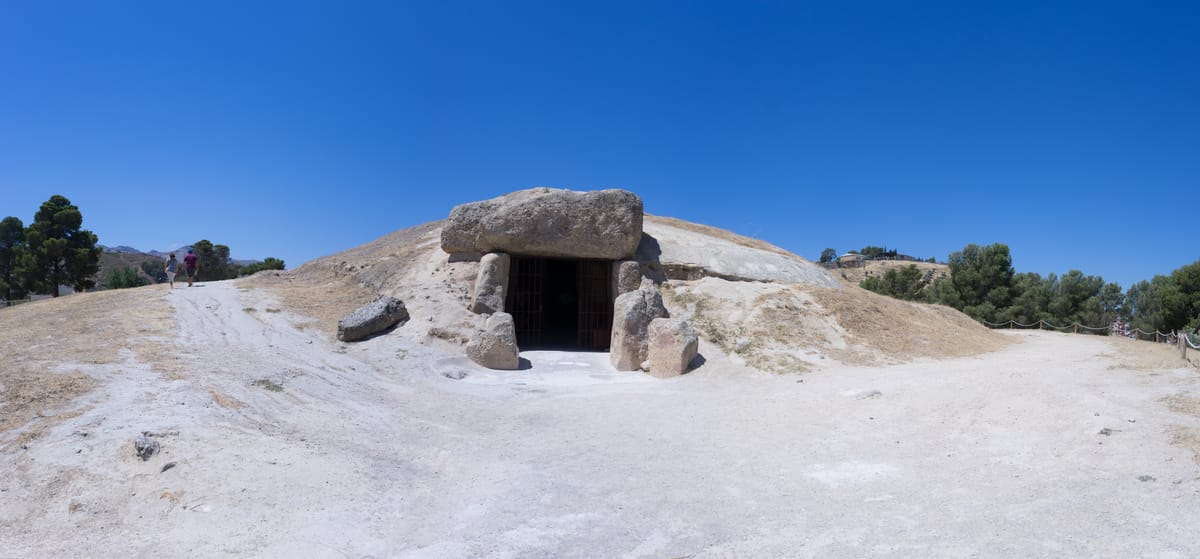 HIGH WONDER
Dolmen of Menga
How did a Neolithic community without metal tools, draft animals, or the wheel quarry, transport, and raise a roofing stone weighing on the order of 150 tonnes, and why did they orient the whole monument toward a mountain rather than the sun?
c. 3800-3600 BCE (Neolithic) · Antequera, Andalusia, SpainAdded July 2026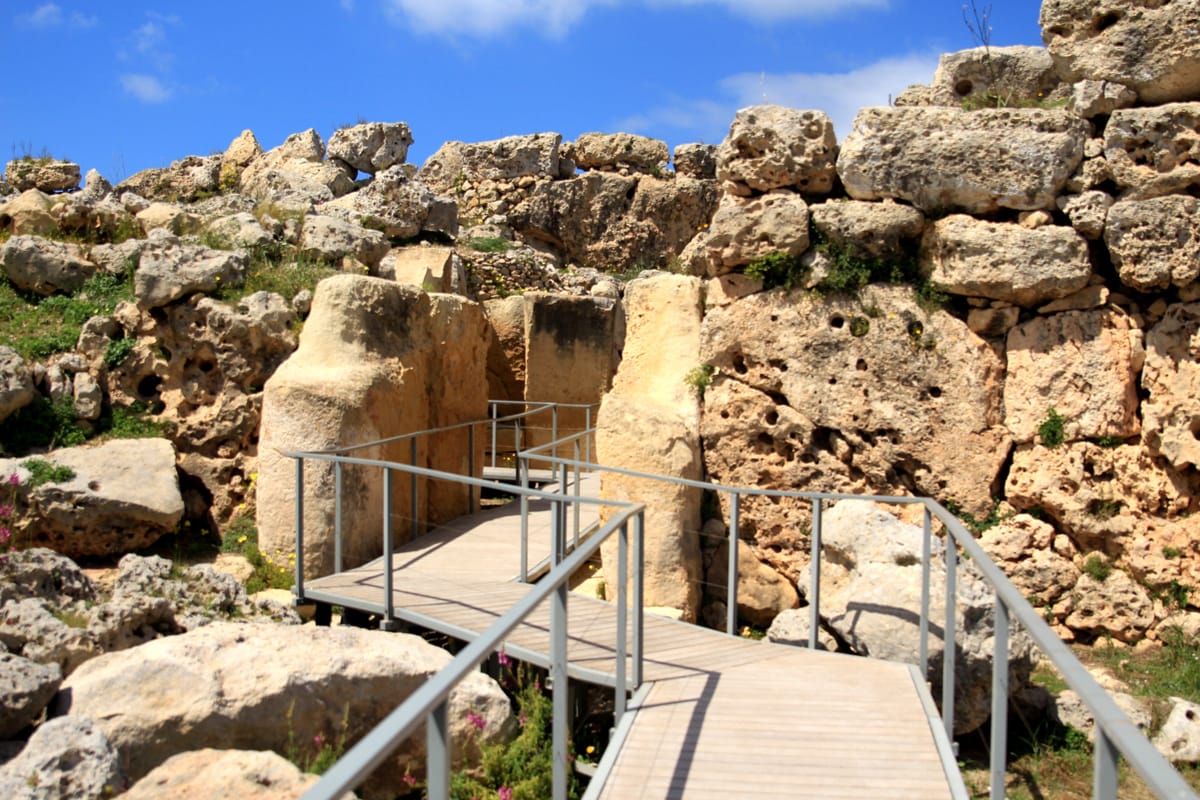 HIGH WONDER
The Ġgantija Temples
How did a Stone Age farming population, with no metal tools or wheeled transport, quarry, move, and raise megaliths weighing up to 50 tonnes into two standing temples more than a thousand years before the pyramids of Giza?
c. 3600–3200 BCE (Neolithic, Ġgantija phase) · Xagħra, Gozo, MaltaAdded July 2026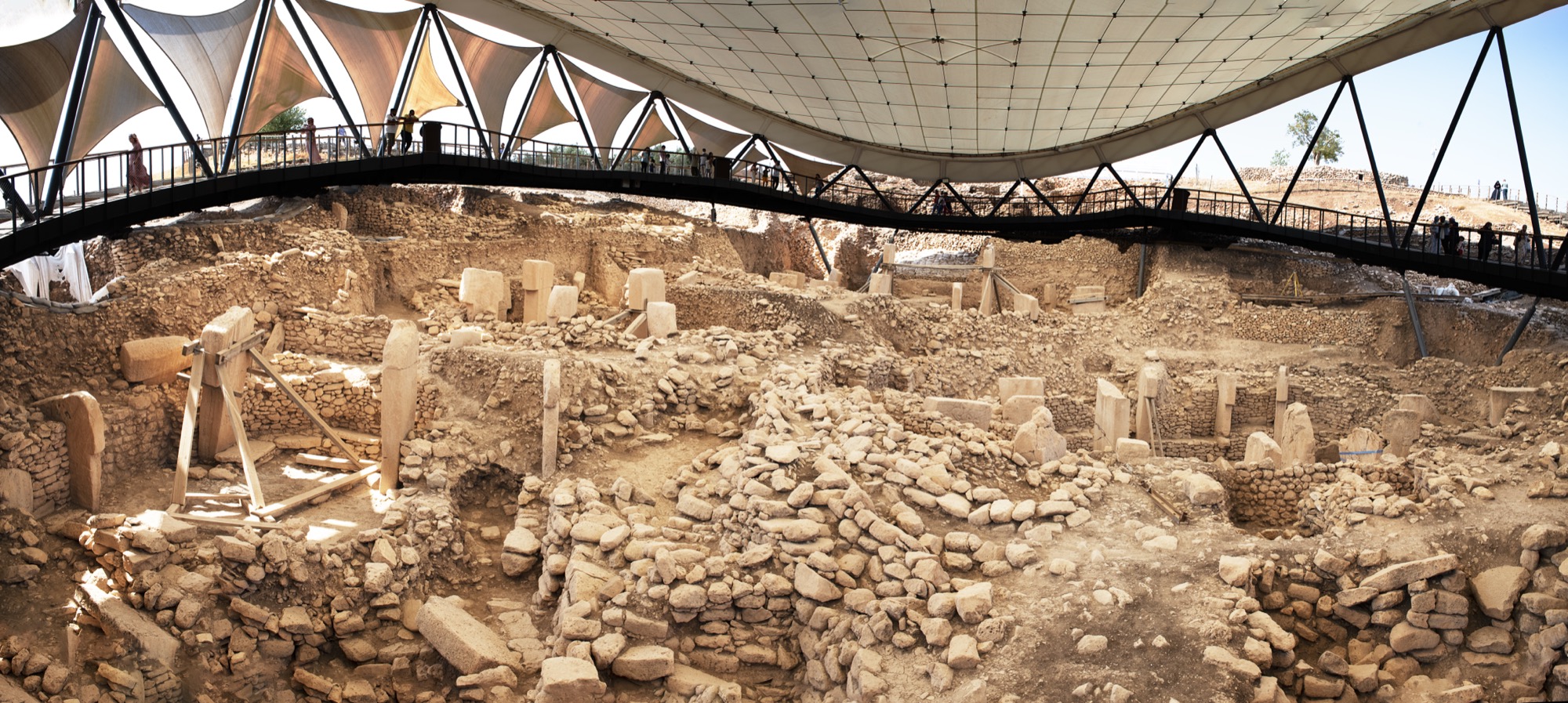 MUST READ
Göbekli Tepe
How did hunter-gatherers with no metal tools, pottery, or agriculture organize the labor to quarry, move, and raise multi-ton carved pillars, and why?
c. 9600-8000 BCE (Pre-Pottery Neolithic) · Şanlıurfa, Southeastern Anatolia, TurkeyAdded July 2026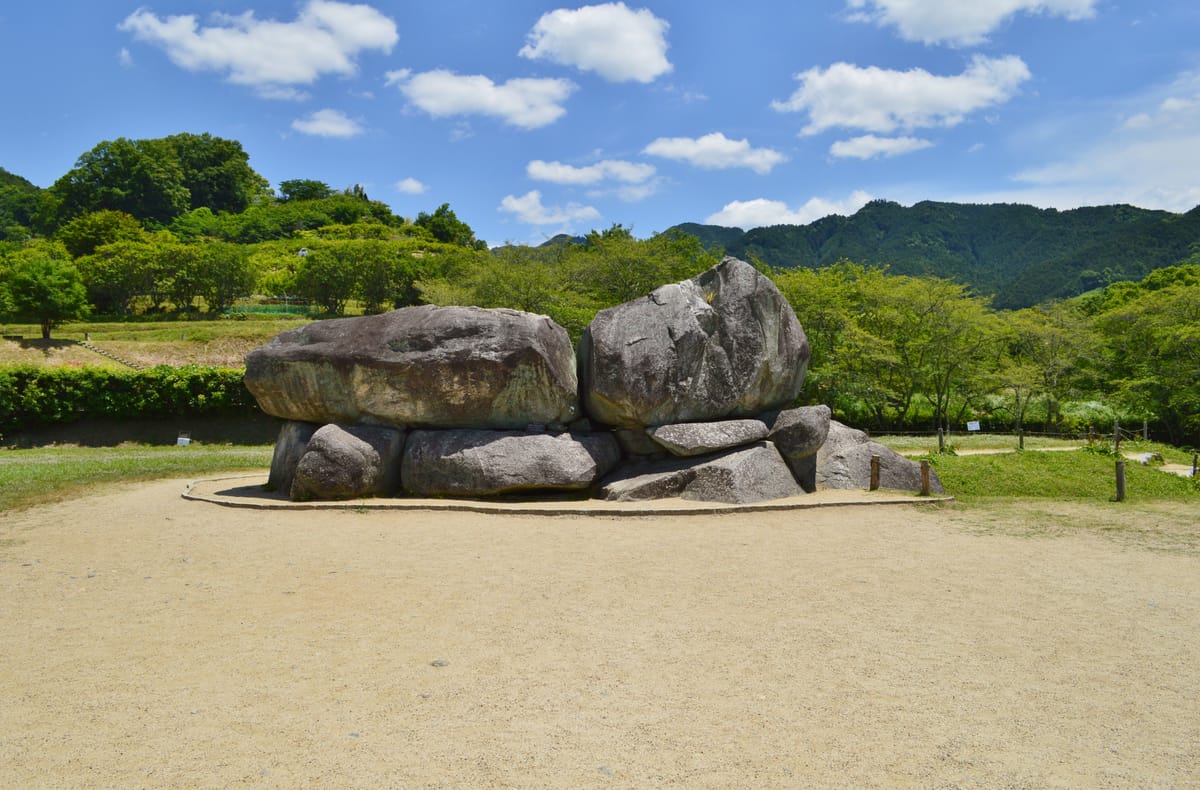 HIGH WONDER
Ishibutai Kofun
How did seventh-century builders drag some thirty granite blocks three kilometres from a mountainside and set a 77-tonne ceiling stone almost five metres in the air with nothing but timber, rope, and muscle — and why was the earth mound that hid all of it stripped away?
early 7th century CE (Asuka period) · Asuka, Nara Prefecture, JapanAdded September 2026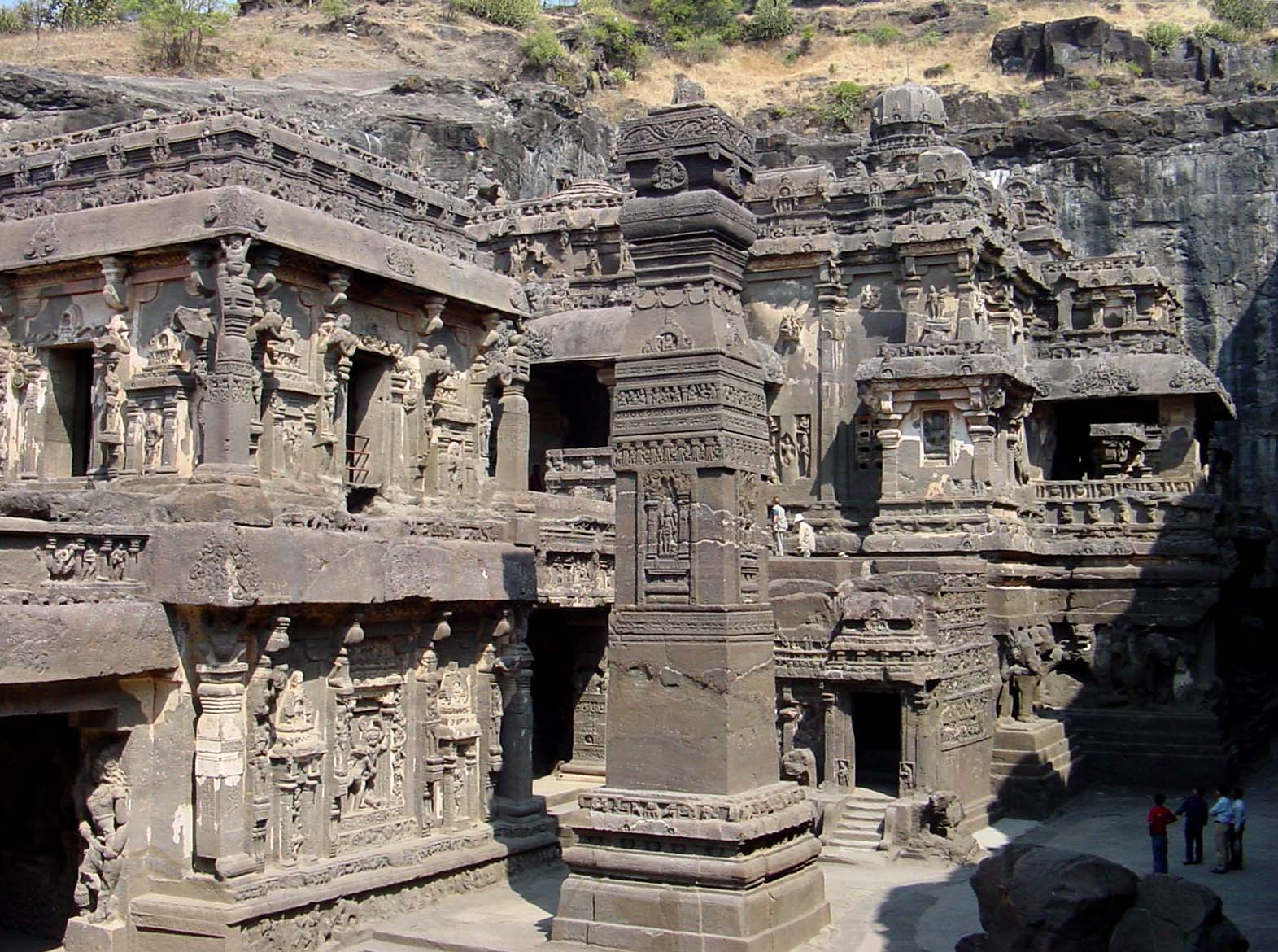 MUST READ
The Kailasa Temple
How was an entire multi-storey temple carved top-down from a single rock, with no room to correct a mistake?
c. 757-783 CE (reign of Krishna I) · Ellora, Maharashtra, IndiaAdded July 2026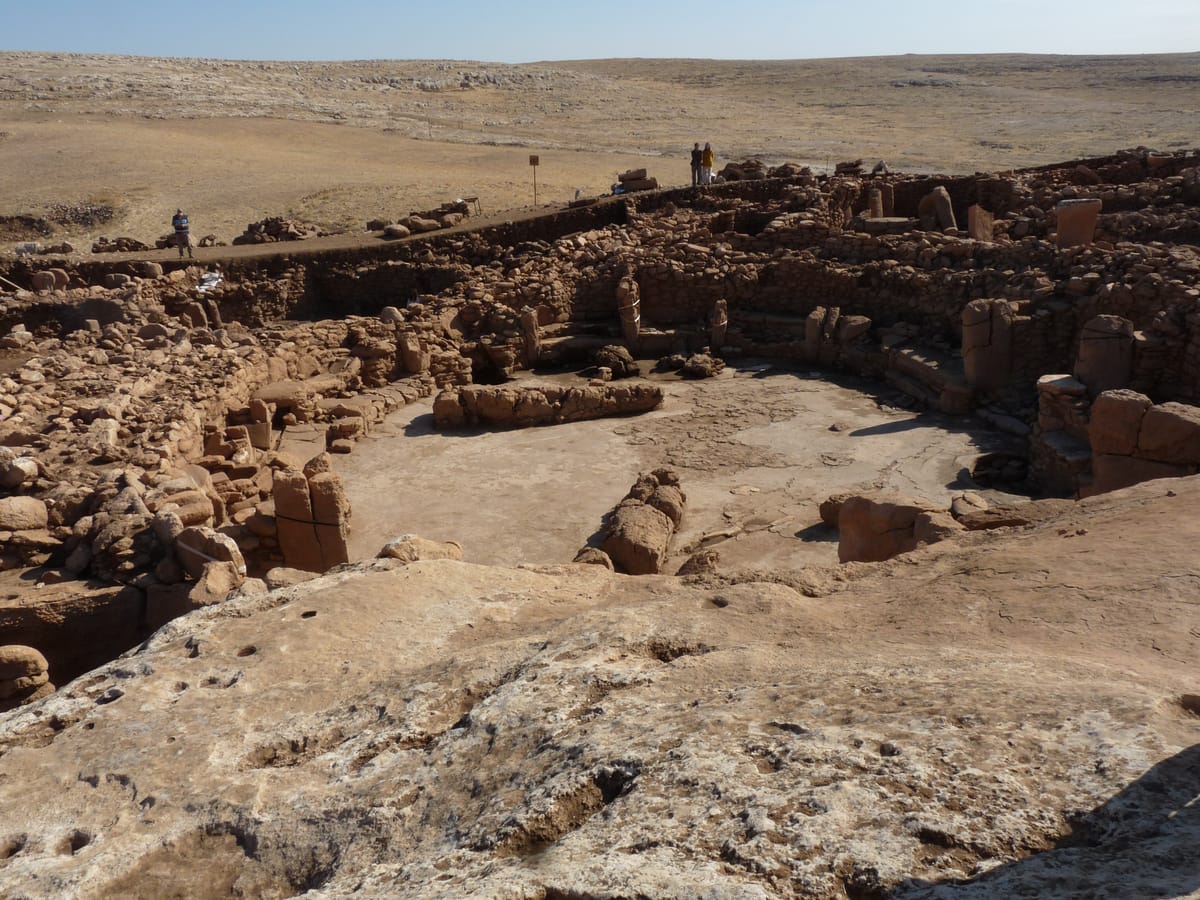 MUST READ
Karahan Tepe
How did a community with no metal tools, agriculture, or pottery organize the labor to carve hundreds of T-shaped pillars and an entire chamber of monumental pillars directly out of the bedrock, and what did the room's carved head and snake mean to them?
c. 9500-8200 BCE (Pre-Pottery Neolithic A/B) · Şanlıurfa Province, Southeastern Anatolia, TürkiyeAdded July 2026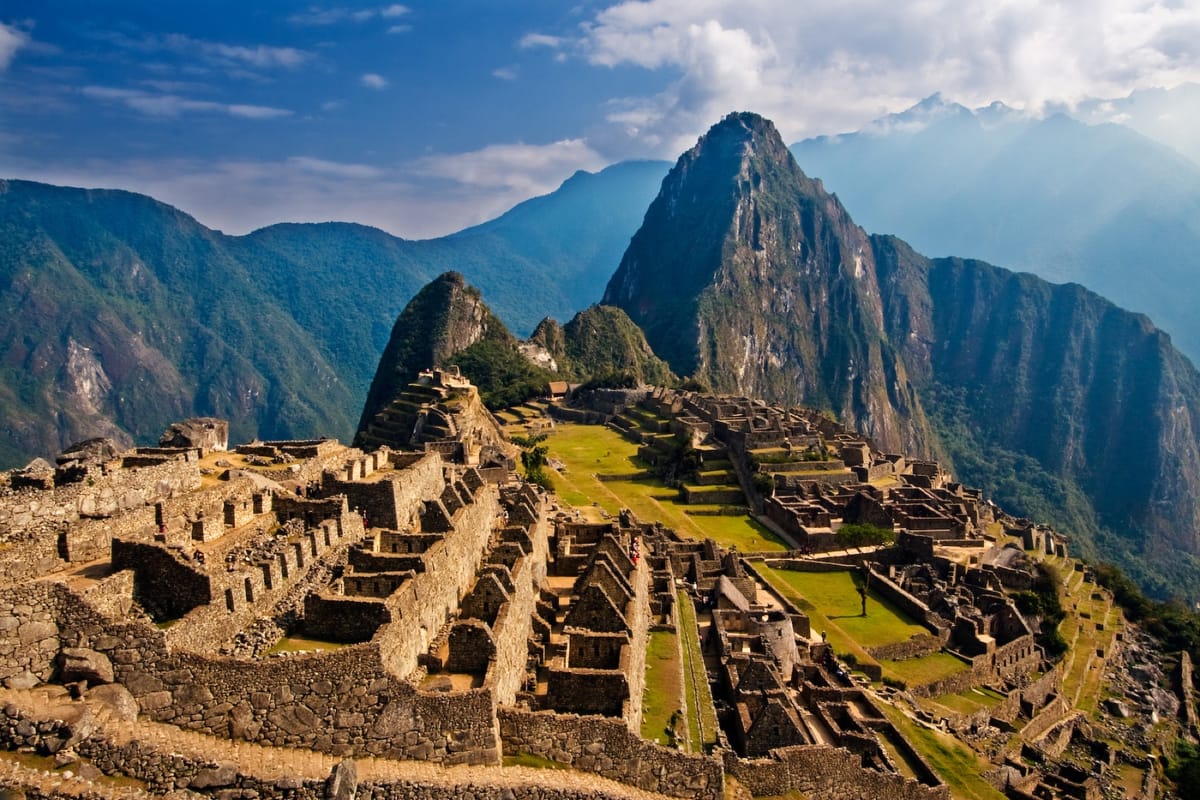 HIGH WONDER
Machu Picchu
How did the Inca raise a stone city on a knife-edge Andean ridge at 2,430 meters — terracing near-vertical slopes, fitting granite blocks so tightly a blade won't slip between them, and hiding a drainage system beneath it all — so well that it has outlasted five centuries of torrential rain and earthquakes?
early-to-mid 15th century CE (Inca, reign of Pachacuti) · Machu Picchu, Cusco Region, PeruAdded July 2026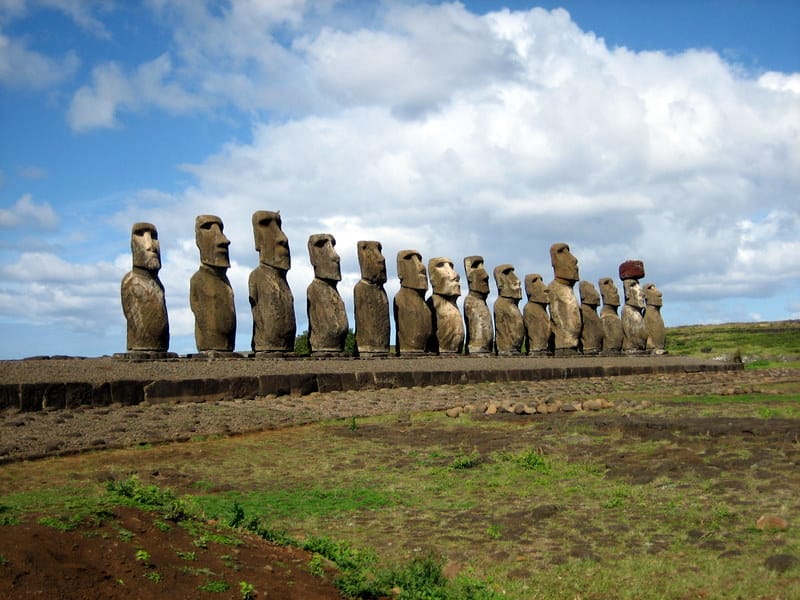 HIGH WONDER
The Moai of Rapa Nui
How did a small Polynesian island society carve, move, and raise nearly 900 multi-tonne stone figures, some over 80 tonnes, across miles of rugged terrain without wheels, metal tools, or draft animals?
c. 1250-1500 CE · Rapa Nui (Easter Island), Valparaíso Region, ChileAdded July 2026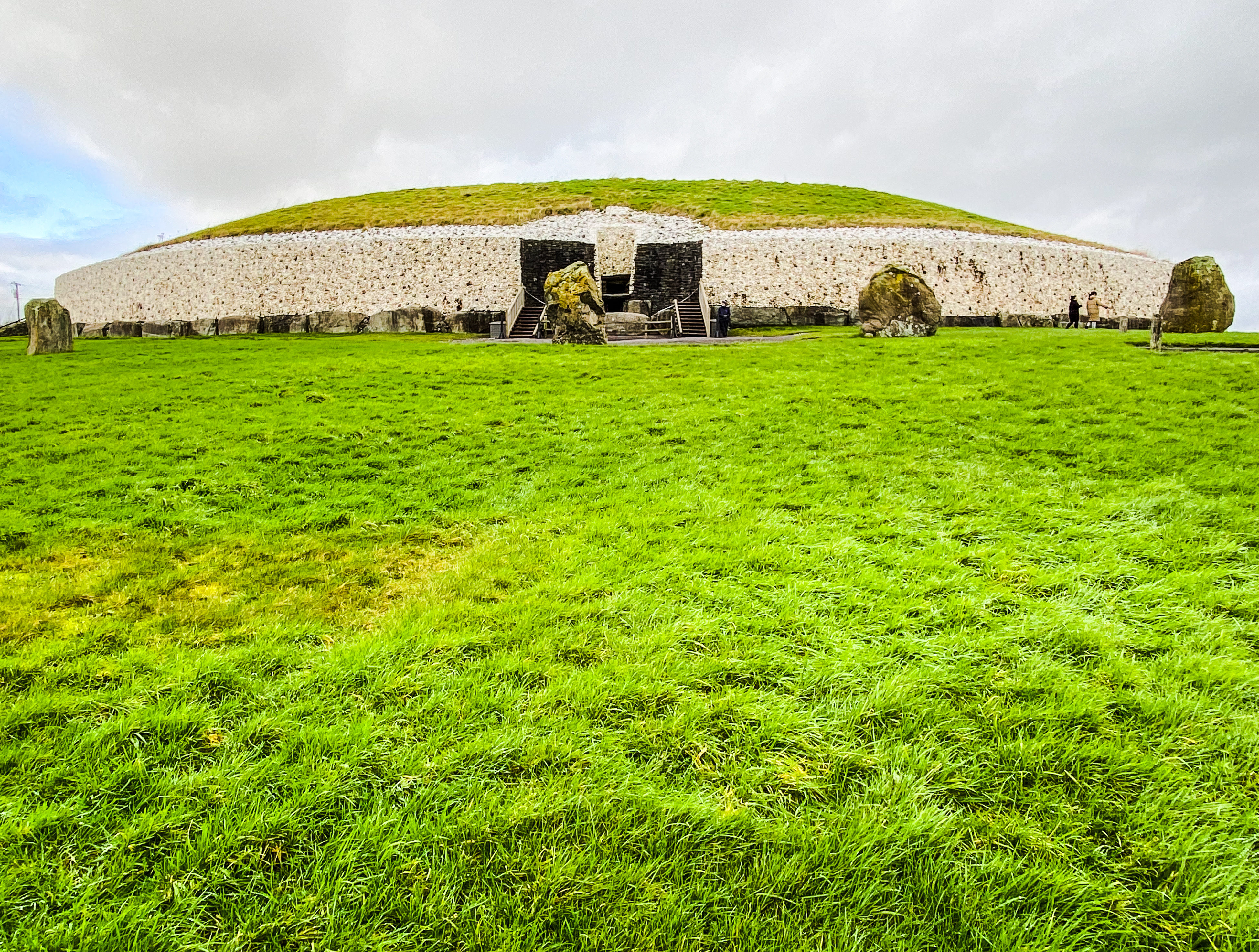
Newgrange
How did a farming community without writing, metal tools, or (as far as the evidence shows) any recorded mathematics engineer a 19-meter passage to funnel winter-solstice sunrise into a chamber with such precision, and what did the tomb mean to the people who built and used it?
c. 3200-3100 BCE (Neolithic) · Brú na Bóinne, County Meath, IrelandAdded July 2026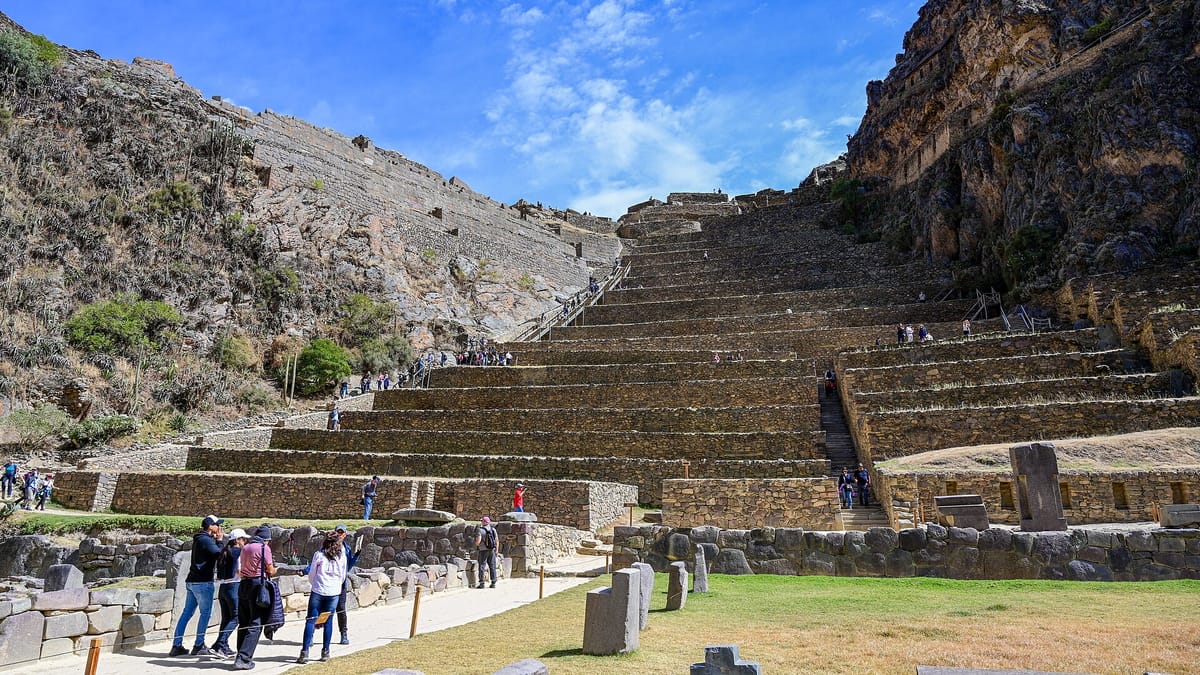 MUST READ
Ollantaytambo
How did the Inca quarry six rose-rhyolite monoliths weighing tens of tonnes each from a mountainside across the Urubamba River, haul them down, across the valley, and up a second mountain to the Temple of the Sun, fit them with millimeter-tight joints, and then abandon the whole project before it was finished?
mid-to-late 15th century CE (Inca, reign of Pachacuti) · Ollantaytambo, Sacred Valley, Cusco Region, PeruAdded July 2026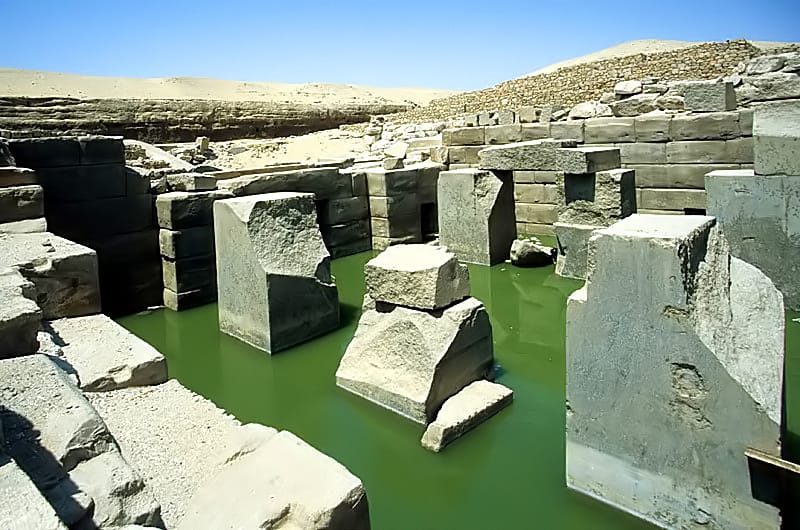 HIGH WONDER
The Osirion at Abydos
Why did the builders of a delicate limestone temple raise, directly behind it, a stark megalithic hall of hundred-tonne granite sunk to the water table around a stone island — and does its archaic, 'cyclopean' style really mean it is older than the New Kingdom?
c. 1290 BCE (19th Dynasty, reign of Seti I; original date contested) · Abydos, Sohag Governorate, EgyptAdded July 2026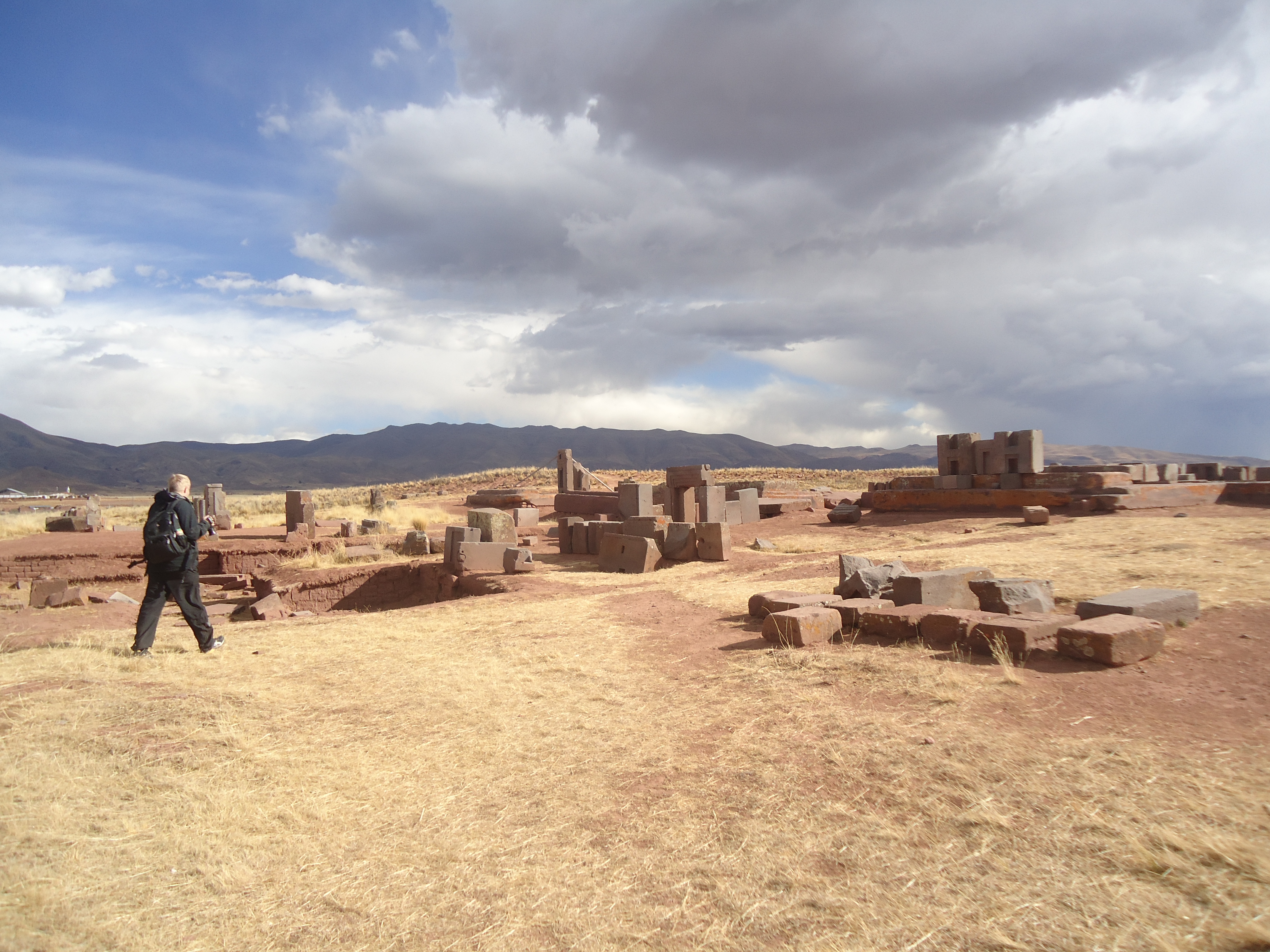 MUST READ
Puma Punku
How did the Tiwanaku, working without iron tools, cut andesite and sandstone blocks into flat faces, crisp right angles, and repeating modular 'H' shapes precise enough to be interchangeable?
6th century CE (Tiwanaku culture) · Tiwanaku, La Paz Department, BoliviaAdded July 2026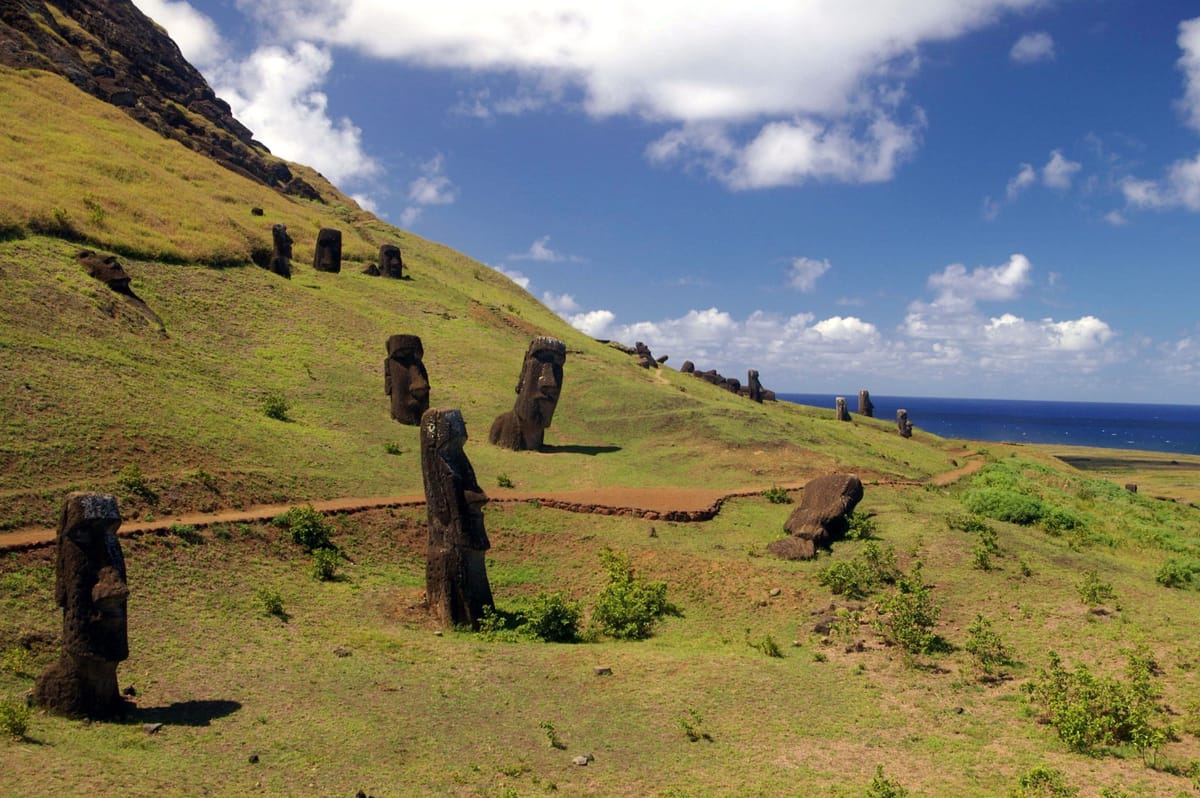 HIGH WONDER
Rano Raraku
Why are roughly half of all the moai ever carved still standing in the quarry that made them — abandoned partway to somewhere else, or deliberately raised on the spot they were born?
c. 1250-1500 CE for the main period of carving, with quarrying continuing into roughly the early 1700s · Rapa Nui (Easter Island), Valparaíso Region, ChileAdded August 2026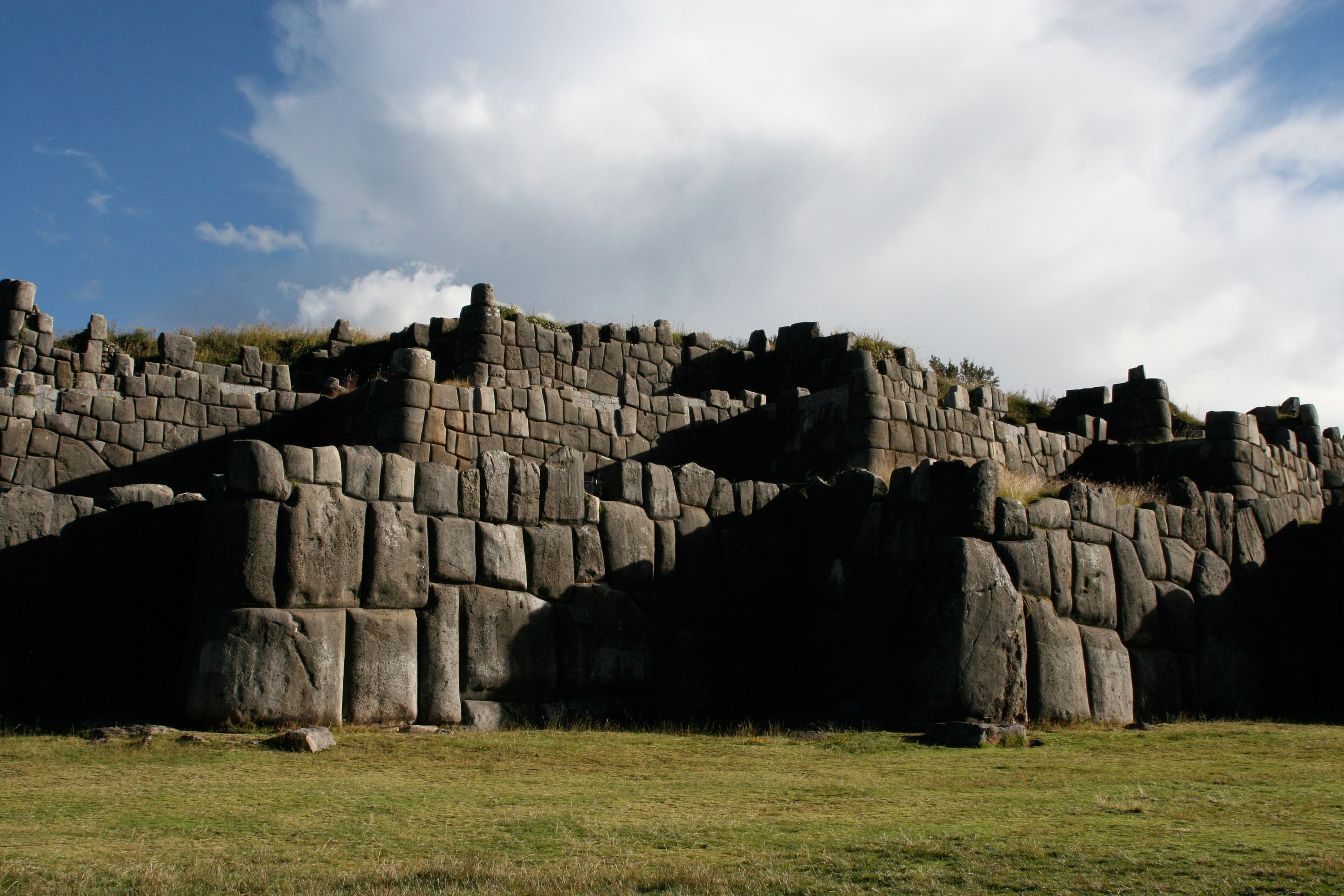 MUST READ
Sacsayhuamán
How did a society without iron tools, the wheel, or draft animals quarry, transport, and fit together zigzag walls of irregular limestone blocks weighing well over 100 tonnes each, so precisely that a blade still cannot slip between them?
15th century CE (Inca) · Cusco, Cusco Region, PeruAdded July 2026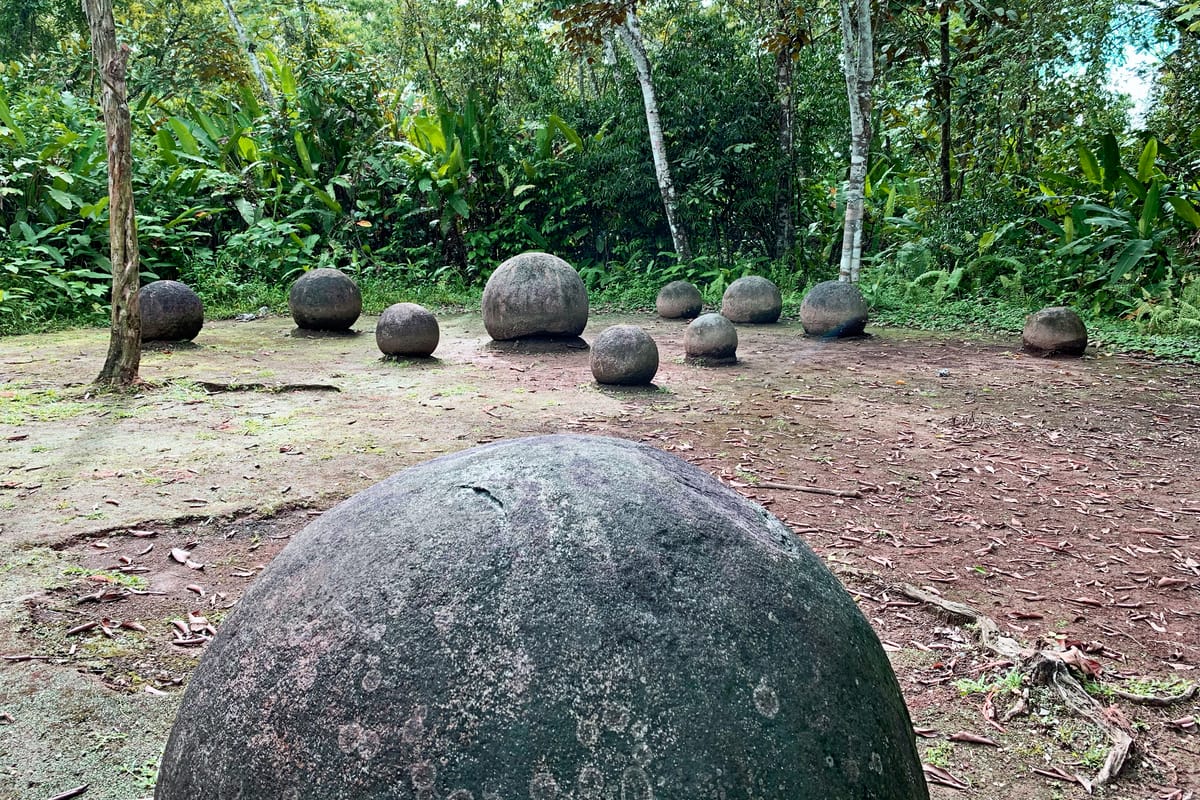 HIGH WONDER
The Stone Spheres of the Diquís
How did a society without metal tools or writing shape hundreds of hard igneous boulders into spheres accurate to within a few centimeters, and what did the careful arrangements of these stones mean to the people who placed them?
c. 600–1550 CE (Aguas Buenas and Chiriquí periods) · Diquís Delta, Palmar Sur, Puntarenas Province, Costa RicaAdded July 2026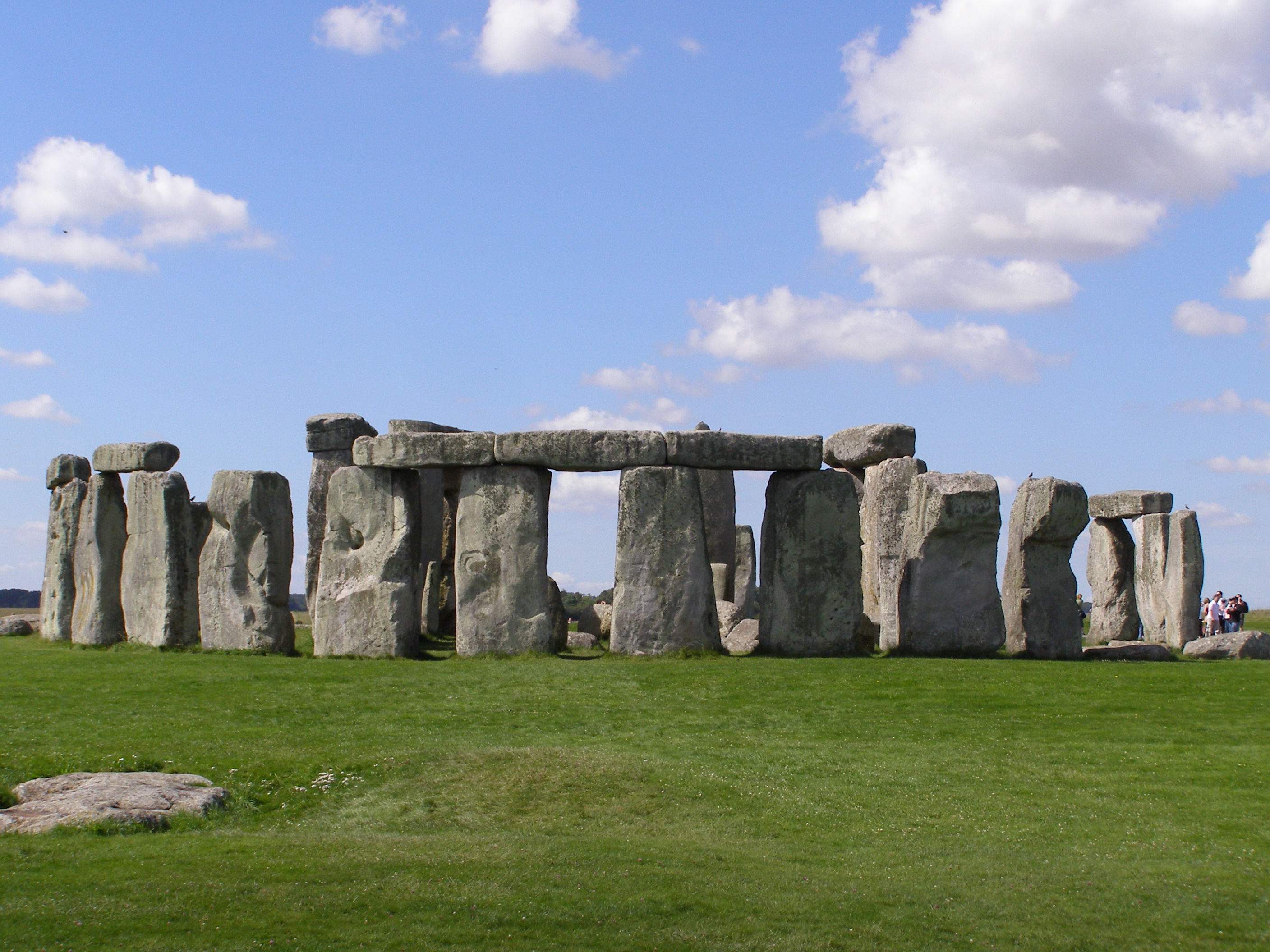 MUST READ
Stonehenge
How did people without wheeled transport, draft animals, or metal tools quarry, move, and precisely erect stones weighing up to 30 tonnes from as far as Wales and Scotland, and what was the monument actually for?
c. 3000-1600 BCE (Neolithic to Bronze Age) · Salisbury Plain, Wiltshire, EnglandAdded July 2026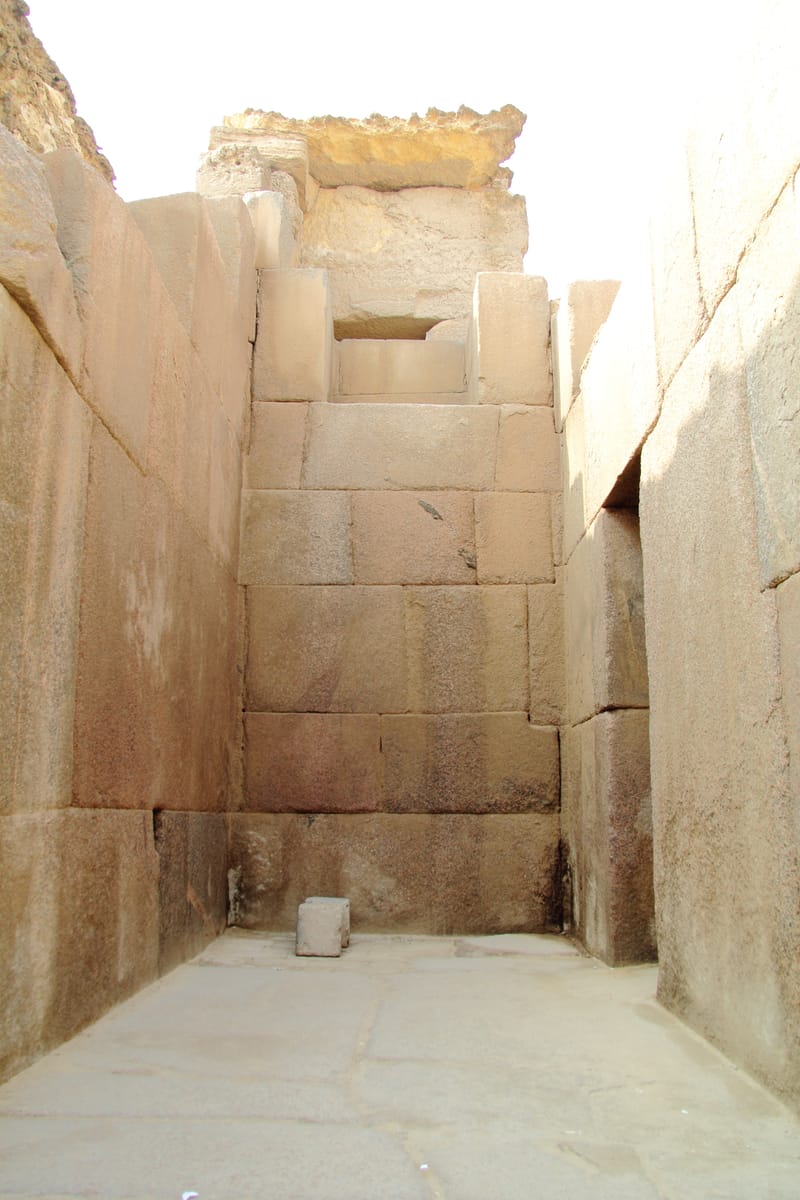
Valley Temple of Khafre
How did Old Kingdom builders quarry, move, and raise local limestone core blocks weighing 100 tonnes and more — then sheath them in red granite cut to joints so tight, and so cleverly interlocked around the corners, that a knife blade will scarcely enter — using only copper tools, stone pounders, sledges, and earthen ramps?
c. 2570 BCE (Fourth Dynasty, reign of Khafre) · Giza Plateau, Giza Governorate, EgyptAdded July 2026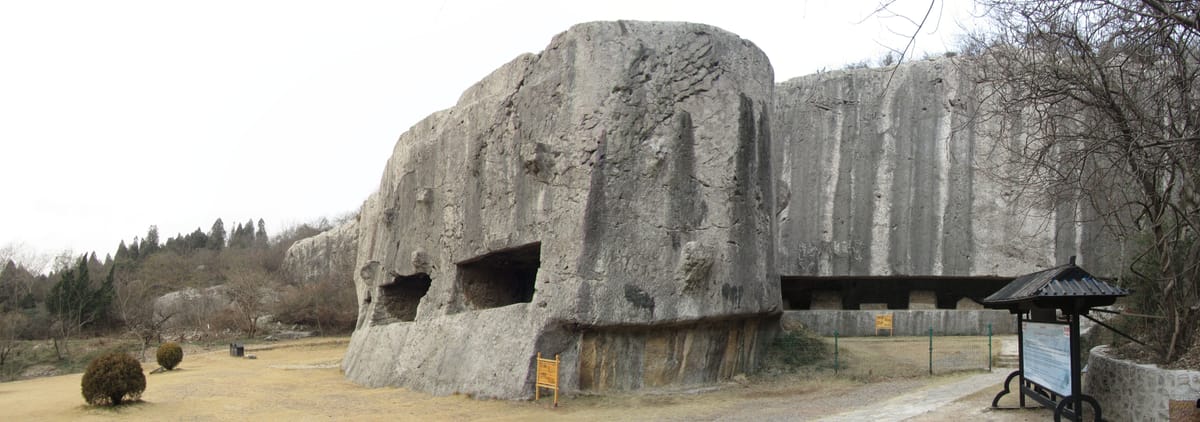 MUST READ
The Yangshan Quarry Stele
How did Ming quarrymen imagine moving and erecting three stone pieces weighing thousands of tonnes each, and what finally convinced them, mid-project, that it could not be done?
1405–1413 CE (Yongle Emperor, Ming dynasty) · Yangshan Quarry, Tangshan, Jiangning District, Nanjing, Jiangsu, ChinaAdded July 2026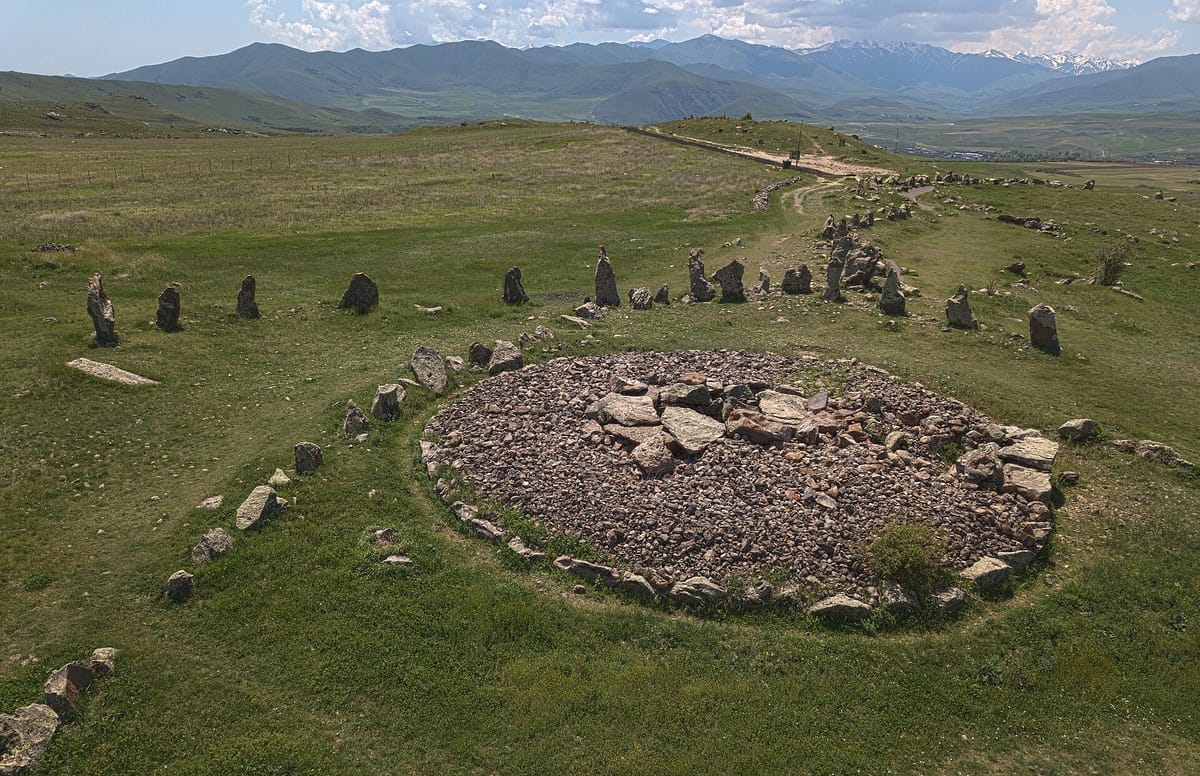
Zorats Karer (Karahunj)
Were the smooth bored holes in dozens of these standing stones deliberate sightlines onto the sky, or features of a burial and settlement site whose astronomical meaning has been read into it after the fact — and how old is the site really?
Middle Bronze Age to Iron Age (mainstream necropolis dating); much older observatory claims (c. 5500 BCE) are disputed and not accepted by most archaeologists · Near Sisian, Syunik Province, ArmeniaAdded July 2026