Tagged “peru”
 HIGH WONDER
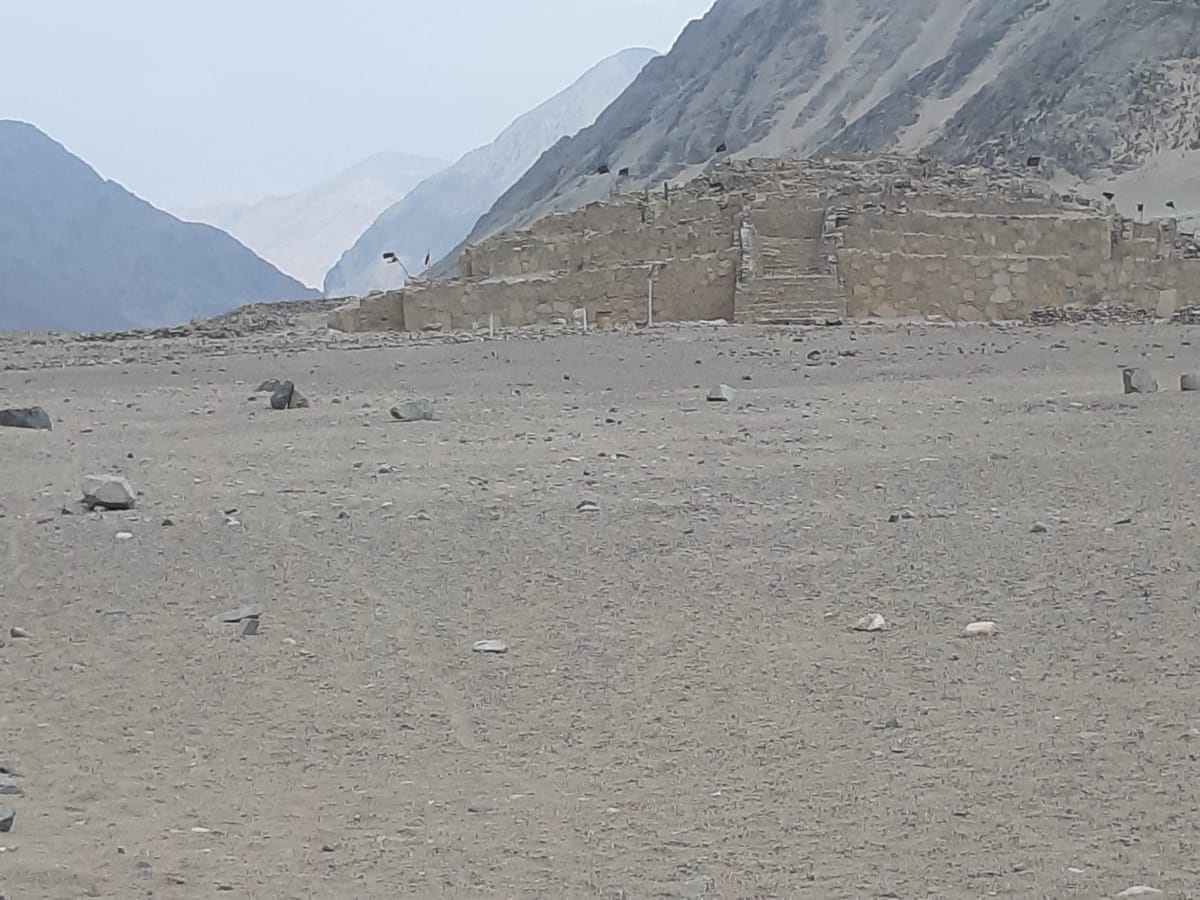
Caral
How did a society with no pottery, no metal tools, no wheel, no draft animals, and no writing raise six stone-faced pyramids and sunken plazas on a desert terrace 5,000 years ago — building one of the world's first cities at the same moment as the pyramids of Egypt, and doing it, apparently, without an army?
Late Archaic Period, monumental phase c. 2600 BCE (Norte Chico / Caral civilization) · Sacred City of Caral-Supe, Supe Valley, Lima Region, PeruAdded July 2026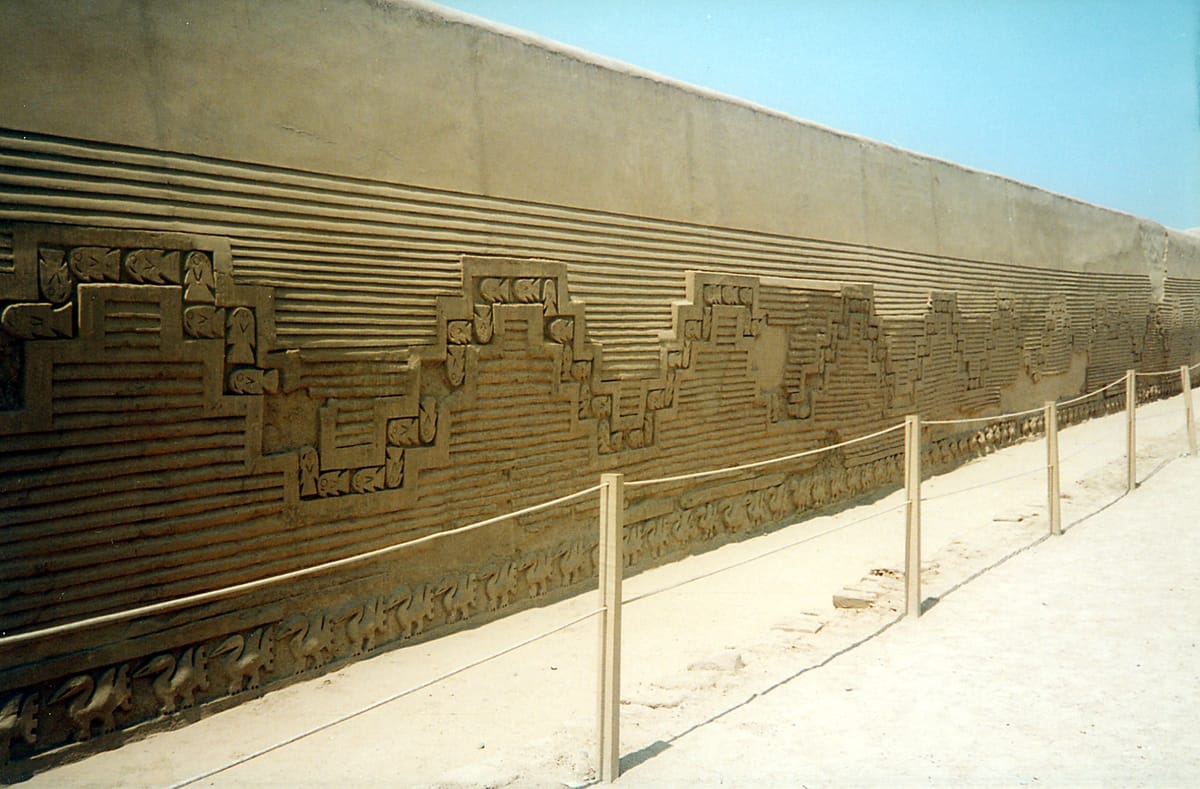
Chan Chan
How did the Chimú raise the largest earthen city on Earth — roughly 20 square kilometers of adobe palaces, tapering earthquake-resistant walls, and marine friezes — and keep tens of thousands of people alive in one of the driest deserts on the planet, where it almost never rains?
c. 850–1470 CE (Chimú kingdom of Chimor) · Chan Chan, near Trujillo, La Libertad Region, PeruAdded July 2026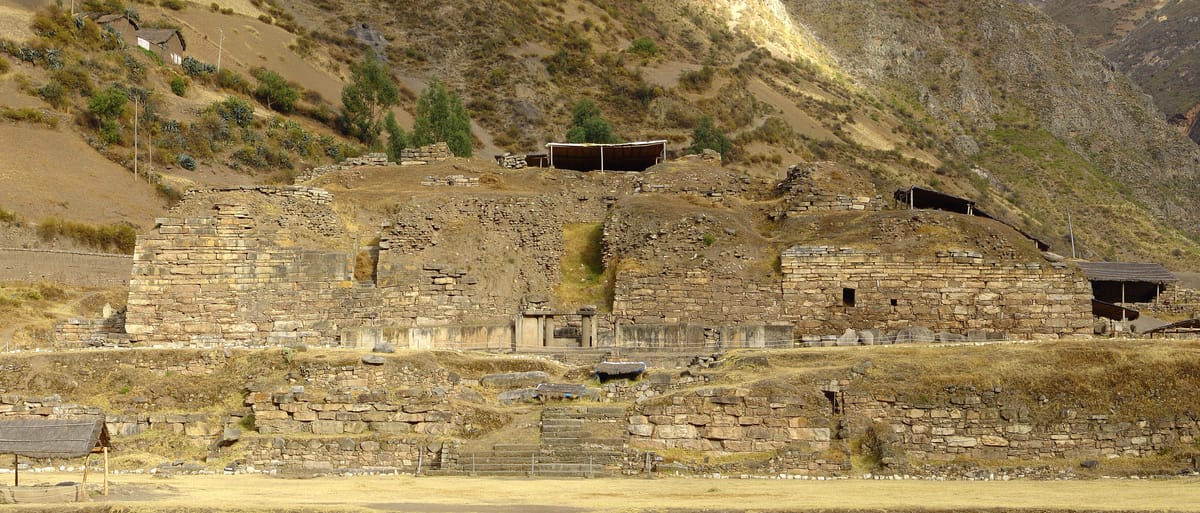
Chavín de Huántar
How did a pre-Inca society without writing, metal tools, or the wheel quarry, dress, and fit massive stone blocks into a labyrinth of internal galleries and hydraulic canals precise enough to turn rushing water into an engineered roar, and what did the temple's fanged, hybrid imagery actually mean to those who built and used it?
c. 1200–500/400 BCE, Initial Period through Early Horizon · Chavín de Huántar, Áncash Region, PeruAdded July 2026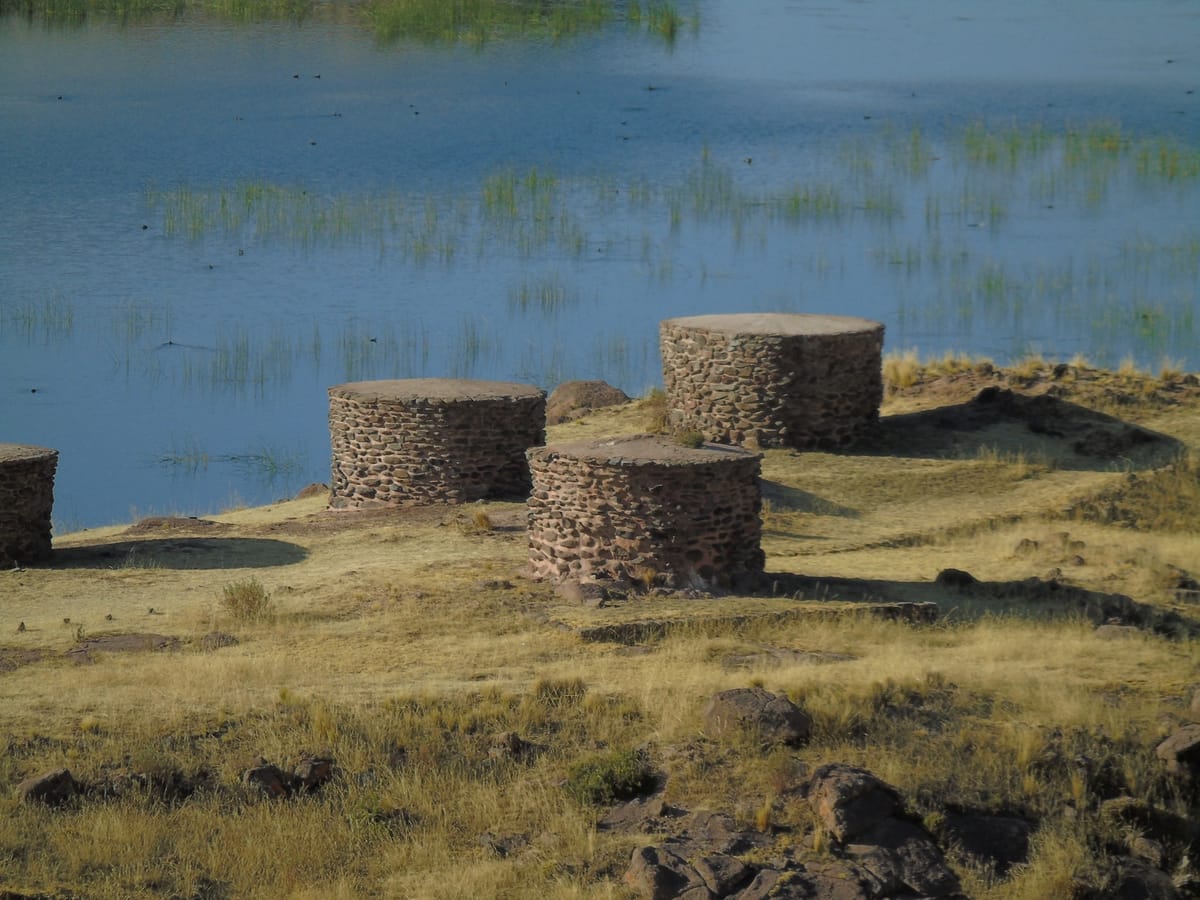
The Chullpas of Sillustani
How did Andean builders raise dry-stone funerary towers up to 12 meters tall that grow wider as they rise — flaring outward to a top broader than their base — from mortarless, precisely fitted blocks, on a windswept peninsula at nearly 3,900 meters in a seismically active corner of the Andes?
Late Intermediate Period through Late Horizon (c. 12th–16th century CE; Colla, later Inca) · Sillustani, Lake Umayo, Atuncolla, Puno Region, PeruAdded July 2026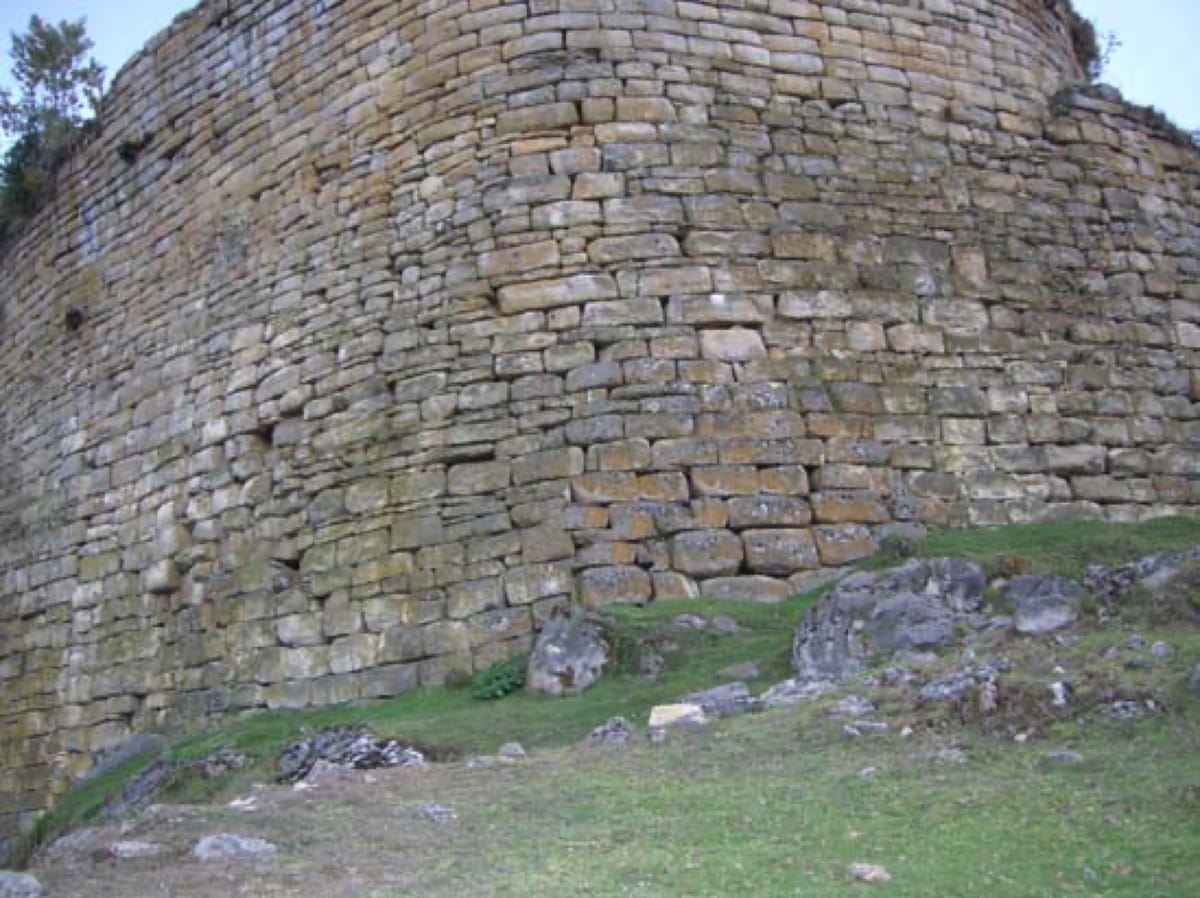 HIGH WONDER
Kuélap
How did a pre-Inca cloud-forest people, with no writing, no draft animals, and no iron tools, quarry and haul an enormous volume of limestone up to a 3,000-metre ridgetop and raise perimeter walls up to 20 metres high around more than 400 stone houses — and why did they wrap a mountaintop settlement in defences on that scale?
main construction c. 900–1100 CE, on a site first occupied around the 6th century (Chachapoya culture) · Kuélap, near Tingo, Luya Province, Amazonas Region, PeruAdded July 2026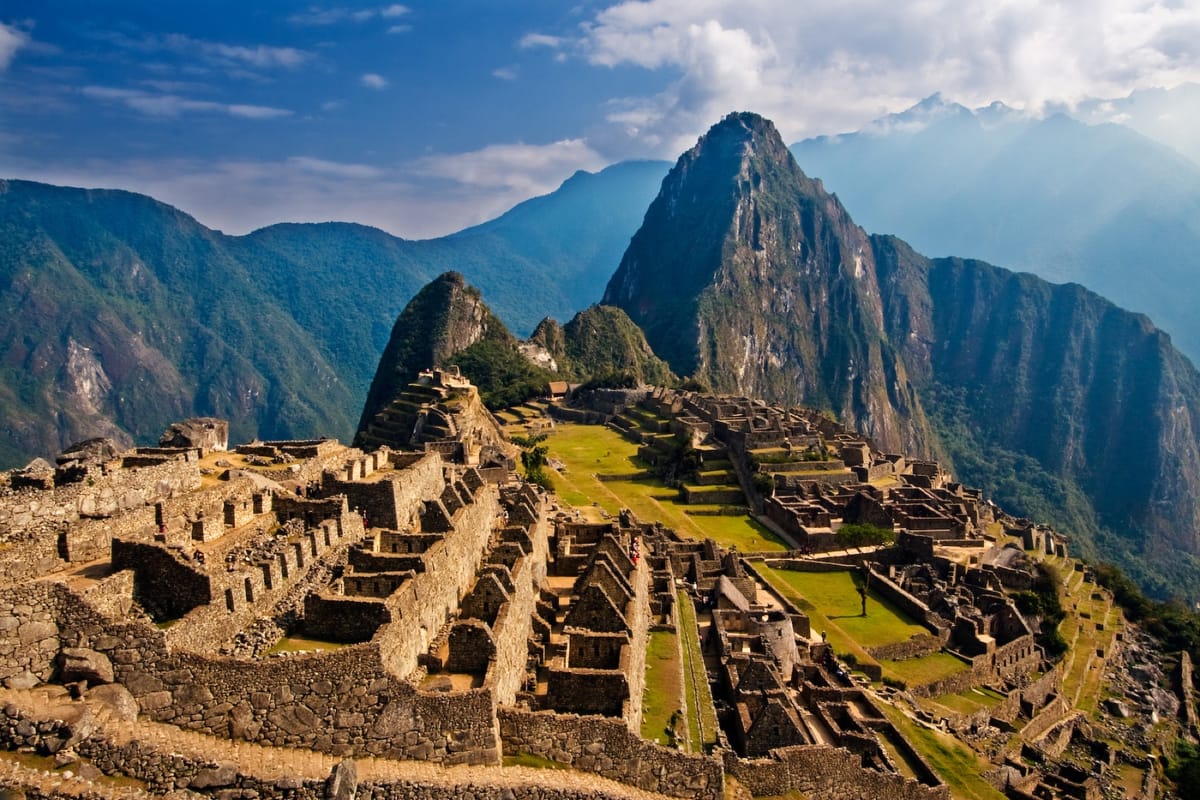 HIGH WONDER
Machu Picchu
How did the Inca raise a stone city on a knife-edge Andean ridge at 2,430 meters — terracing near-vertical slopes, fitting granite blocks so tightly a blade won't slip between them, and hiding a drainage system beneath it all — so well that it has outlasted five centuries of torrential rain and earthquakes?
early-to-mid 15th century CE (Inca, reign of Pachacuti) · Machu Picchu, Cusco Region, PeruAdded July 2026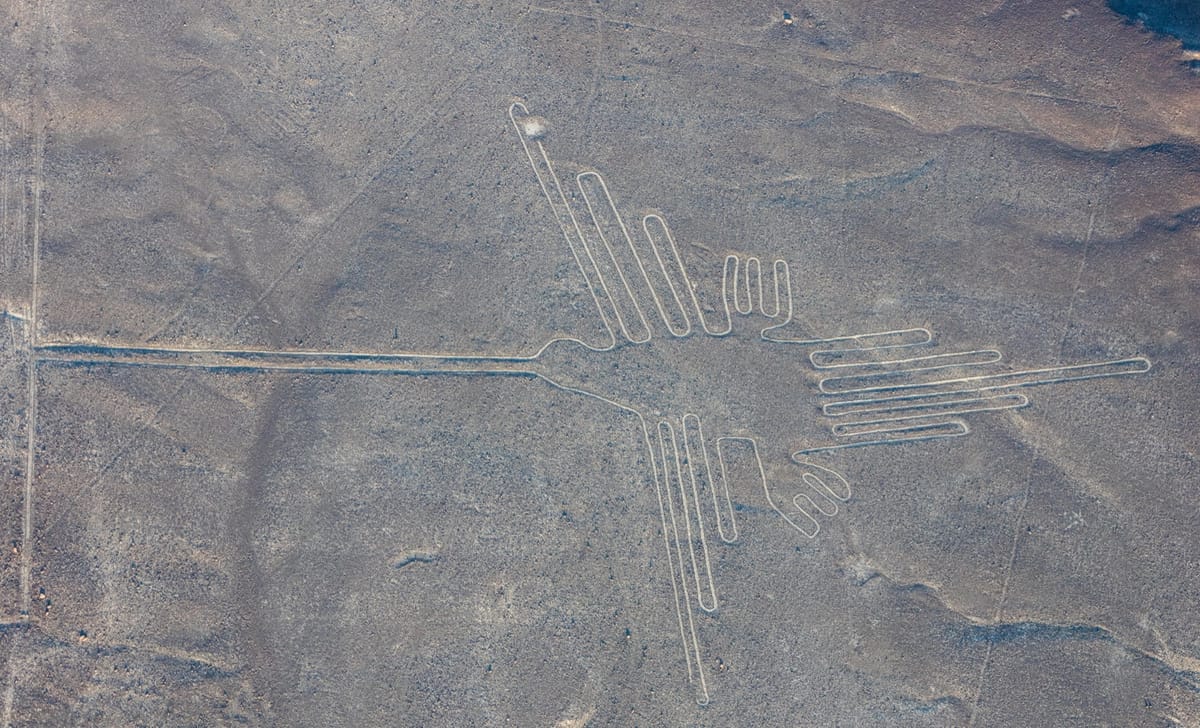 HIGH WONDER
Nazca Lines
How did a people with no aircraft lay out animal figures and dead-straight lines running for kilometres across the desert — forms whose full shape is only legible from the air — with such control of scale and proportion, and what were they for?
c. 500 BCE – 500 CE (Nazca culture, with earlier Paracas-phase figures) · Nazca Desert (Pampa de Jumana), Ica Region, PeruAdded July 2026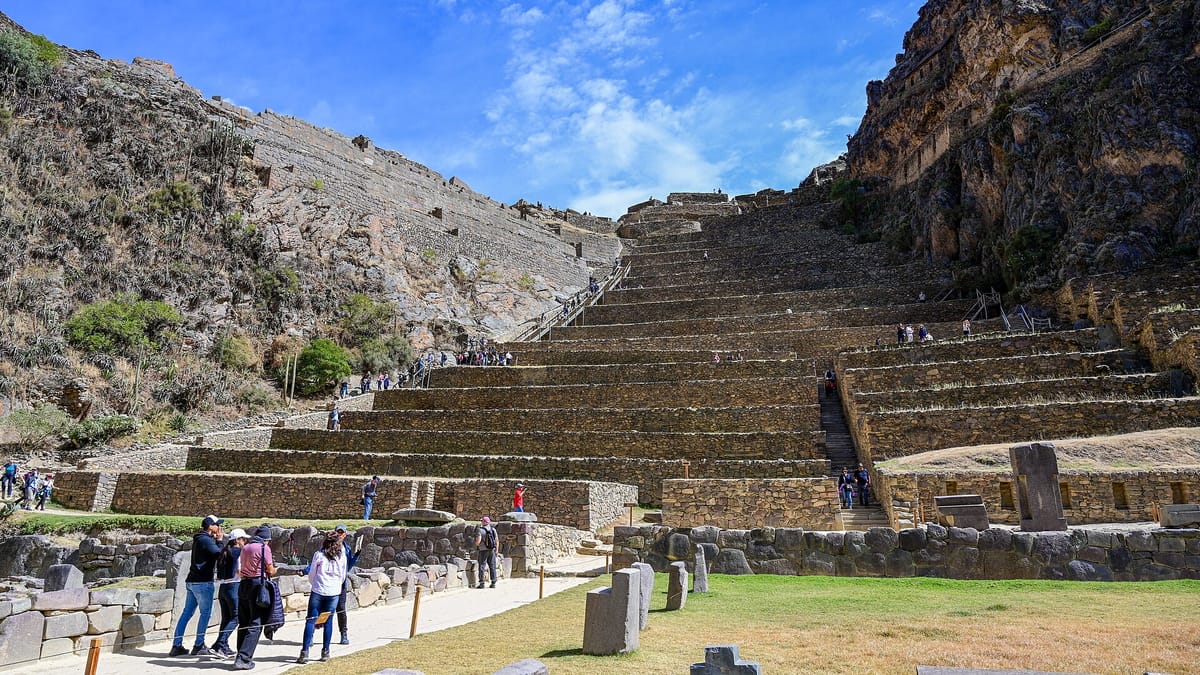 MUST READ
Ollantaytambo
How did the Inca quarry six rose-rhyolite monoliths weighing tens of tonnes each from a mountainside across the Urubamba River, haul them down, across the valley, and up a second mountain to the Temple of the Sun, fit them with millimeter-tight joints, and then abandon the whole project before it was finished?
mid-to-late 15th century CE (Inca, reign of Pachacuti) · Ollantaytambo, Sacred Valley, Cusco Region, PeruAdded July 2026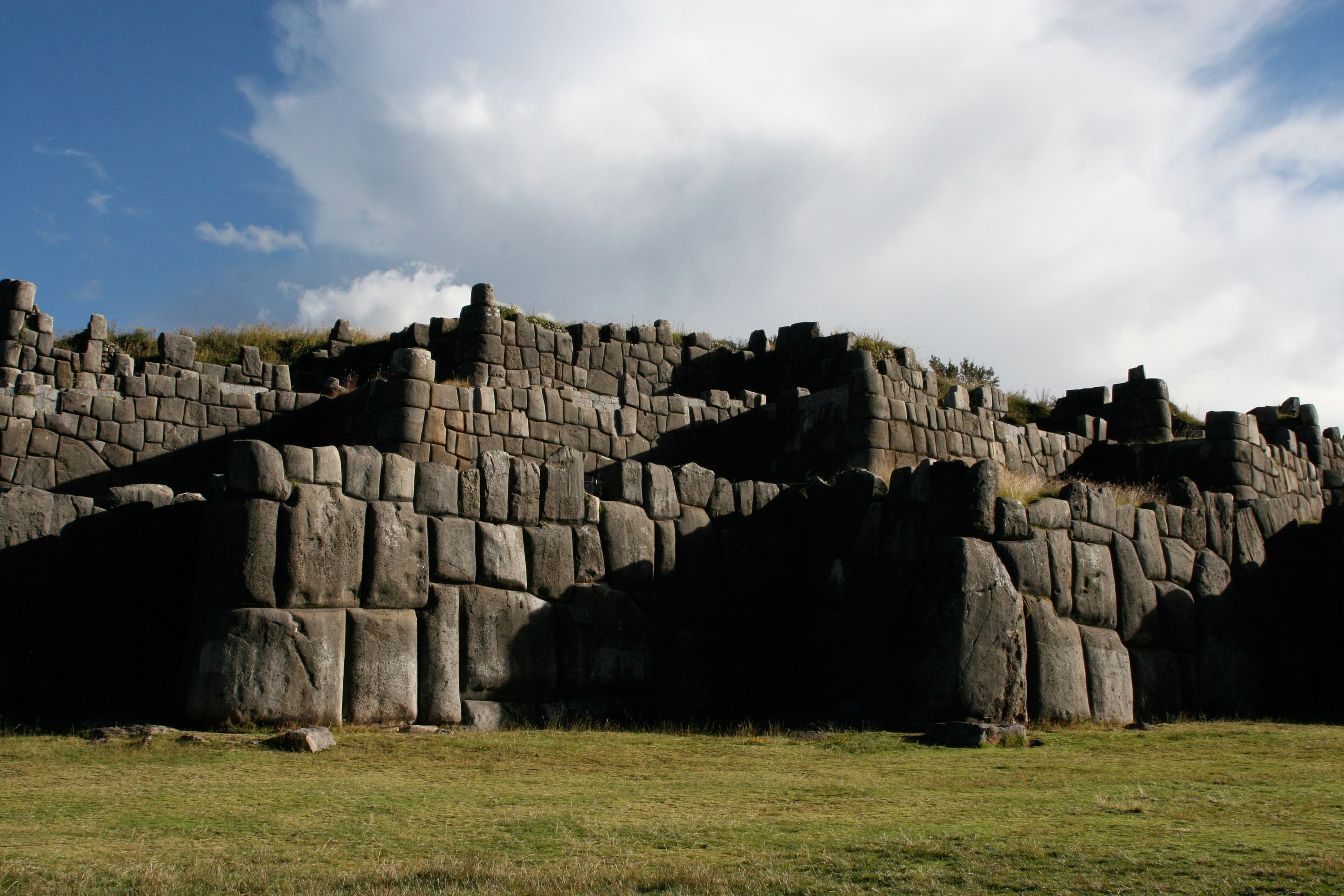 MUST READ
Sacsayhuamán
How did a society without iron tools, the wheel, or draft animals quarry, transport, and fit together zigzag walls of irregular limestone blocks weighing well over 100 tonnes each, so precisely that a blade still cannot slip between them?
15th century CE (Inca) · Cusco, Cusco Region, PeruAdded July 2026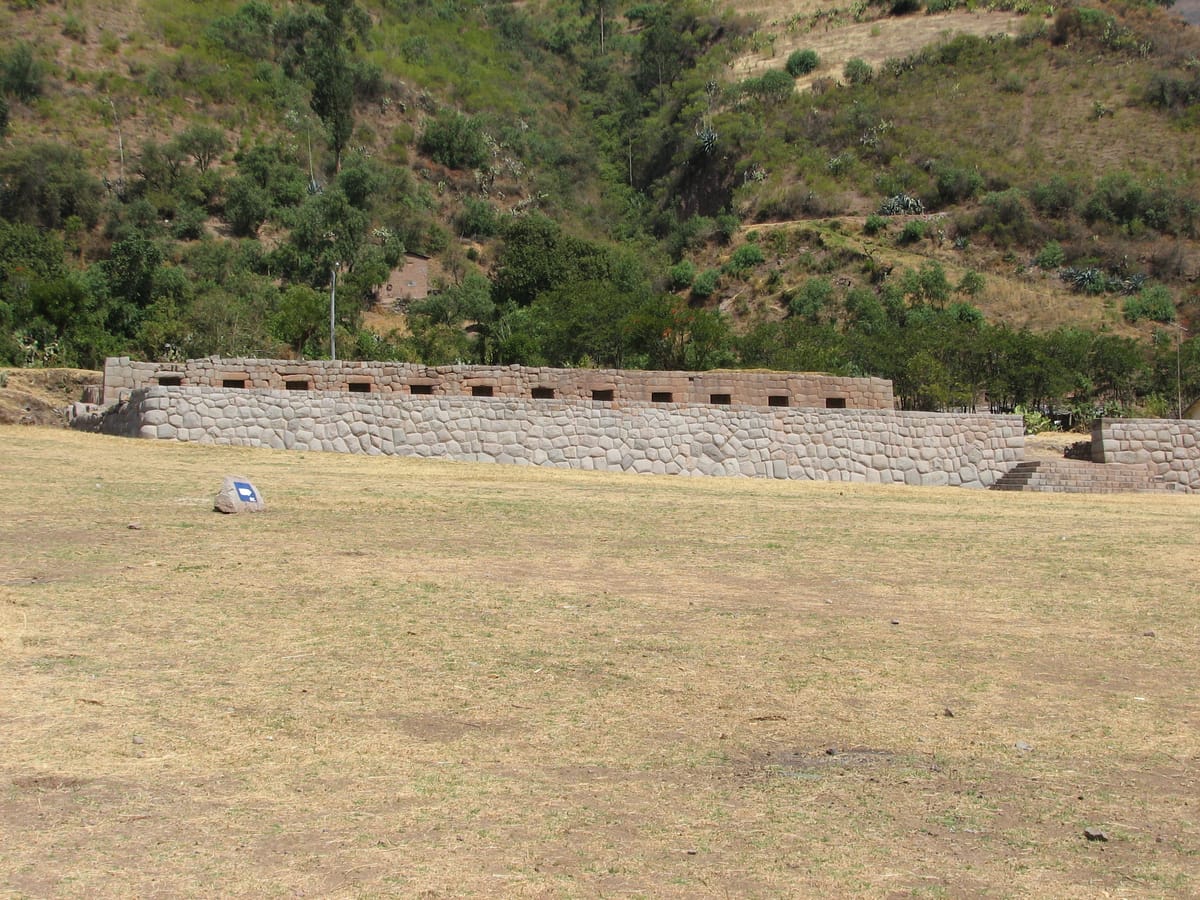
Tarawasi
How did Inca masons, working with nothing harder than stone hammers and abrasive sand, cut and interlock dozens of many-sided andesite blocks into a wall so tight that a blade still cannot slip between the joints — and why lavish that level of craft on a wayside rest stop rather than a temple in Cusco itself?
mid-15th century CE (Inca Late Horizon, reign of Pachacutec) · Limatambo, Anta Province, Cusco Region, PeruAdded July 2026