The Chullpas of Sillustani
How did Andean builders raise dry-stone funerary towers up to 12 meters tall that grow wider as they rise — flaring outward to a top broader than their base — from mortarless, precisely fitted blocks, on a windswept peninsula at nearly 3,900 meters in a seismically active corner of the Andes?
Why this rating?
- Construction difficulty
- 4/5
- Method uncertainty
- 2/5
- Capability gap
- 2/5
- Open questions
- 3/5
Raising 12-meter dry-stone towers that deliberately flare outward — a top diameter wider than the base — from mortarless, curved, tightly fitted blocks, and doing it at nearly 3,900 meters in a seismically active region, is a real structural challenge that leans on corbelling and precise cutting rather than any unknown technology. The method itself is fairly well understood, thanks partly to an unfinished tower at Sillustani that still exposes the earthen construction ramp, so most of what remains open is chronology and attribution — which towers are Colla and which are Inca, exactly when they were built, and why the outward-flaring profile was favored.
Overview
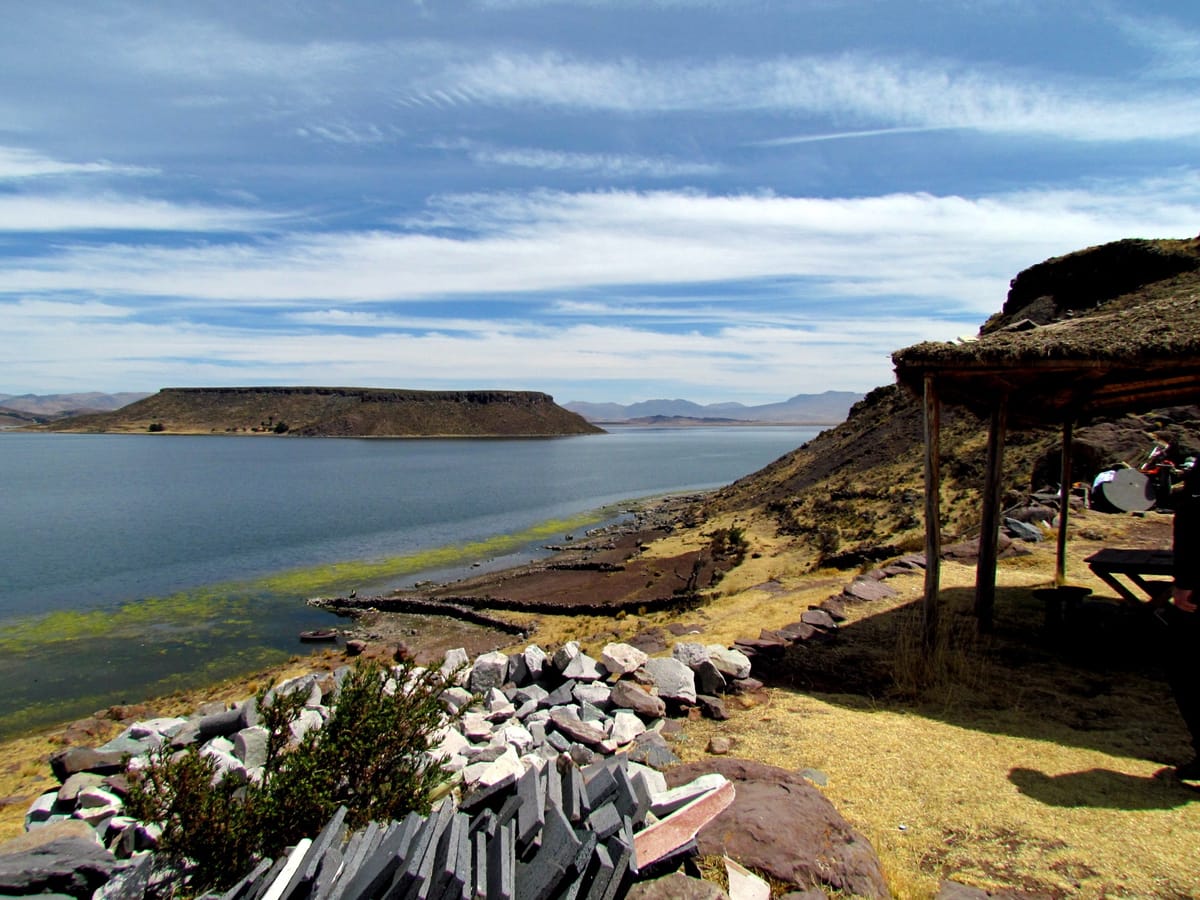
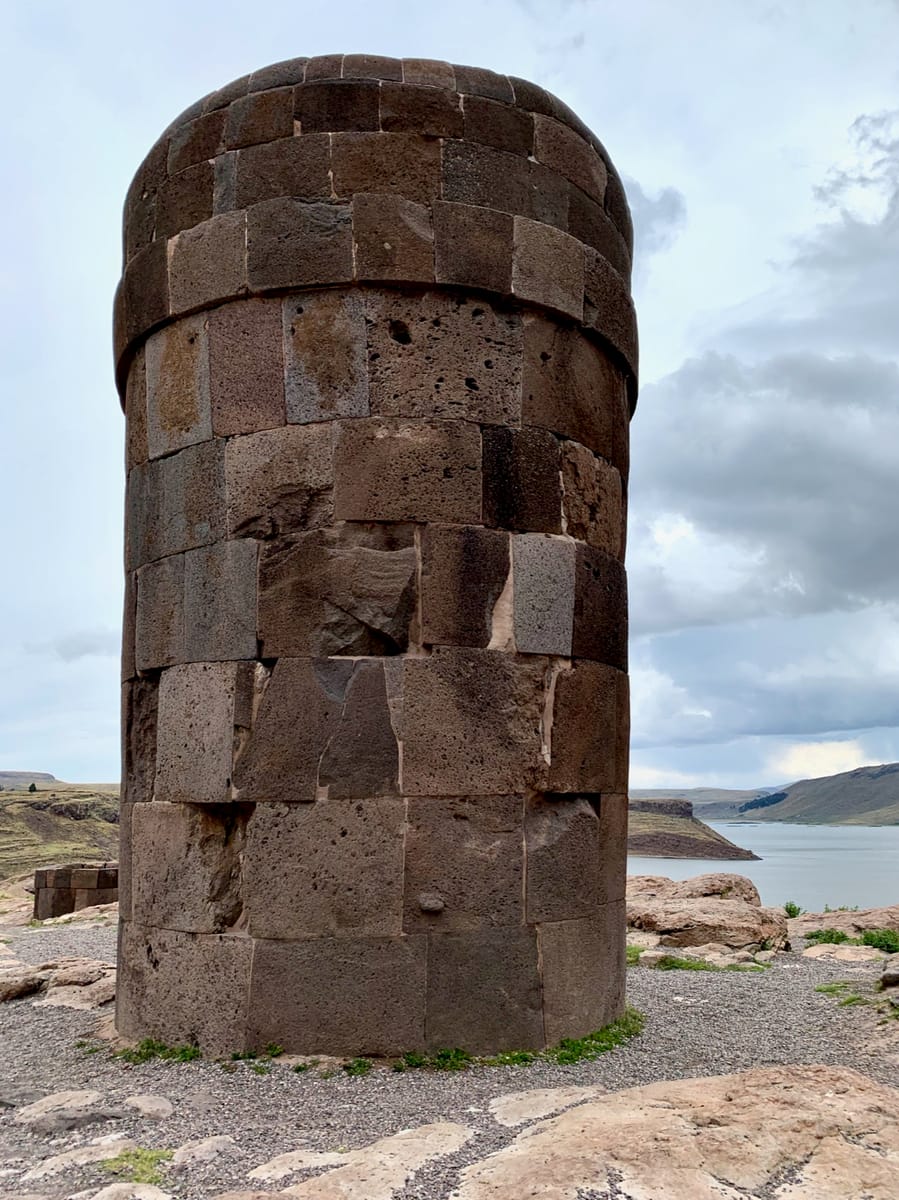
Sillustani is an ancient cemetery on a narrow peninsula reaching into Lake Umayo, on the high Altiplano of southern Peru, about 31 kilometers from the city of Puno and the shore of Lake Titicaca. It sits at roughly 3,900 meters above sea level and spreads across some 60 hectares of windswept, treeless upland. Scattered across the site are dozens of chullpas — tall, cylindrical stone towers built to hold the dead. A chullpa is an Andean funerary tower, a type of above-ground tomb raised for a noble person or an entire ruling lineage; the word comes from Aymara, the language of the peoples who spread these structures across the Titicaca basin. Sillustani holds the most famous and best-preserved concentration of them, roughly ninety recorded towers in a range of sizes and finishes. The tallest and most refined were built to an unusual profile: instead of tapering like a normal tower, they widen as they climb, so the uppermost course is broader than the base, giving the finest examples an arresting, almost top-heavy silhouette against the lake and sky. The towers were begun by the Colla, an Aymara-speaking kingdom that dominated this part of the Altiplano before the Inca, and the site continued in use after the Inca Empire absorbed the region in the 15th century, so Sillustani preserves both pre-Inca and Inca funerary architecture side by side.
The Structure
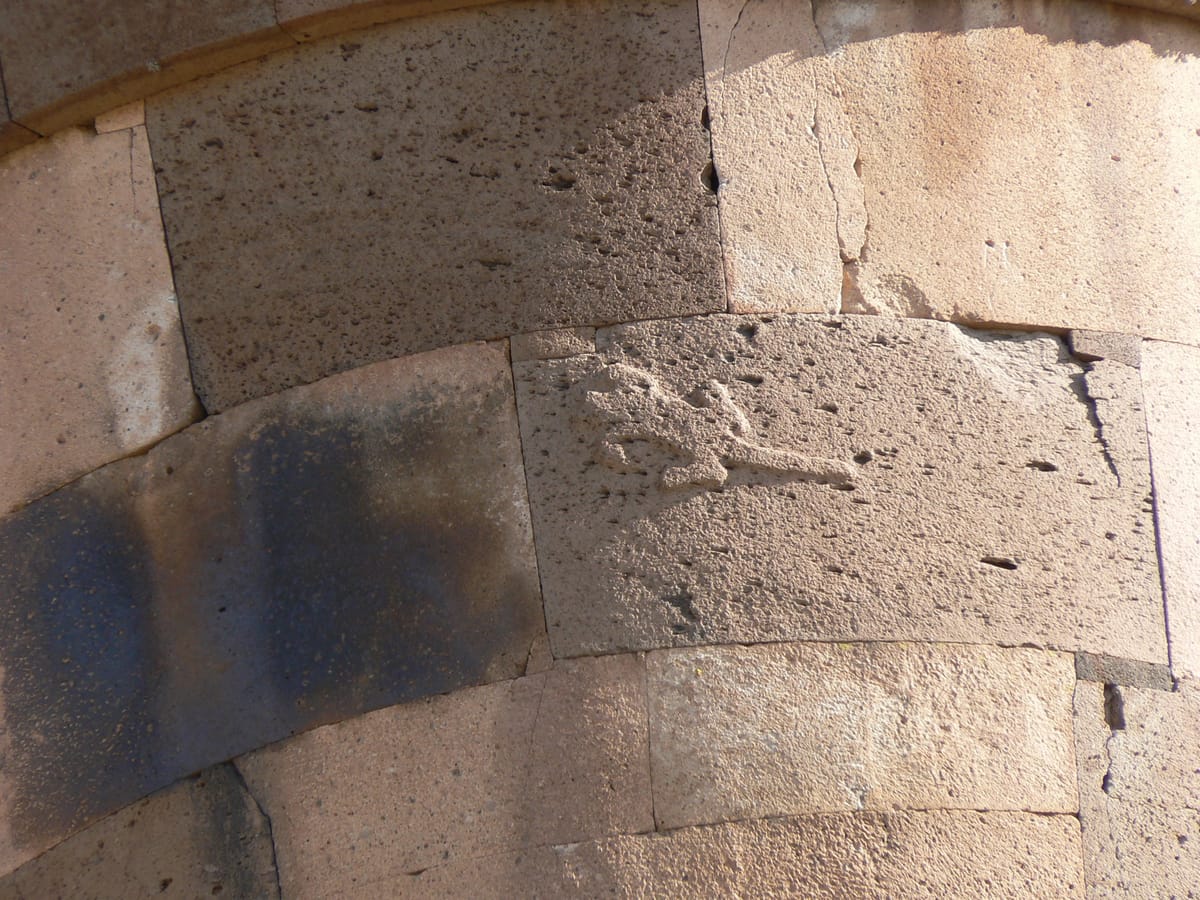
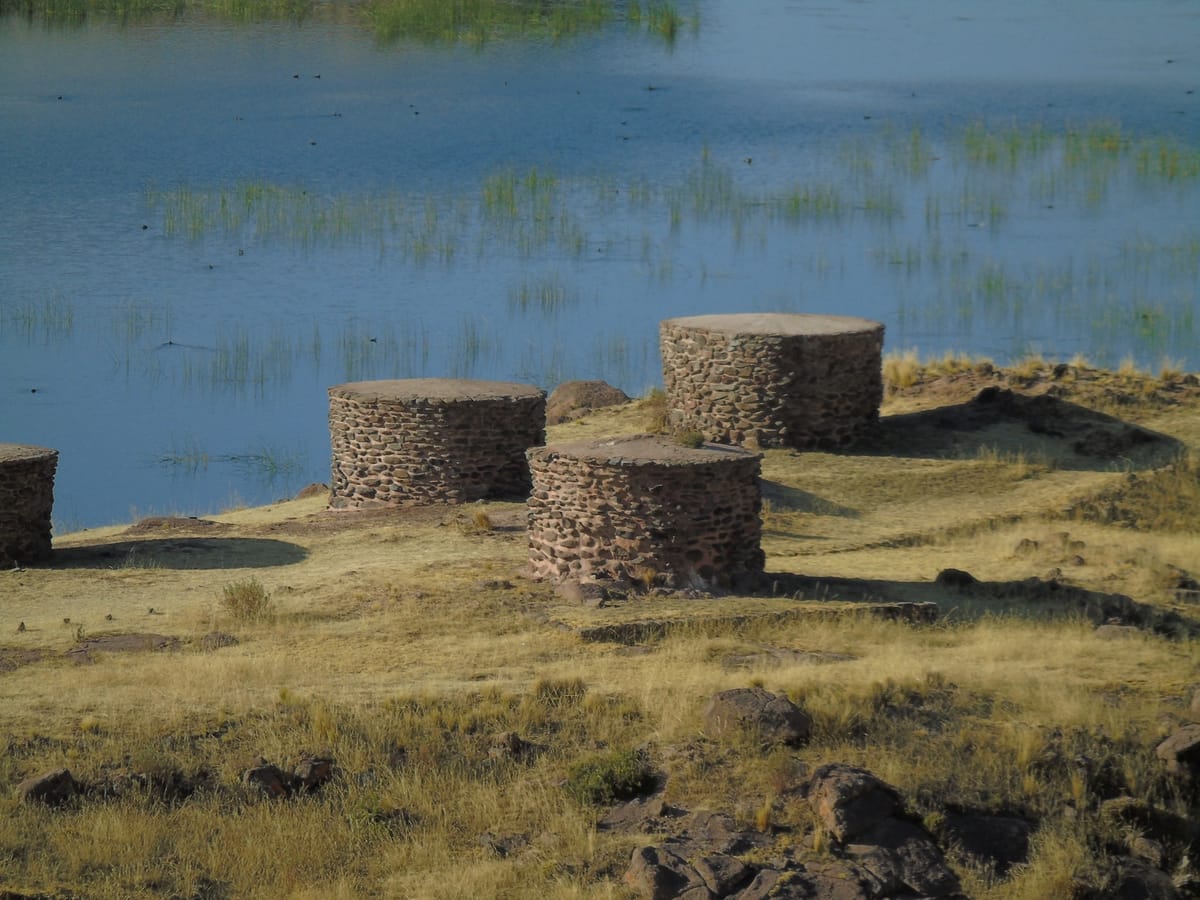
The Colla kingdom held the western Titicaca basin during the Late Intermediate Period, roughly the 12th to 15th centuries CE, before the Inca conquered the Altiplano and folded its peoples into the empire. Chullpas were the tombs of that society’s elite — mausoleums for high-ranking individuals and for kin groups linked by lineage, not graves for ordinary people. Inside each tower a burial chamber held one or more bodies, typically mummified and bound into funerary bundles in a tightly flexed, fetal position, accompanied by grave goods such as clothing, pottery, food, and everyday equipment meant to serve the dead. The only opening was a small, low entrance placed on the side facing the rising sun in the east, used to introduce the burial bundle before the chamber was sealed; in the Andean tradition the ancestors housed inside remained a living presence, visited and venerated by their descendants. Sillustani’s towers come in several forms — some built of roughly worked stone, some of finely dressed and fitted blocks, and some of mud coated with kaolinite clay — reflecting different periods, builders, and status. The largest and most celebrated is the Lizard Chullpa, standing about 12 meters tall with a base diameter of around 7.17 meters, named for a lizard relief carved into one of its blocks, a motif read in the region as a symbol of life and regeneration. The stone is local Altiplano rock, quarried nearby; unfinished blocks and quarry traces still survive around the site, along with at least one tower left incomplete.
How Was It Built?
The defining challenge at Sillustani is geometry. A tower that grows wider as it rises is inherently harder to build than one that tapers, because each higher course must cantilever slightly outward beyond the one below while the whole structure stays stable. The builders achieved this with corbelling — laying each ring of stone to project a little past the ring beneath it — so that the wall leans gradually outward to a top broader than its base, all without mortar to bind or brace the courses. Stability comes instead from the precision of the cutting and the weight of the stone above: on the finest towers the blocks are dressed to curved faces and fitted so tightly that, as at the great Inca walls of Cusco, a blade or sheet of paper struggles to find a gap between them. The heavy blocks were moved without wheels, draft animals, or lifting machinery. Instead, crews dragged and levered them into place and raised them along earthen ramps built against the growing tower, rolling and hauling the stones up as the structure climbed — a method preserved directly at Sillustani by an unfinished chullpa, where the internal construction ramp and partly built wall are still visible, with stones left where the work stopped. The interior and exterior were treated differently: inner chambers were raised from smaller or medium stones, while the outer facing received the larger, better-finished blocks that give the towers their polished look.
The Mainstream View
Archaeologists treat the chullpas of Sillustani as the work of skilled Andean masons operating within a well-documented tradition, not as an unexplained anomaly. The general sequence is clear: the Colla established the cemetery and its earlier, often rougher towers, and after the Inca conquest of the Titicaca basin under the emperor Pachacuti and his successors in the mid-15th century, the site remained in use, with towers built or refined in the distinctive Inca style of precisely fitted blocks. The construction techniques themselves are understood from the physical evidence on the ground — the quarries and half-worked blocks, the fitted dry-stone courses, the corbelled outward lean, and above all the unfinished tower that still displays its earthen ramp — which together show masons shaping hard stone with harder hammerstones, moving blocks by muscle, rope, and ramp, and stabilizing tall structures through careful fitting rather than mortar. The outward-flaring profile, striking as it is, is read as a deliberate architectural choice within the reach of these methods, executed by an organized society able to marshal the labor and craft a monumental tomb demanded. In this view Sillustani is remarkable for the quality and ambition of its stonework and for the vividness with which it records the building process, not for exceeding what Andean builders of the era are known to have been capable of.
The Open Case
What keeps Sillustani genuinely intriguing is less how the towers were raised — the ramp and the corbelling answer much of that — than the questions the site still leaves open. The chronology is not fully pinned down: separating which towers are Colla and which are Inca, and dating each phase precisely, is complicated by the long span of use, by reuse of the cemetery across generations, and by centuries of looting that emptied many chambers of the very bundles and offerings that would date them. Why the finest towers were built to widen as they rise, rather than taper for easier stability, is not settled either; the outward flare may carry symbolic meaning, may reflect the demands of the interior chamber, or may simply be a prized aesthetic, but the builders left no explanation. There is the added puzzle of durability: these mortarless towers stand at nearly 3,900 meters in the seismically active Andes, where the same subduction that raised the mountains still delivers earthquakes, and yet the best of them have kept their improbable top-heavy poise for centuries — a testament to how much stability dry fitting and corbelled geometry can achieve. Sillustani invites the visitor to stand beneath a tower broader at its crown than its foot and ask how it holds, but the honest answer points not to lost technology or otherworldly hands, so much as to Andean masons who understood their stone, their slopes, and their ramps well enough to make weight, friction, and precise cutting do the work that mortar and machines never did.
Sources
Gallery