Tagged “limestone”
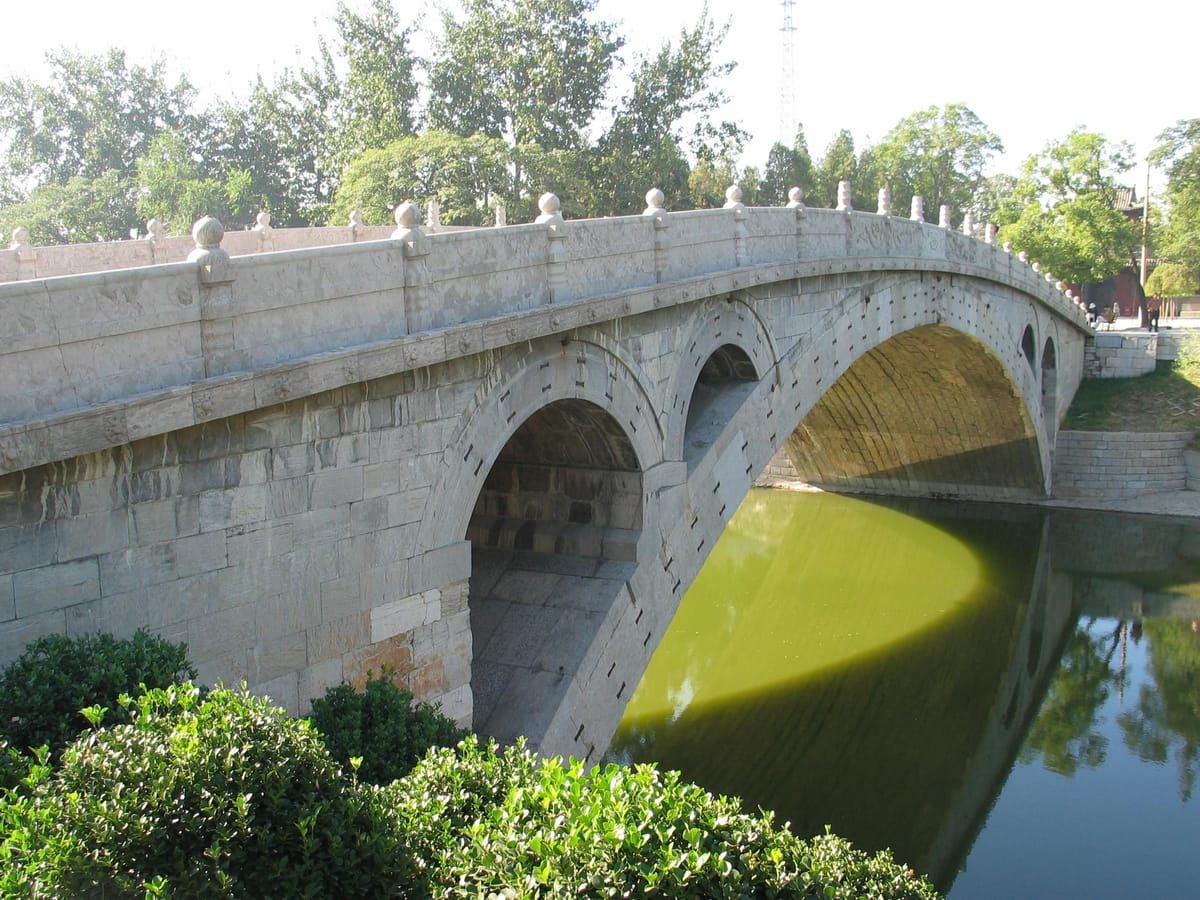
Anji Bridge (Zhaozhou Bridge)
How did a single Sui-dynasty craftsman conceive and cut a flattened, open-spandrel segmental stone arch — a bridge form the West would not build for another 700 years — and execute it so soundly that its 37-metre span still carries visitors more than 1,400 years later?
595–605 CE, Sui dynasty · Zhao County, Hebei, ChinaAdded July 2026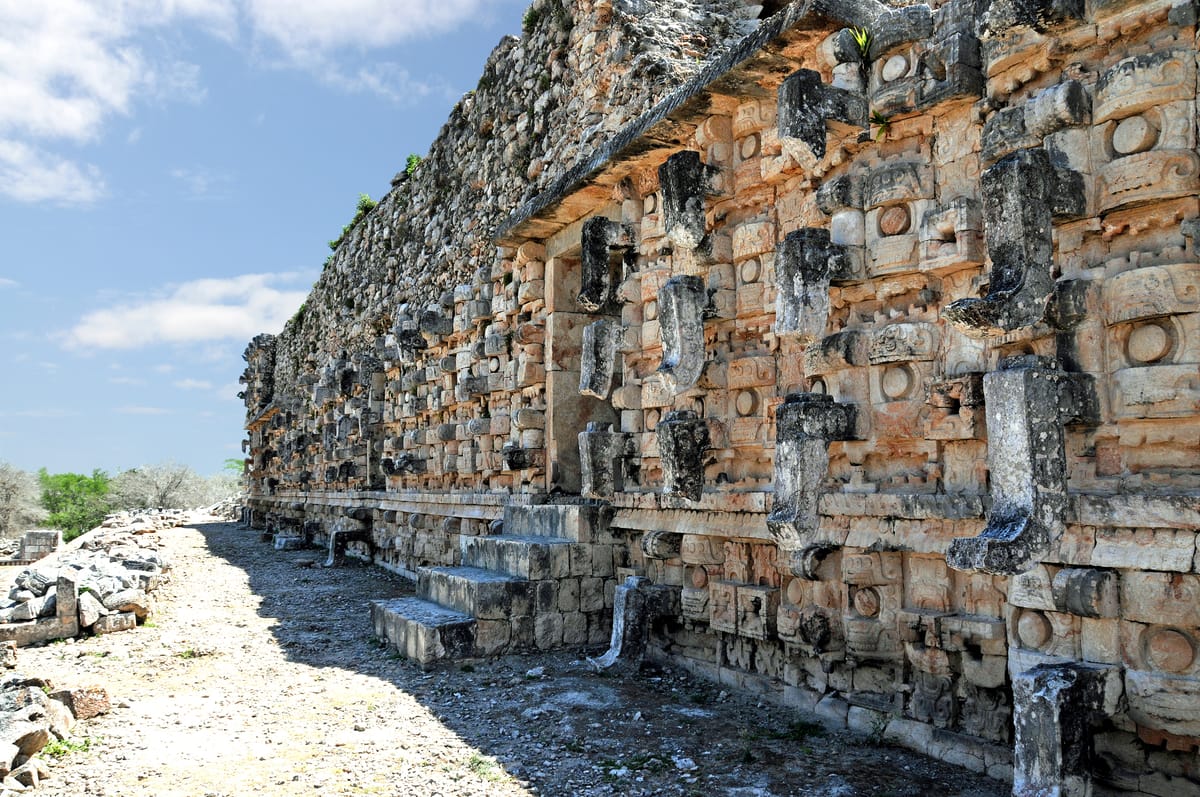 HIGH WONDER
Codz Poop (Palace of the Masks), Kabah
How did Kabah's masons cut, sort and fit thousands of interchangeable limestone elements — with no metal tools, no wheel and no surviving plan — into rank upon rank of near-identical god-masks covering an entire 53-metre façade?
c. 850-900 CE (Terminal Classic), with carved dates on the building itself read as 859 and 873 CE · Kabah, Yucatán, MexicoAdded July 2026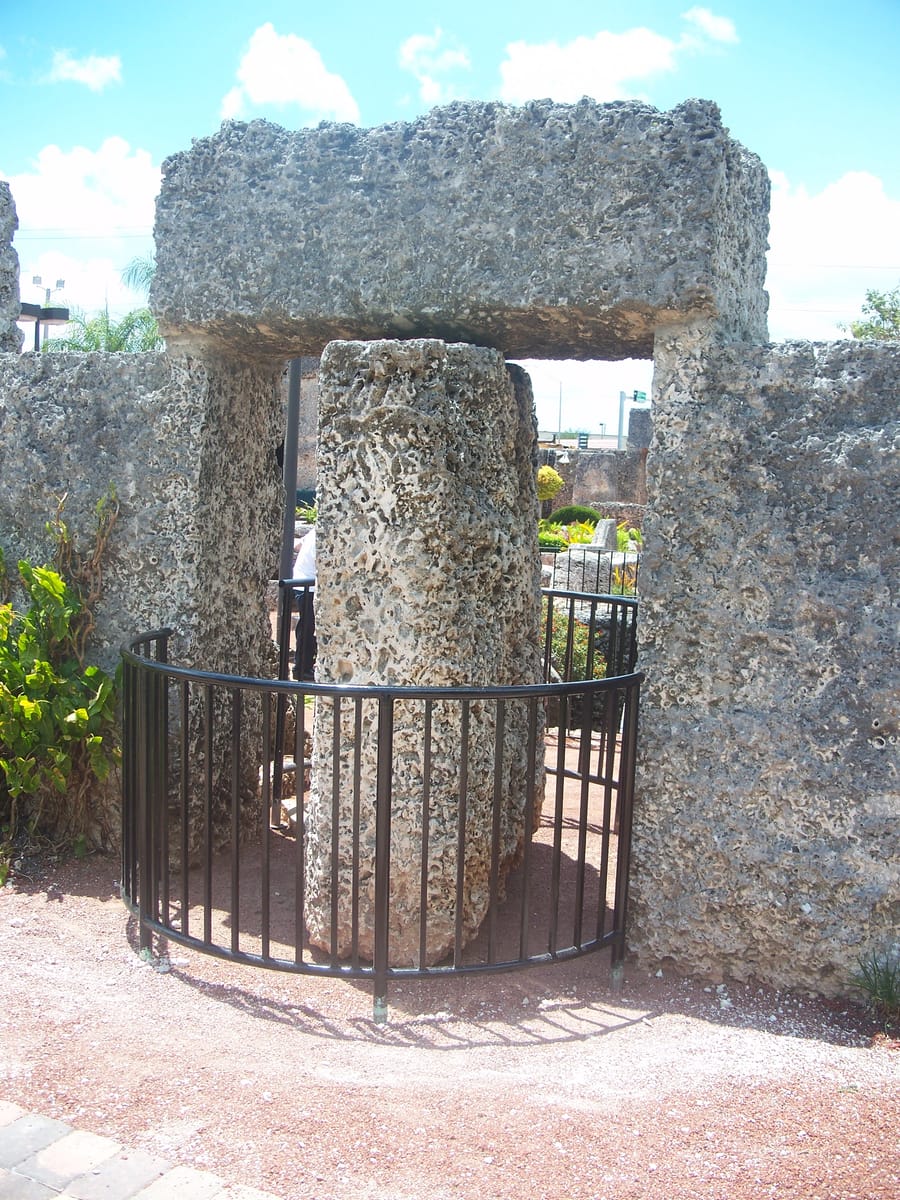
Coral Castle
How did one small, self-taught immigrant single-handedly quarry, carve, and set roughly 1,100 tons of limestone — including a 9-ton gate balanced so finely a child could push it — with no witnesses and no modern machinery?
1923–1951 CE (20th century) · Homestead, Miami-Dade County, Florida, United StatesAdded July 2026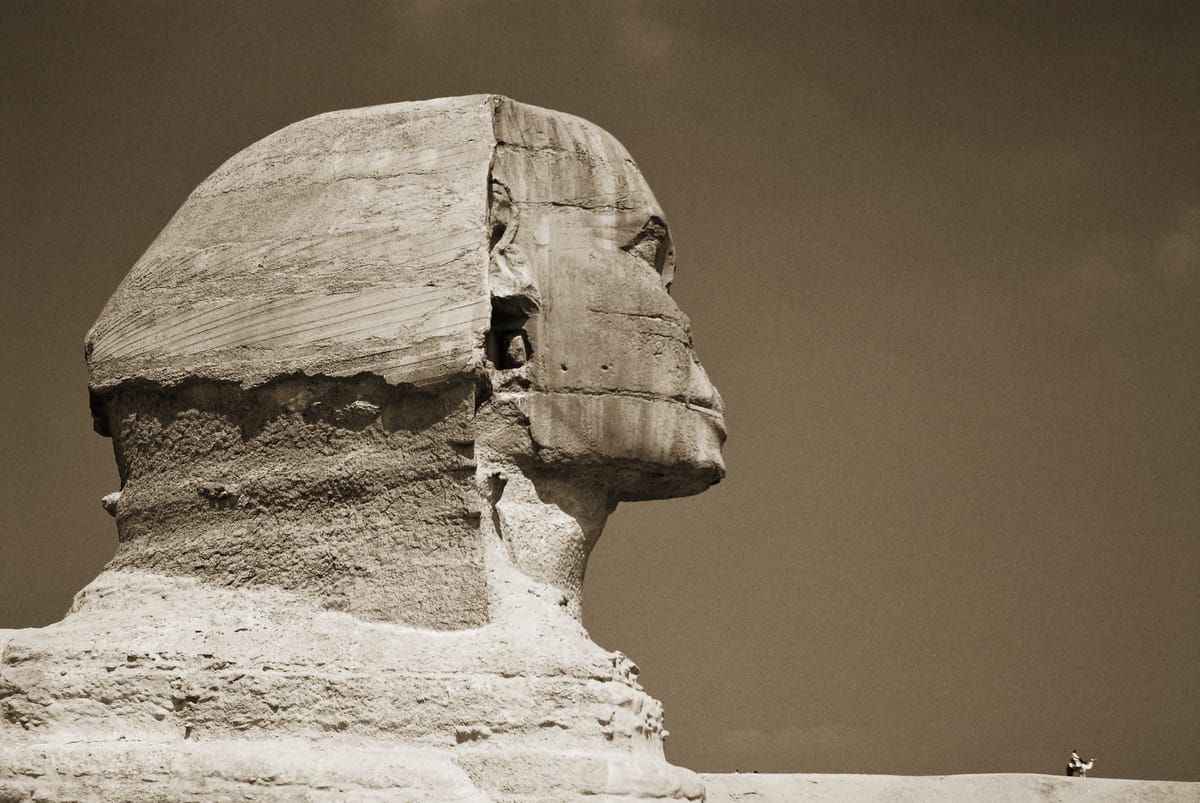
Great Sphinx of Giza
How did Old Kingdom Egyptians carve the largest monolithic statue of antiquity — a 73-metre human-headed lion — in place from a single limestone ridge, and why, four and a half thousand years later, can we still not name with certainty the pharaoh who ordered it?
c. 2500 BCE (Fourth Dynasty, reign of Khafre; dating debated) · Giza Plateau, Giza Governorate, EgyptAdded July 2026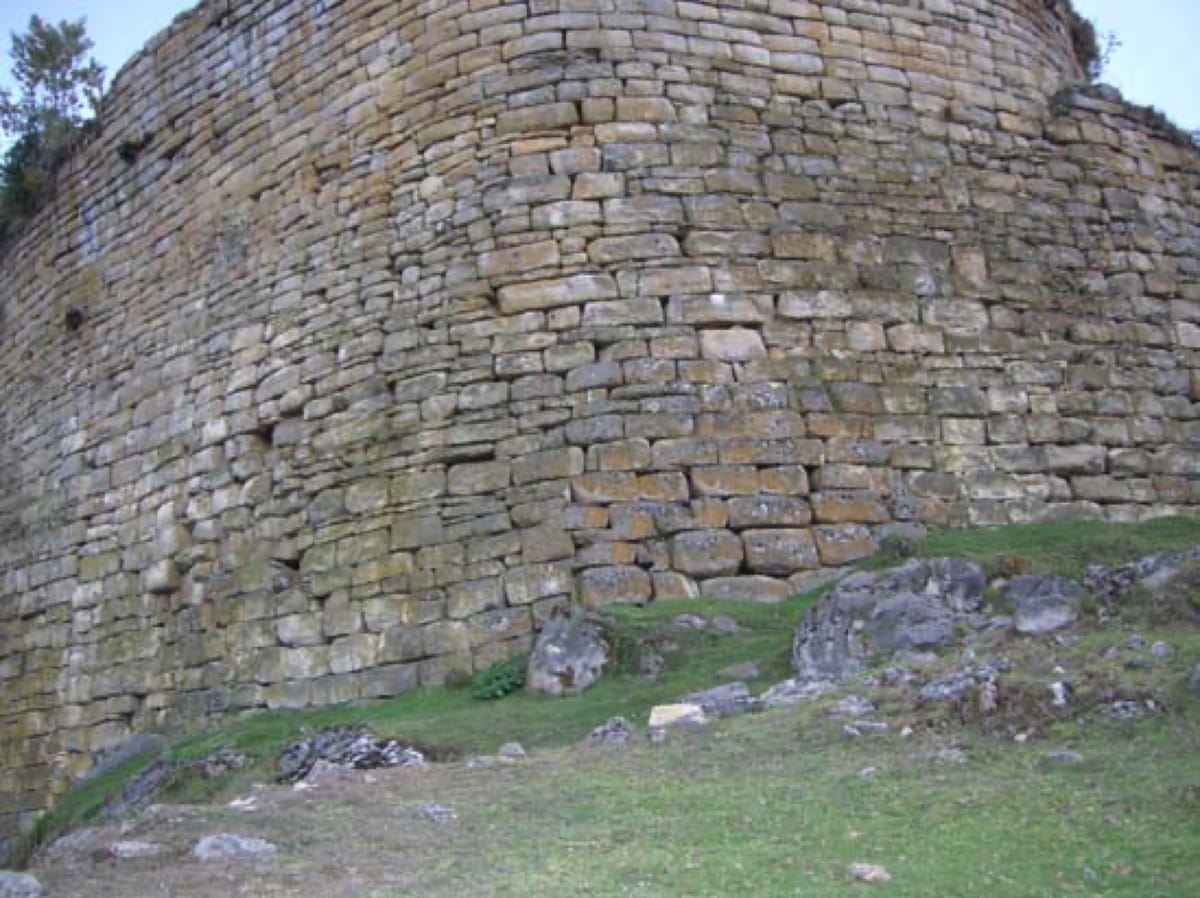 HIGH WONDER
Kuélap
How did a pre-Inca cloud-forest people, with no writing, no draft animals, and no iron tools, quarry and haul an enormous volume of limestone up to a 3,000-metre ridgetop and raise perimeter walls up to 20 metres high around more than 400 stone houses — and why did they wrap a mountaintop settlement in defences on that scale?
main construction c. 900–1100 CE, on a site first occupied around the 6th century (Chachapoya culture) · Kuélap, near Tingo, Luya Province, Amazonas Region, PeruAdded July 2026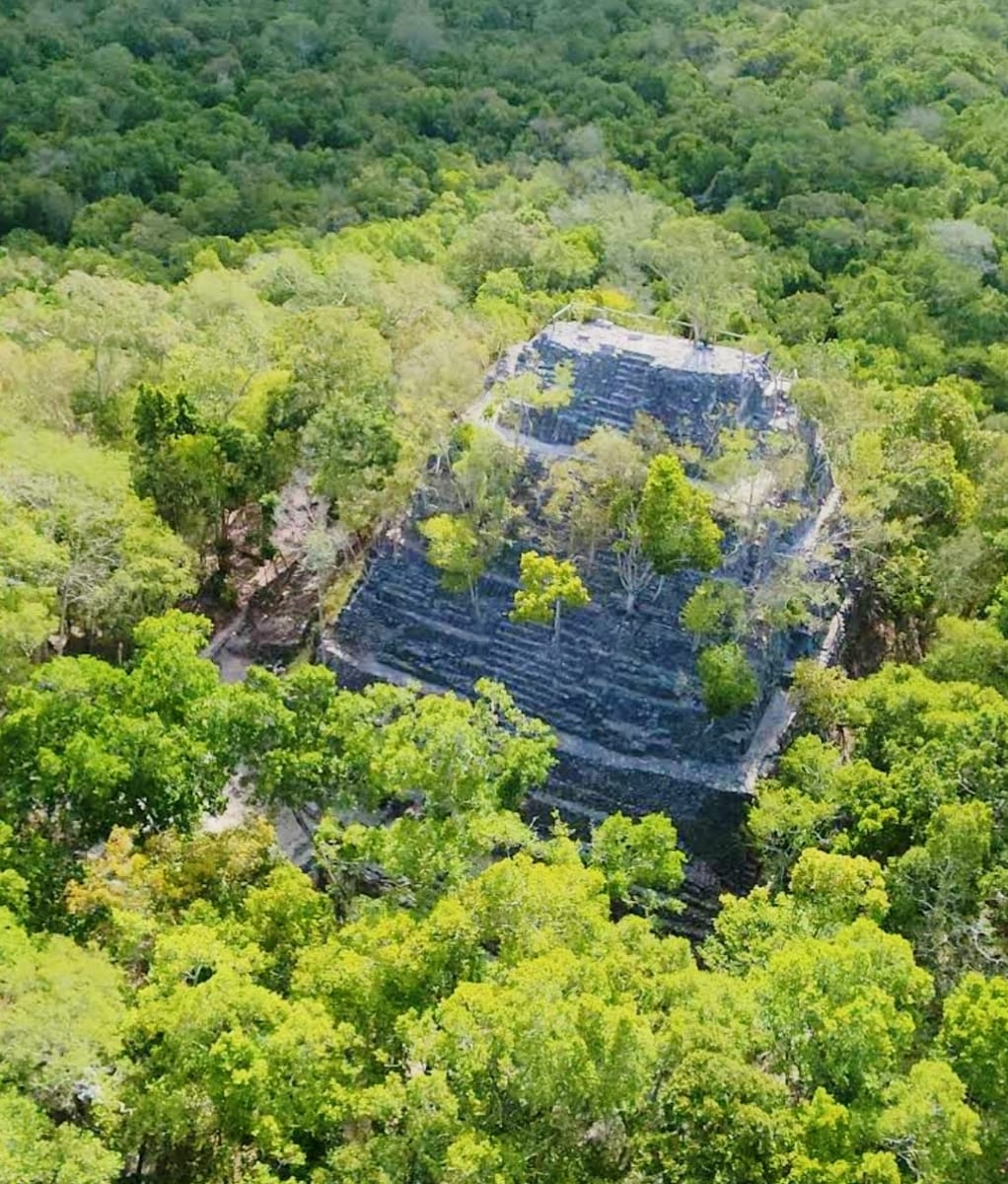 MUST READ
La Danta, El Mirador
How does a society with no metal, no wheeled transport and no draft animals move roughly 2.8 million cubic metres of stone in a seasonal swamp with no rivers — and do it centuries before the Classic Maya were supposed to be capable of organising anything on that scale?
c. 300 BCE - 150 CE (Late Preclassic), at a site occupied from the 6th century BCE and at its peak in the 3rd century BCE · El Mirador, Petén Department, GuatemalaAdded August 2026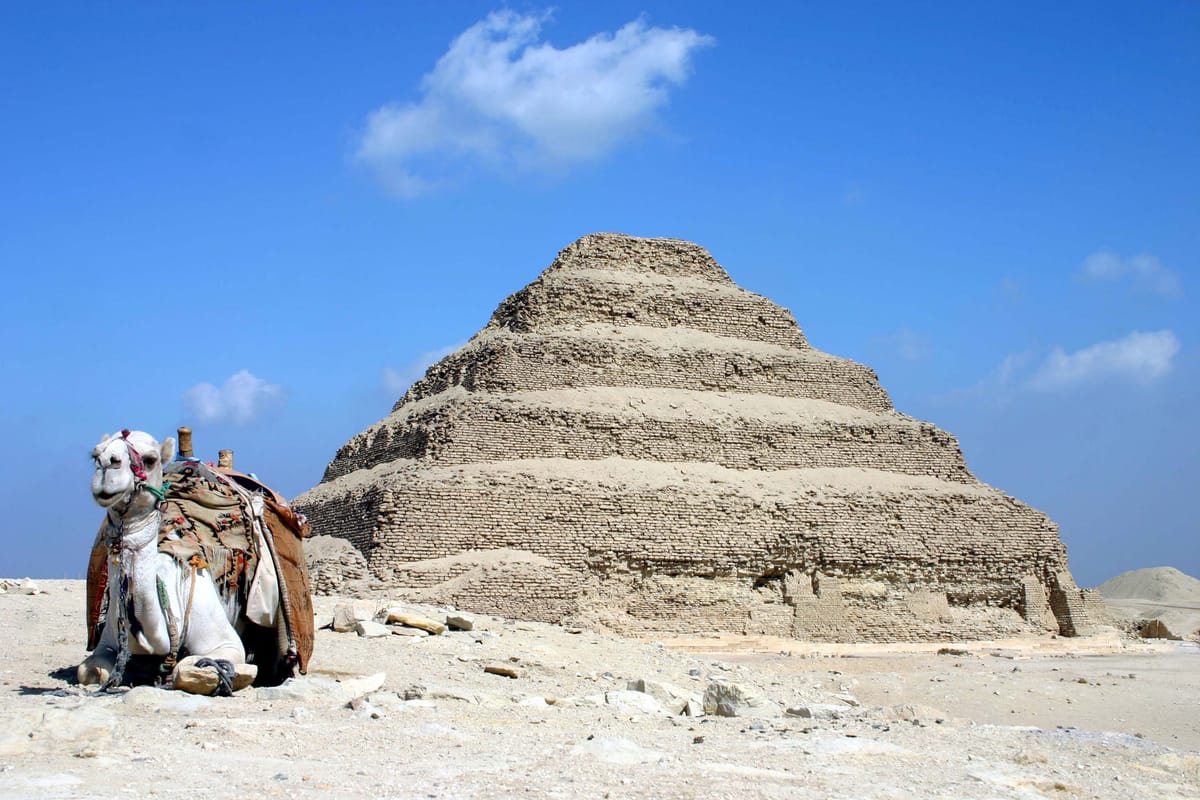
Step Pyramid of Djoser
How did Egyptian builders make the leap from mudbrick tombs to the world's first monumental building in cut stone — a six-tiered, ~60-metre pyramid raised in stages by a single named architect, Imhotep — and why did they choose to do it here, all at once?
c. 2670 BCE (Third Dynasty, reign of Djoser) · Saqqara, near Memphis, EgyptAdded July 2026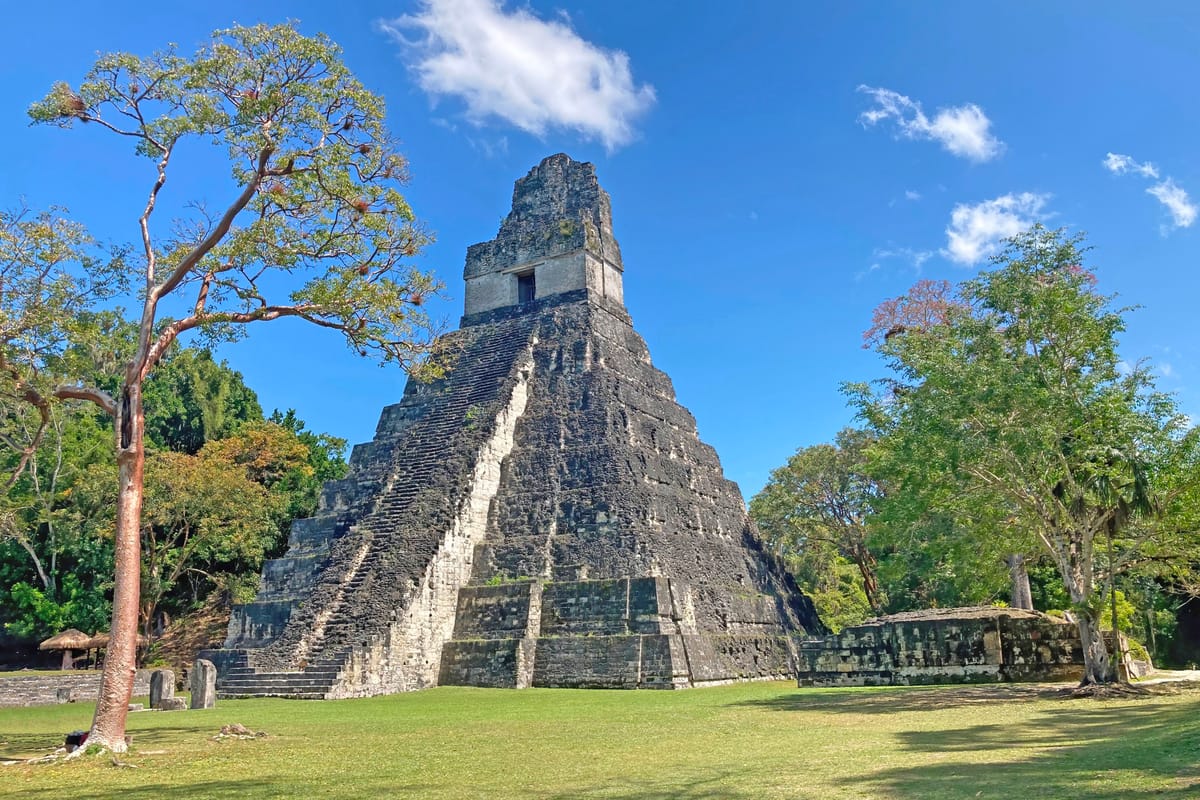
Tikal Temple I
How do you bury a king with a 3.9-kilogram jade necklace and a bundle of inscribed bones at the bottom of a hole, then raise fifty-five metres of limestone on top of him — and cut the doorway lintels from a wood that is still holding thirteen centuries later?
c. 732 CE (Late Classic), raised after the death of Jasaw Chan Kʼawiil I in 734 and completed under his son · Tikal, Petén Department, GuatemalaAdded August 2026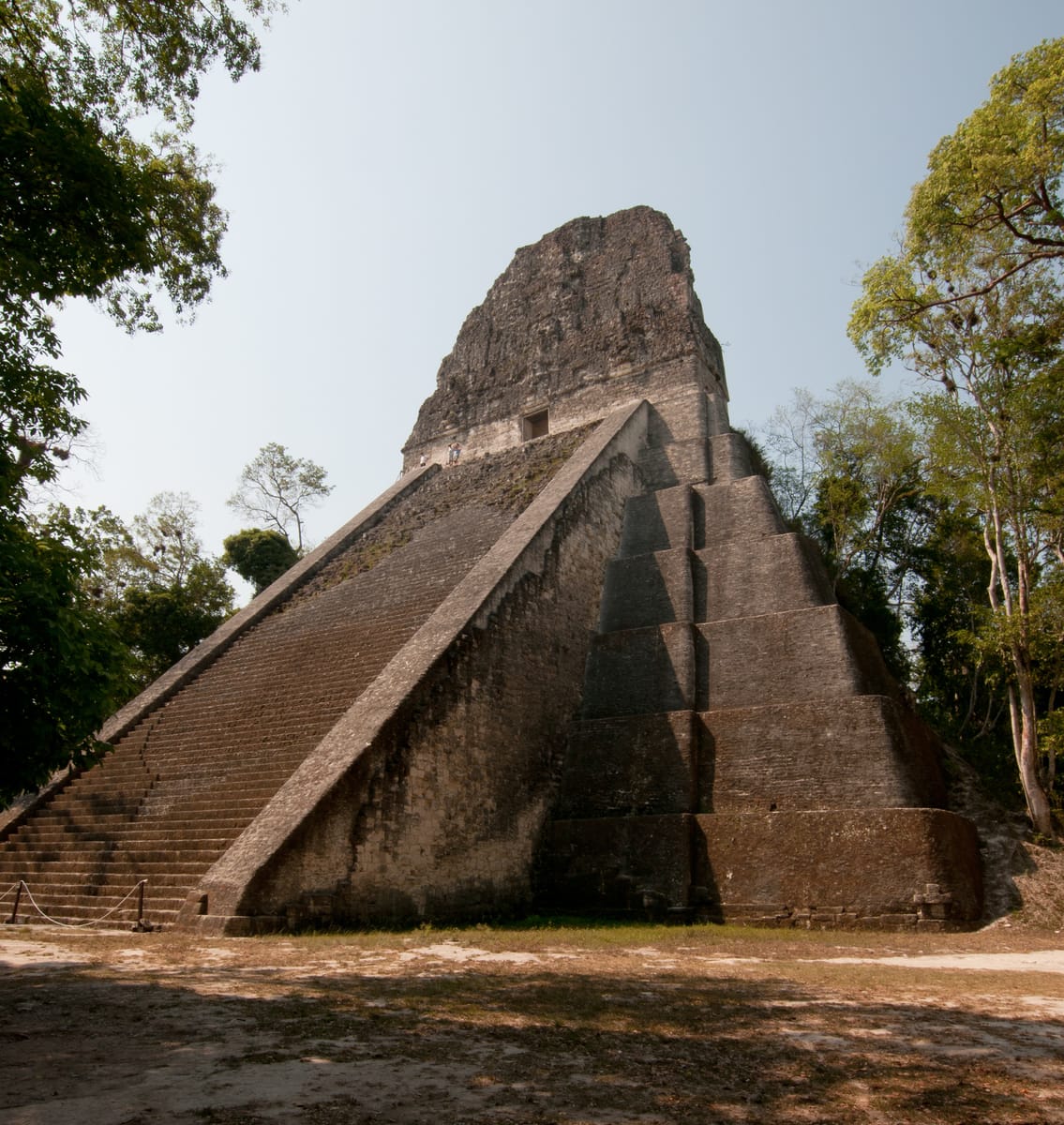 HIGH WONDER
Tikal Temple V
Why raise 57 metres of solid limestone — the second-tallest thing at Tikal — to carry a summit room less than a metre deep, sealed behind a rear wall nearly five metres thick?
c. 650-700 CE (Late Classic); radiocarbon centres on c. 700 CE, while associated ceramics point to the reign of Nuun Ujol Chaak in the second half of the 7th century · Tikal, Petén Department, GuatemalaAdded August 2026