Tagged “bronze-age”
 HIGH WONDER
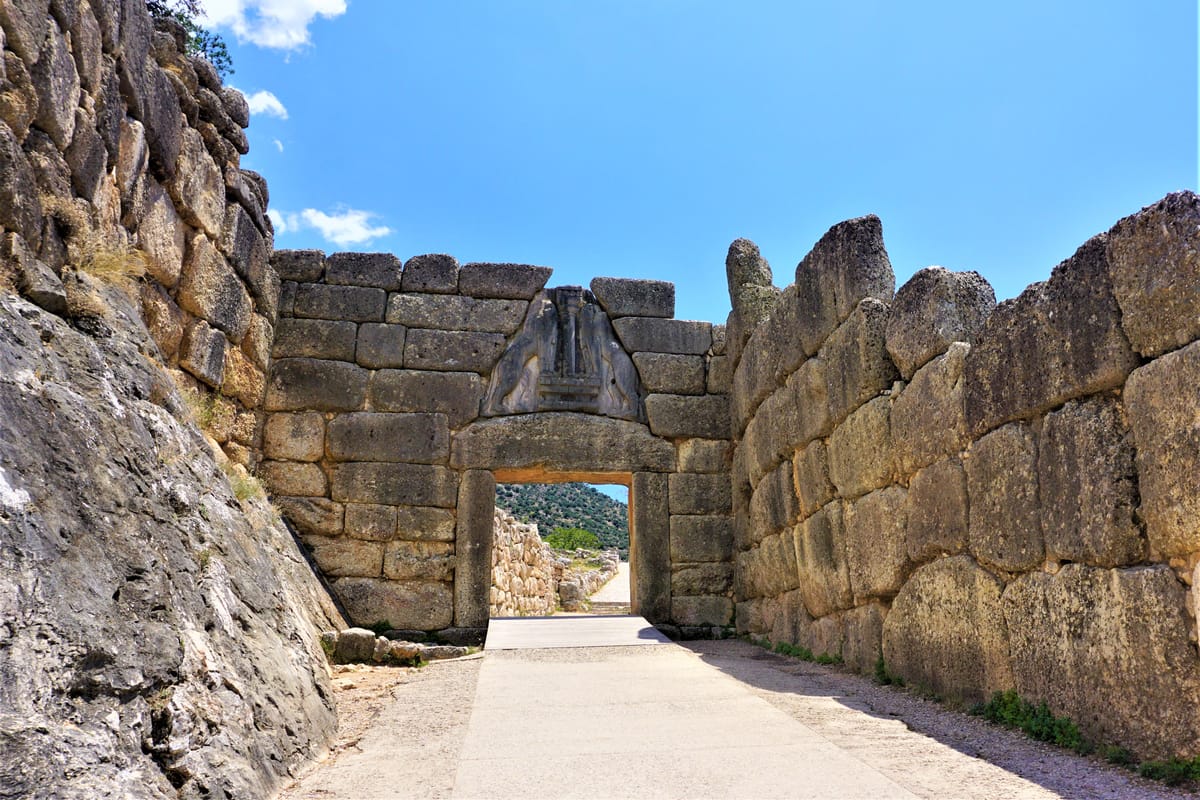
Cyclopean Walls and the Lion Gate of Mycenae
How did Late Bronze Age builders working without iron tools, pulleys, or draft-animal cranes quarry, move, and raise limestone blocks weighing many tonnes each — including an roughly 18-tonne lintel over the Lion Gate — into fortification walls so massive that Iron Age Greeks themselves could only credit the mythical one-eyed Cyclopes?
14th-13th century BCE (Late Bronze Age / Mycenaean palatial period) · Mycenae, Argolis, Peloponnese, GreeceAdded July 2026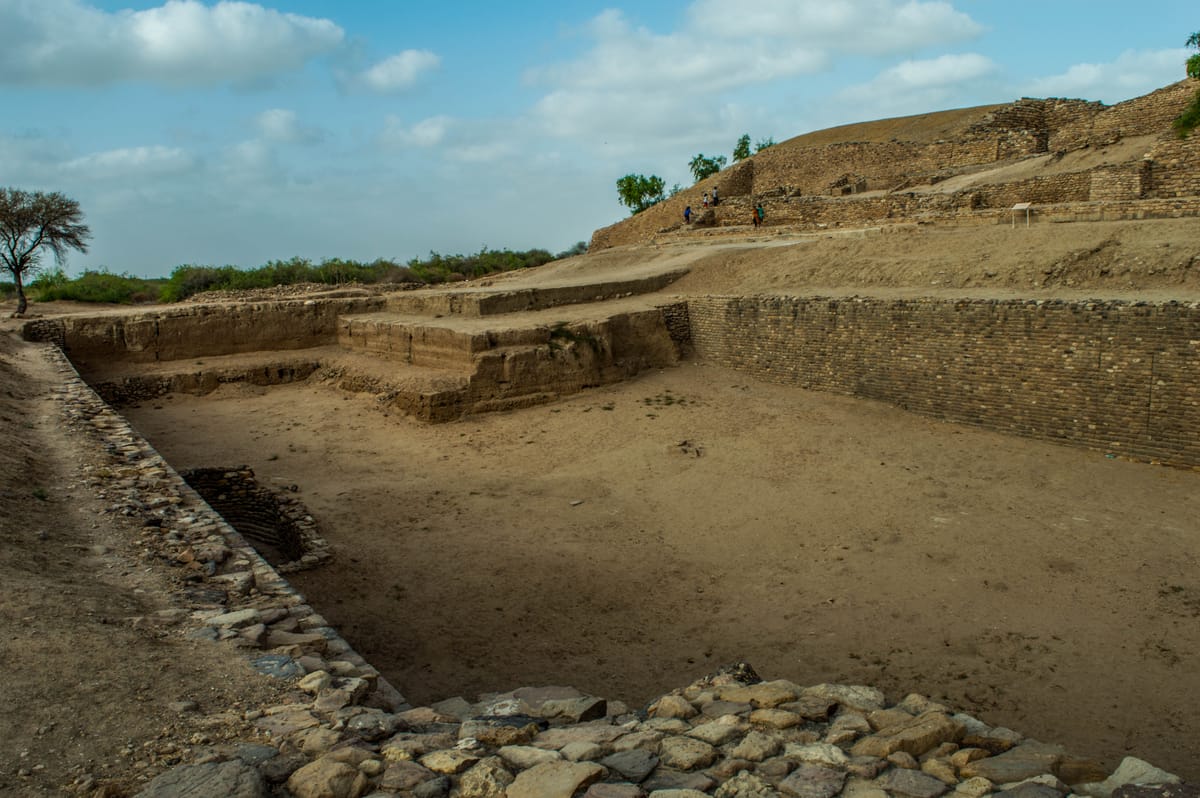
Dholavira
How did a Bronze Age community with only hand tools survive for well over a millennium on a parched salt-desert island by engineering one of the world's earliest city-scale water systems - and why, after all that ingenuity, was Dholavira eventually abandoned?
c. 3000-1450 BCE (Harappan) · Khadir Bet, Kutch district, Gujarat, IndiaAdded July 2026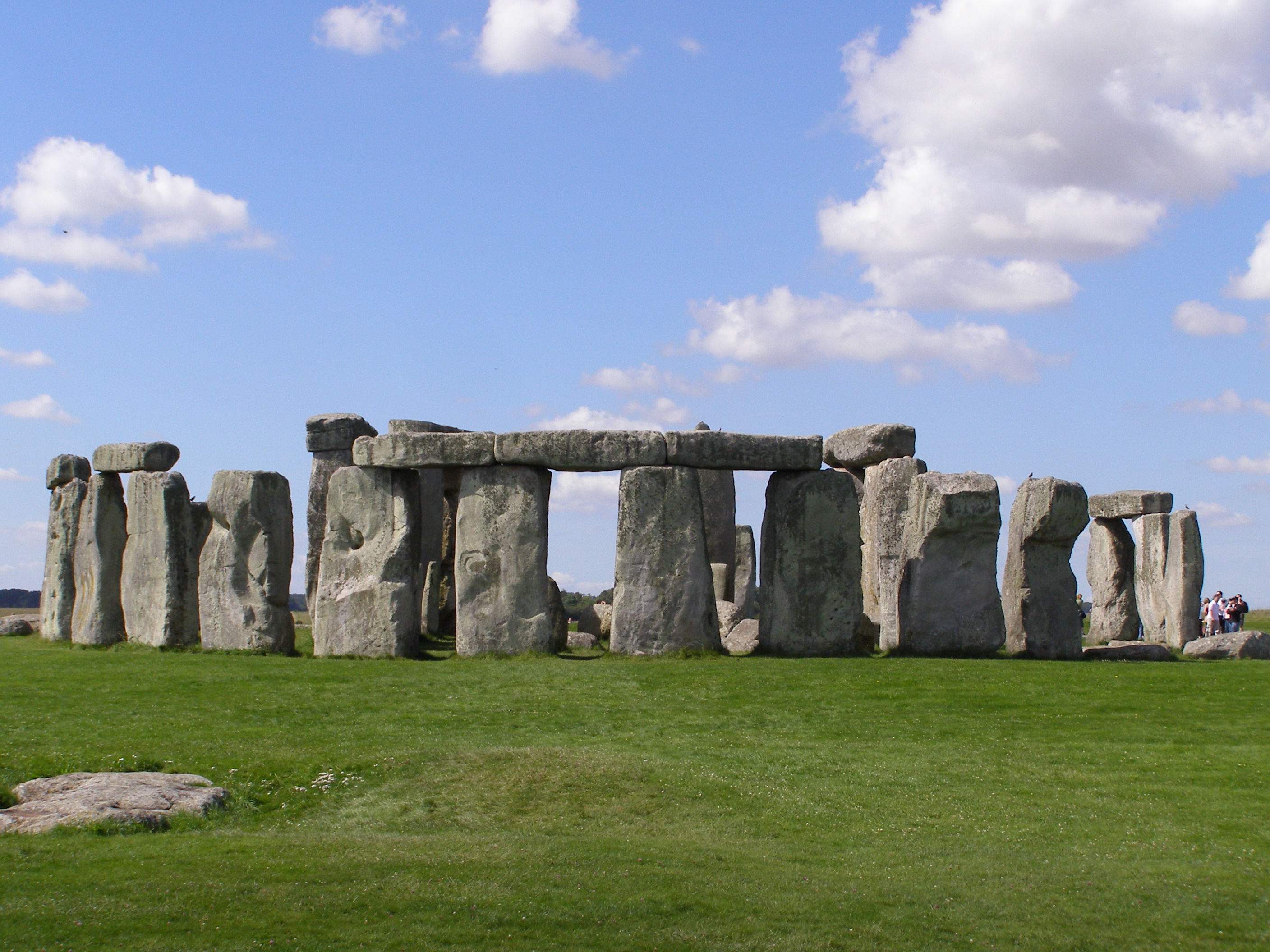 MUST READ
Stonehenge
How did people without wheeled transport, draft animals, or metal tools quarry, move, and precisely erect stones weighing up to 30 tonnes from as far as Wales and Scotland, and what was the monument actually for?
c. 3000-1600 BCE (Neolithic to Bronze Age) · Salisbury Plain, Wiltshire, EnglandAdded July 2026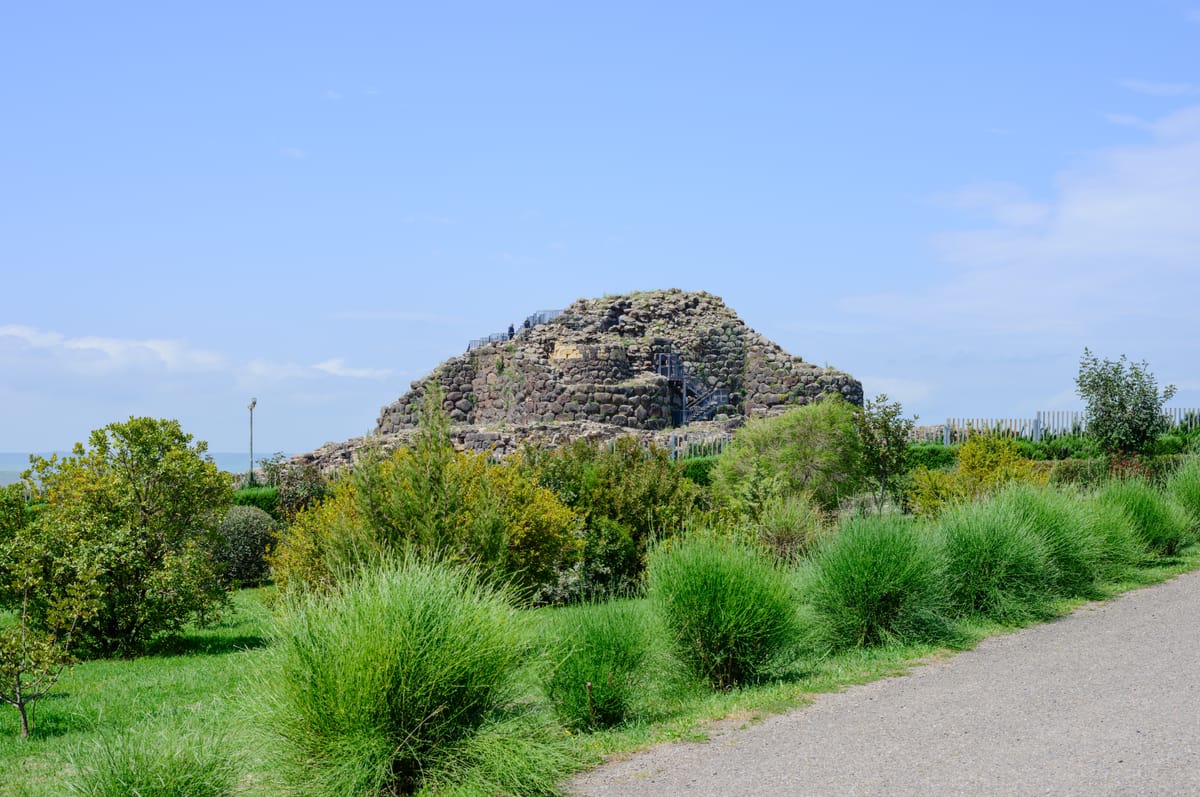 HIGH WONDER
Su Nuraxi di Barumini
A Bronze Age people who left no writing covered Sardinia with some 7,000 dry-stone towers, then grew this one from a single keep into a walled bastion and town — so what were the nuraghi actually for, and who exactly built them?
c. 1600–1200 BCE, Bronze Age (later expanded) · Barumini, Sardinia, ItalyAdded July 2026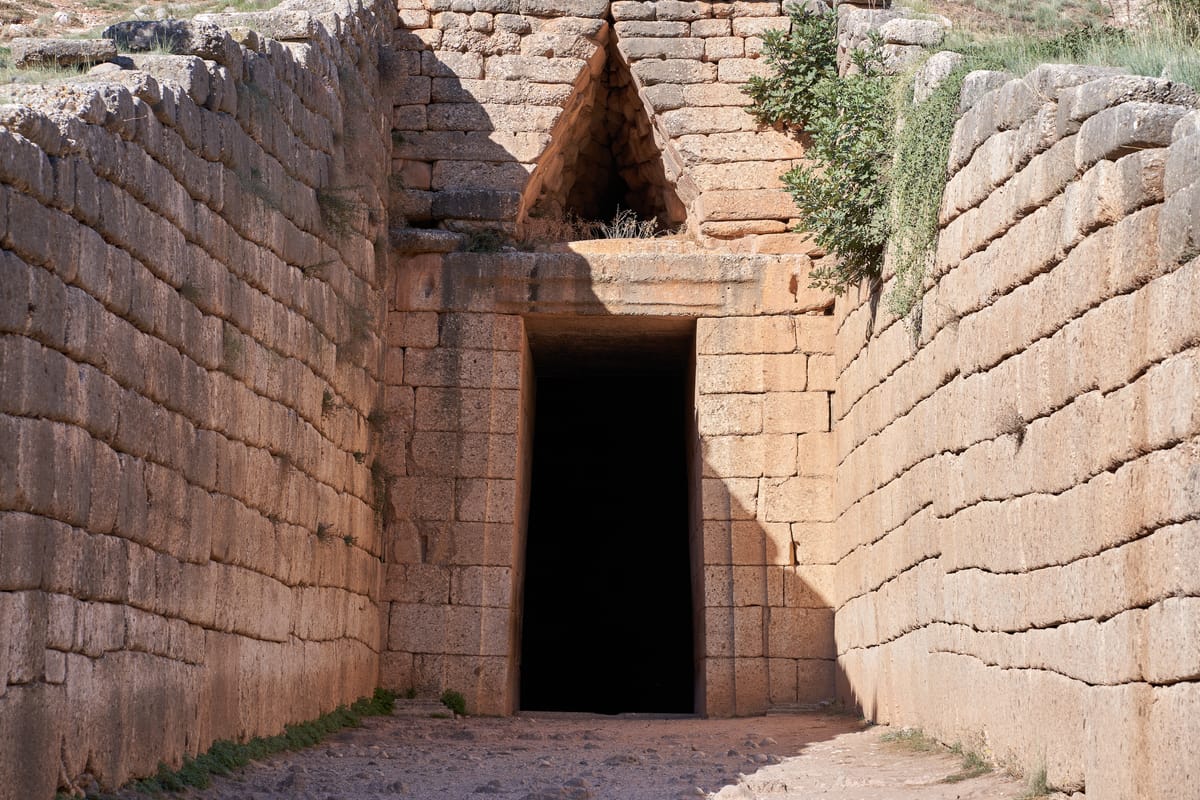 HIGH WONDER
The Treasury of Atreus
Corbelled roofs everywhere else in the ancient world stall out around five metres, because a false dome has no keystone to fight the span — so how did Bronze Age masons at Mycenae close one 14.5 metres across, and set a single 120-tonne lintel above its door, without iron, pulleys or a crane?
c. 1400–1250 BCE, Late Bronze Age (Late Helladic III) · Mycenae, Argolis, GreeceAdded July 2026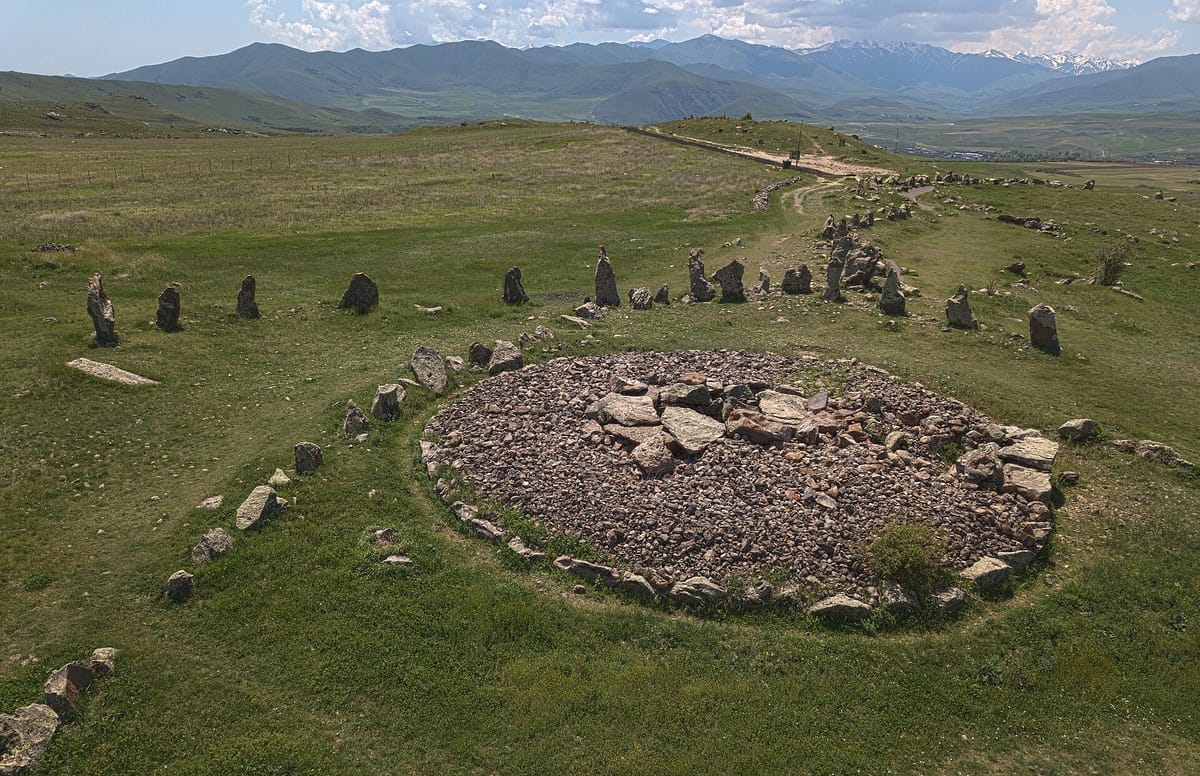
Zorats Karer (Karahunj)
Were the smooth bored holes in dozens of these standing stones deliberate sightlines onto the sky, or features of a burial and settlement site whose astronomical meaning has been read into it after the fact — and how old is the site really?
Middle Bronze Age to Iron Age (mainstream necropolis dating); much older observatory claims (c. 5500 BCE) are disputed and not accepted by most archaeologists · Near Sisian, Syunik Province, ArmeniaAdded July 2026