Tagged “rock-cut”
 HIGH WONDER
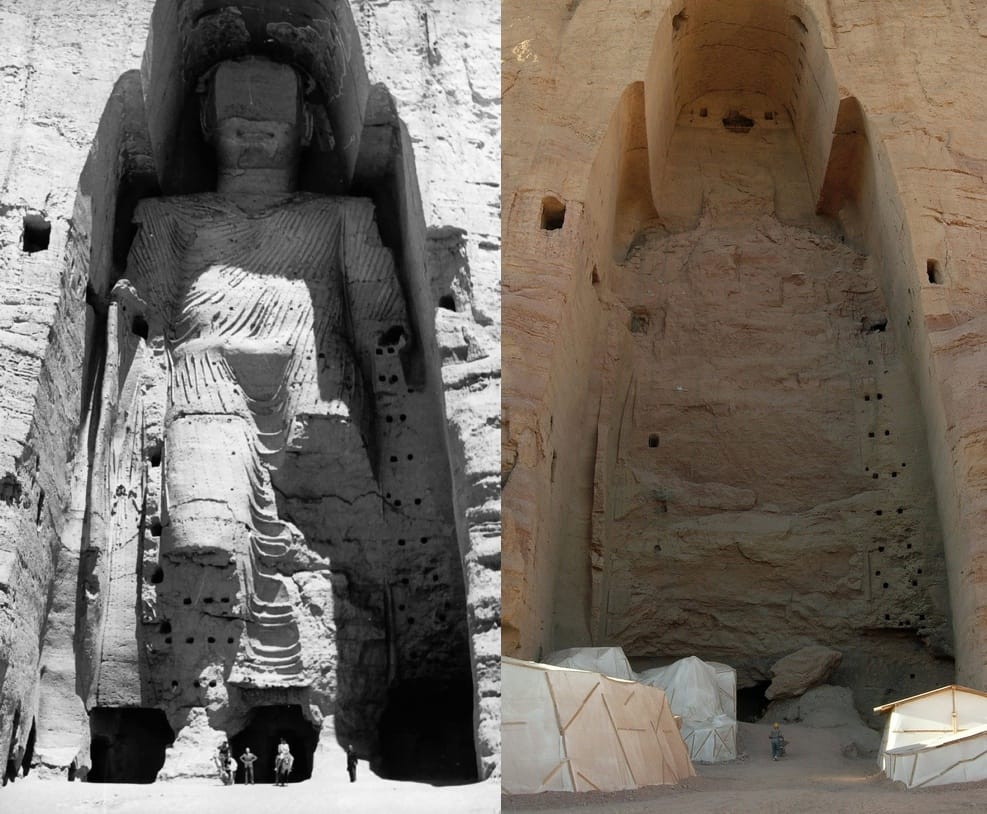
The Buddhas of Bamiyan
How do you carve the two largest standing Buddhas on Earth out of a cliff so weak it crumbles under a tenth of the load ordinary concrete carries — and how much of what stood there for fourteen centuries was actually rock at all?
c. 544-595 CE (Eastern Buddha) and c. 591-644 CE (Western Buddha), by radiocarbon dating · Bamyan Valley, Bamyan Province, AfghanistanAdded August 2026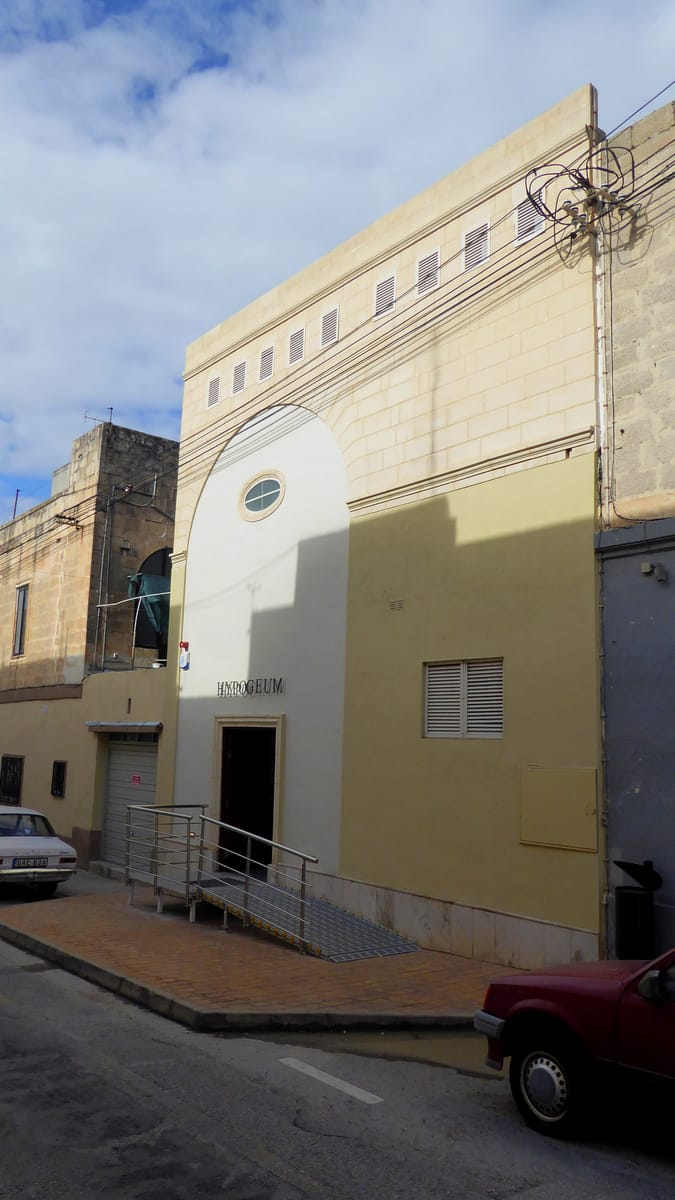 HIGH WONDER
Ħal Saflieni Hypogeum
How did Neolithic Maltese communities, working only with stone, flint, chert, obsidian and antler tools, cut three precisely organized underground levels — including chambers that mimic the island's above-ground megalithic temples and a chamber with striking acoustic resonance — and what was the Hypogeum's exact ritual meaning to the people who used it?
c. 4000–2500 BCE, Malta's Neolithic Temple Period · Paola, MaltaAdded July 2026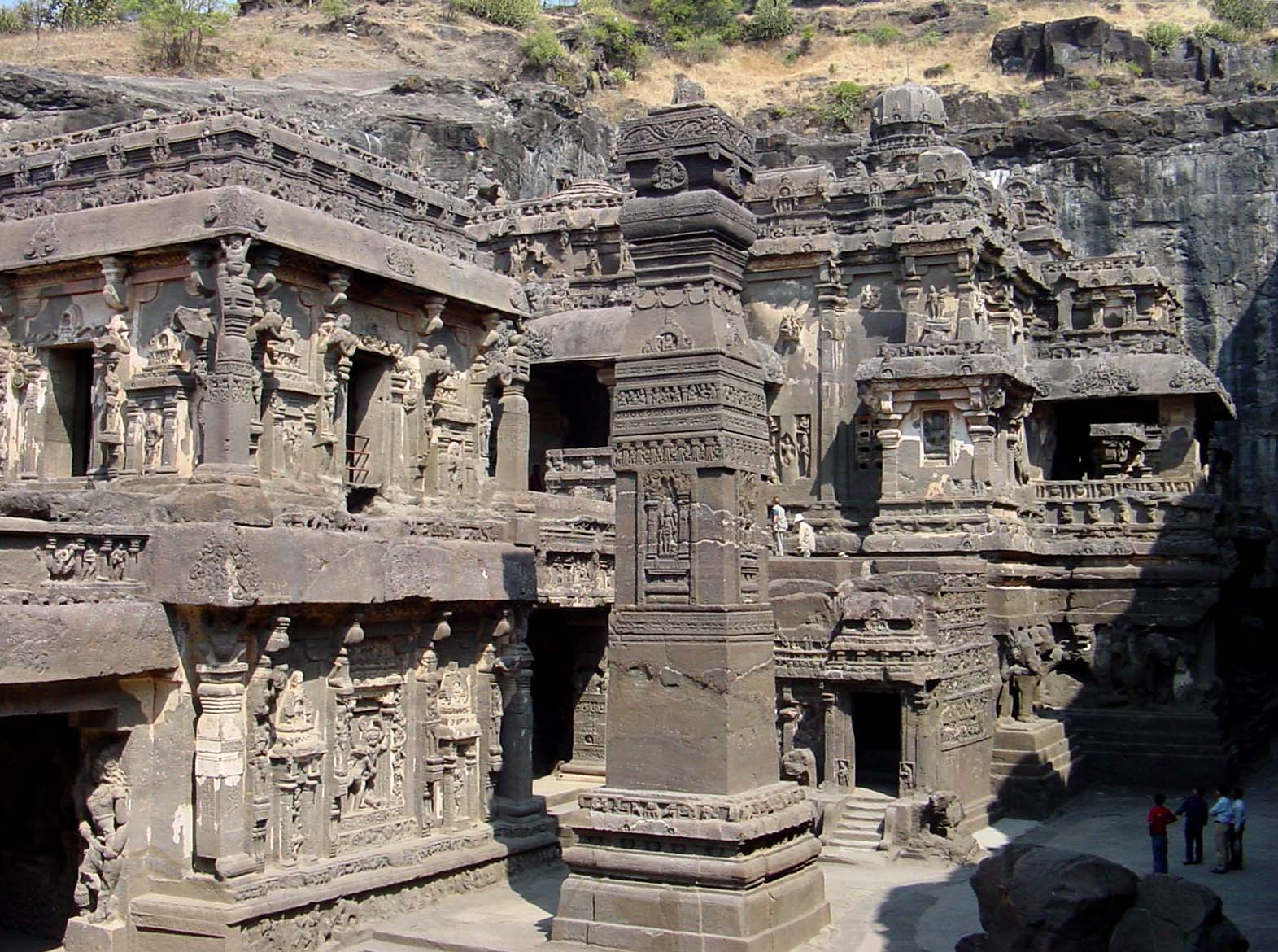 MUST READ
The Kailasa Temple
How was an entire multi-storey temple carved top-down from a single rock, with no room to correct a mistake?
c. 757-783 CE (reign of Krishna I) · Ellora, Maharashtra, IndiaAdded July 2026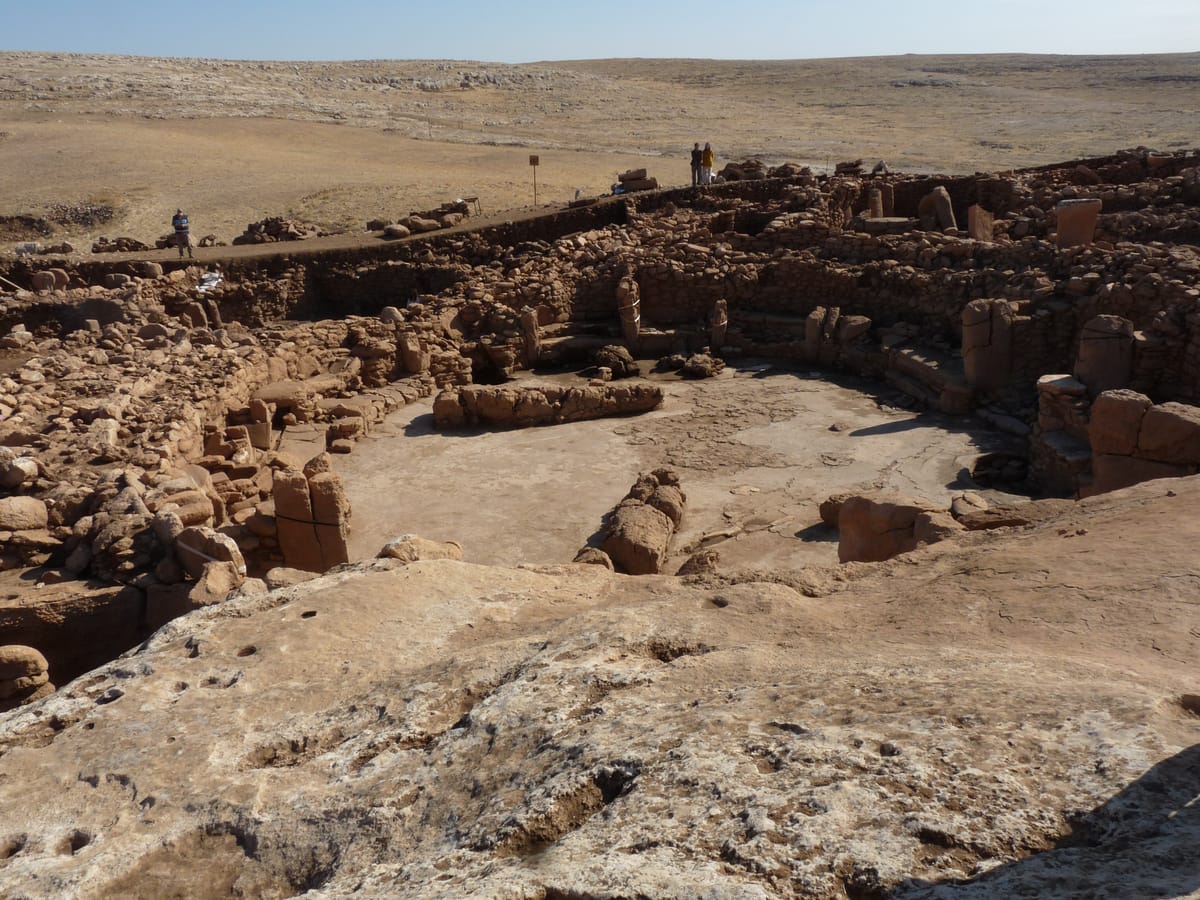 MUST READ
Karahan Tepe
How did a community with no metal tools, agriculture, or pottery organize the labor to carve hundreds of T-shaped pillars and an entire chamber of monumental pillars directly out of the bedrock, and what did the room's carved head and snake mean to them?
c. 9500-8200 BCE (Pre-Pottery Neolithic A/B) · Şanlıurfa Province, Southeastern Anatolia, TürkiyeAdded July 2026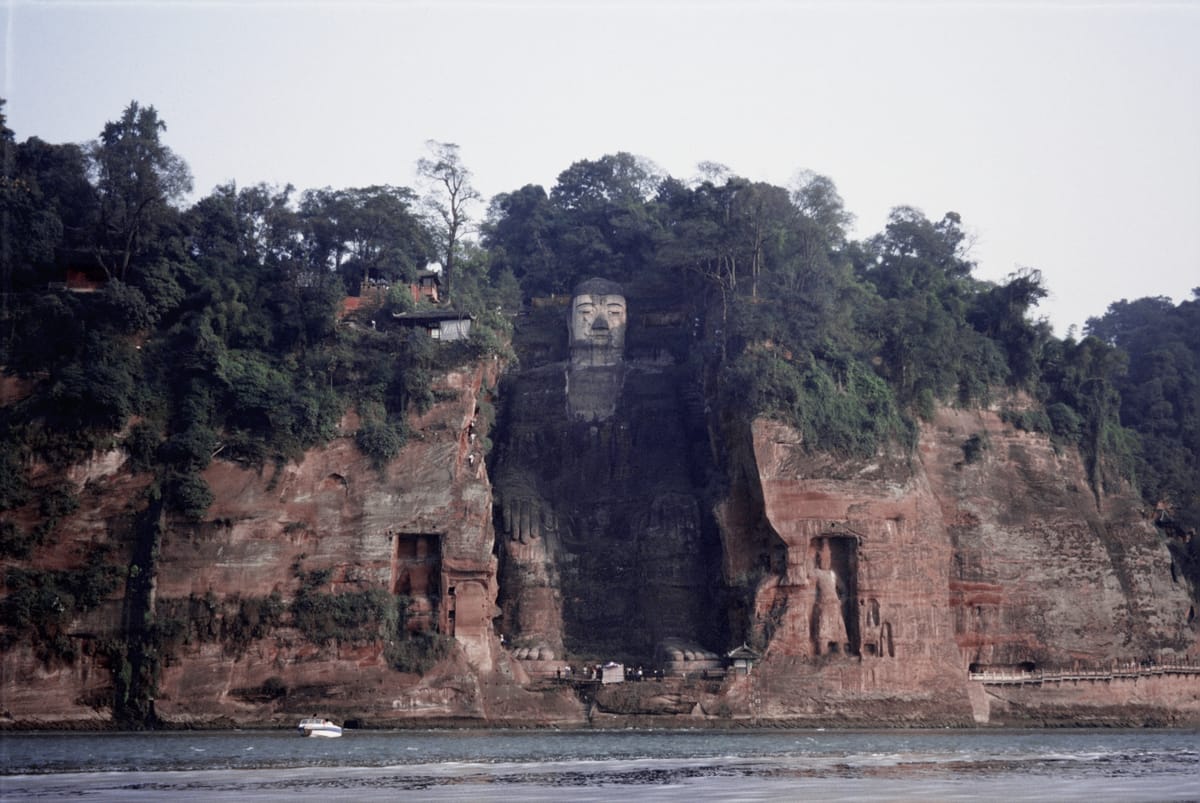
Leshan Giant Buddha
How did Tang-dynasty workers carve a coherent, 71-metre seated Buddha directly into a river cliff over some ninety years and three generations, and engineer a hidden drainage system that has kept the soft sandstone standing for more than 1,200 years?
713–803 CE, Tang dynasty · Leshan, Sichuan, ChinaAdded July 2026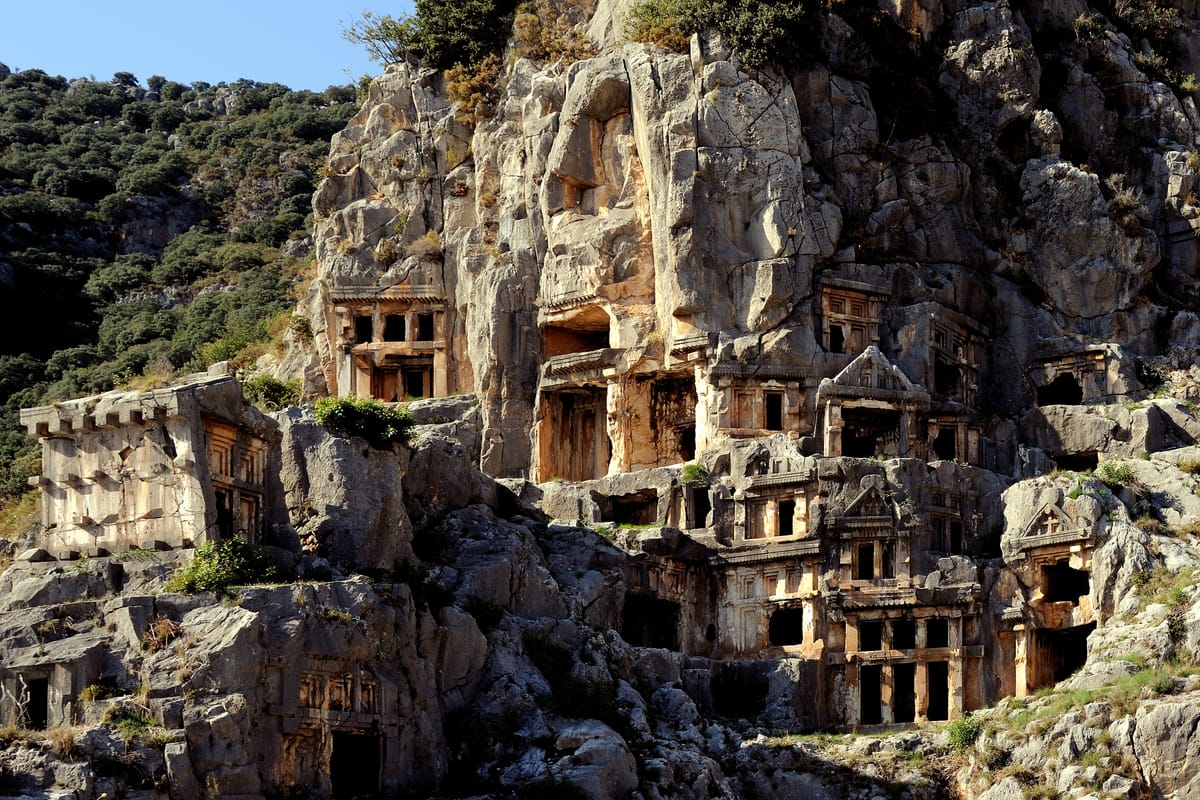
The Lycian Rock-Cut Tombs
Why did one people spend two centuries cutting their houses into cliffs — copying, beam for beam and plank for plank, a timber architecture that has since rotted away completely, so that the only surviving record of how Lycians lived is where they buried their dead?
mainly 5th-4th centuries BCE, with the great cliff necropoleis concentrated in the 4th century BCE · Lycia — Myra, Telmessos (Fethiye) and Xanthos, southwestern TürkiyeAdded August 2026