Tagged “pre-columbian”
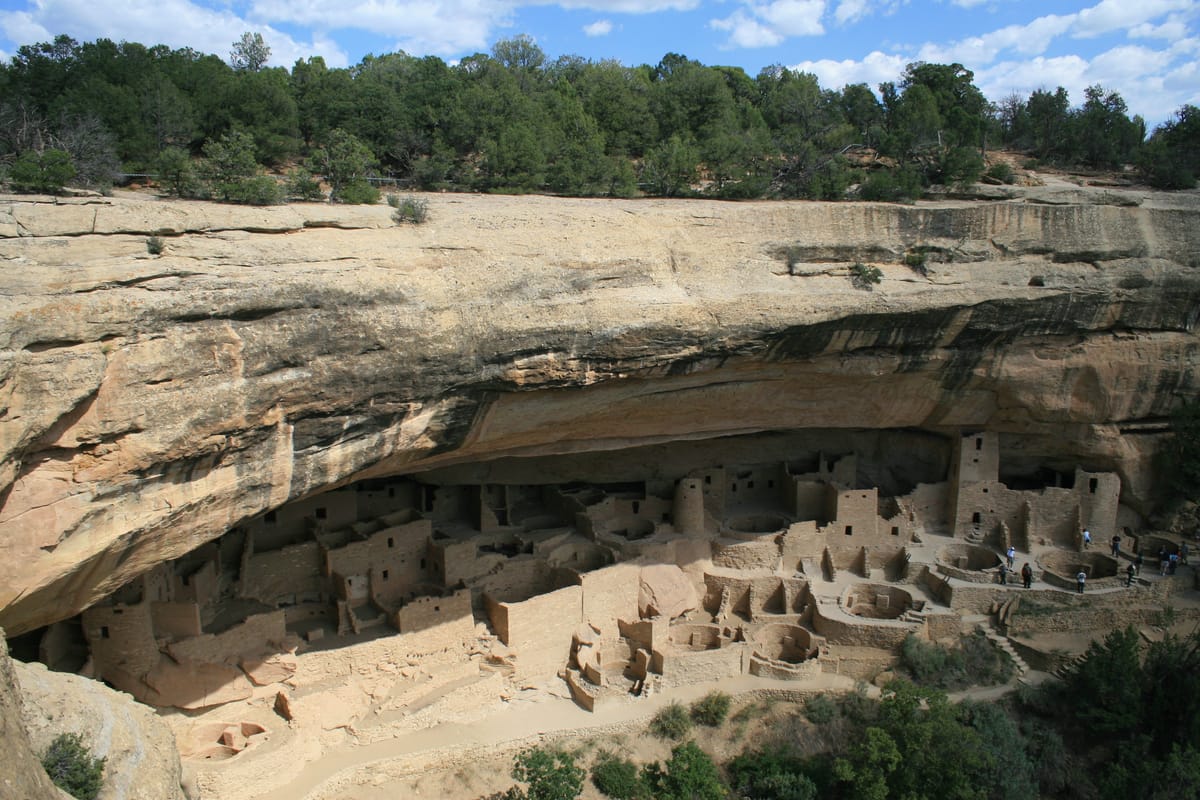
Cliff Palace
How did Ancestral Puebloan builders raise the largest cliff dwelling in North America — roughly 150 rooms and 23 kivas of shaped sandstone and mortar — inside a sheer canyon alcove reached only by pecked hand-and-toe holds, and why, within a few generations of finishing it, did they abandon it entirely?
c. 1190-1260 CE (Ancestral Puebloan) · Mesa Verde National Park, Montezuma County, Colorado, United StatesAdded July 2026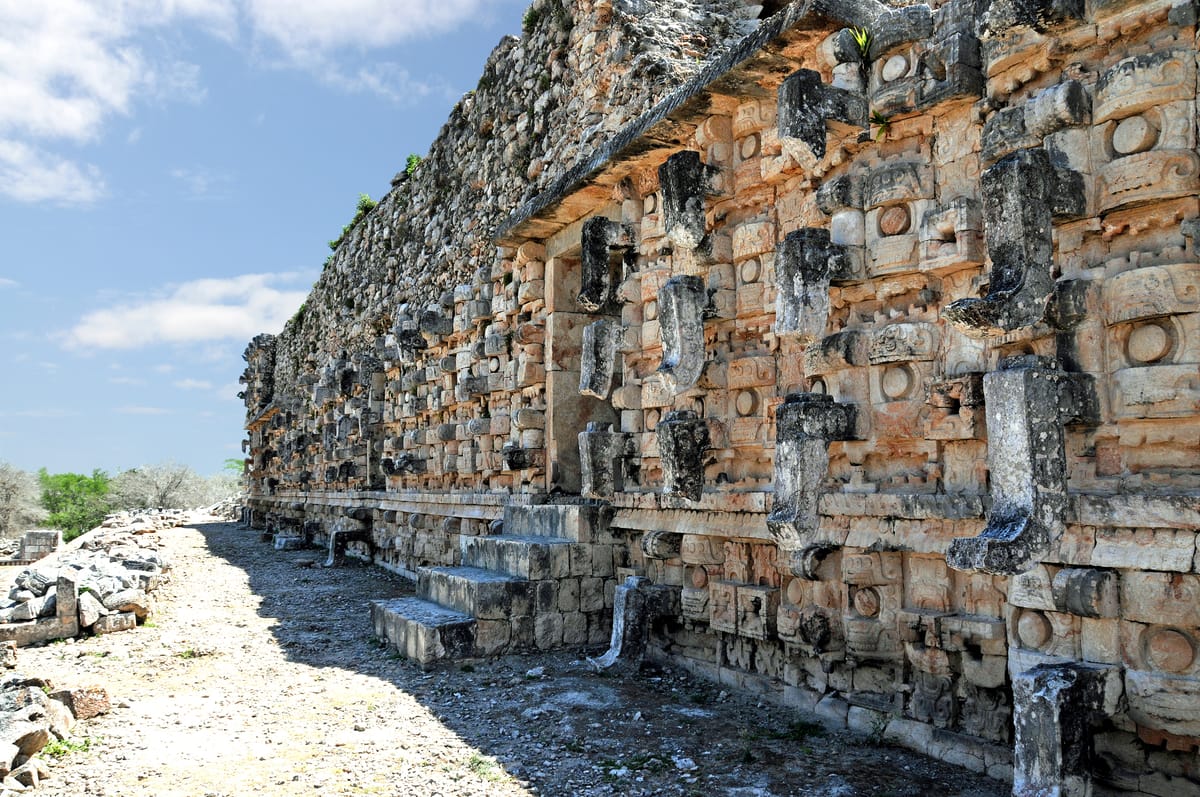 HIGH WONDER
Codz Poop (Palace of the Masks), Kabah
How did Kabah's masons cut, sort and fit thousands of interchangeable limestone elements — with no metal tools, no wheel and no surviving plan — into rank upon rank of near-identical god-masks covering an entire 53-metre façade?
c. 850-900 CE (Terminal Classic), with carved dates on the building itself read as 859 and 873 CE · Kabah, Yucatán, MexicoAdded July 2026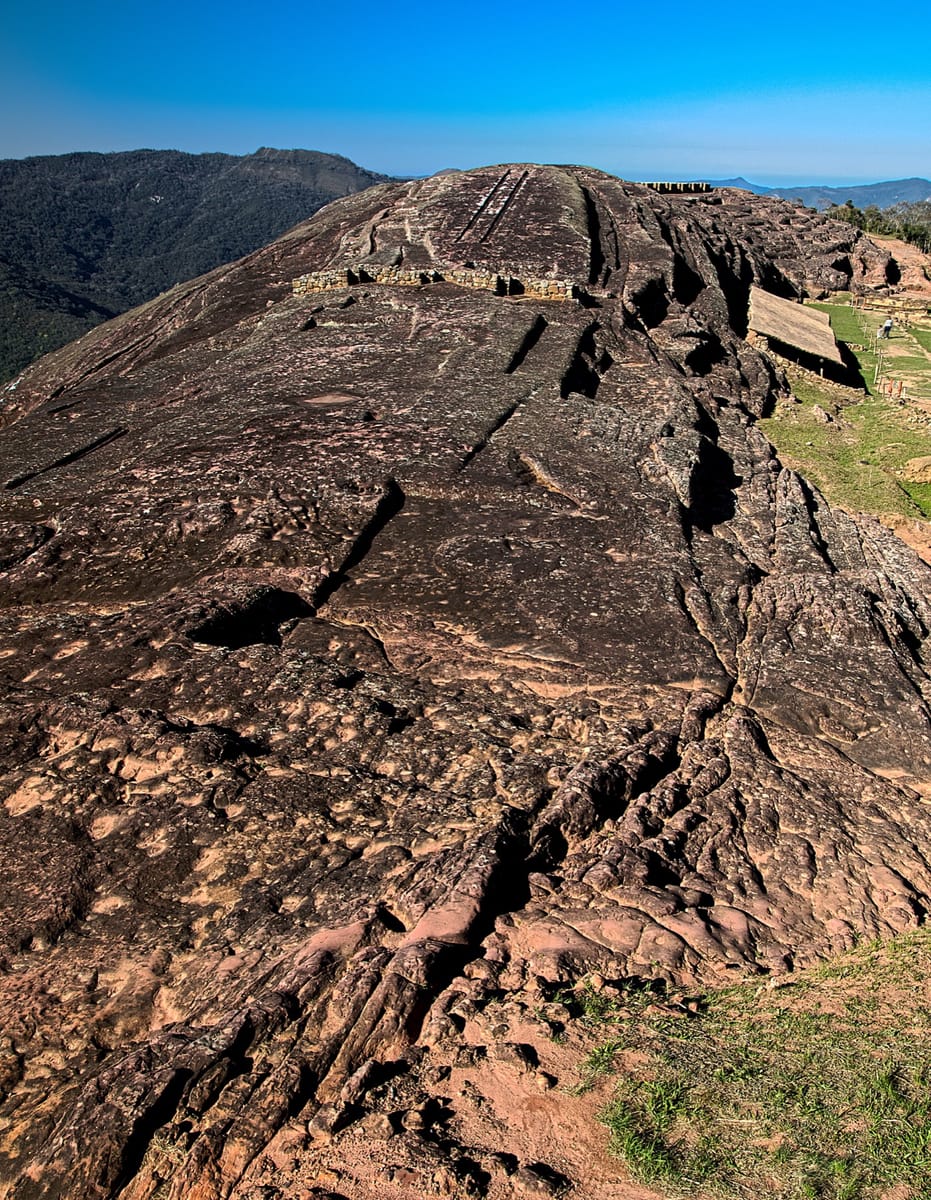
El Fuerte de Samaipata
Why did successive cultures spend more than a thousand years carving a single sandstone hill into the largest sculptured rock on Earth — cutting channels, niches, and animal reliefs into the living stone — and what were all those figures actually for?
carving begun c. 300 CE (Mojocoyas/Chané), expanded under the Inca in the late 15th century CE · Samaipata, Florida Province, Santa Cruz Department, BoliviaAdded July 2026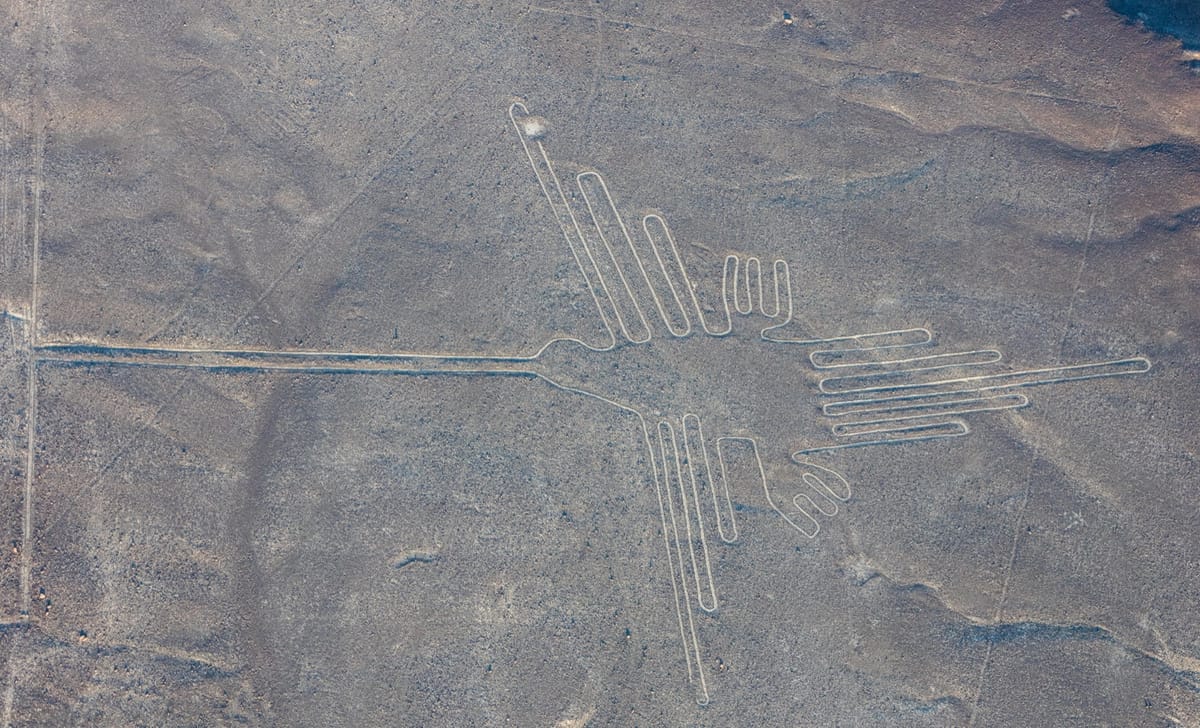 HIGH WONDER
Nazca Lines
How did a people with no aircraft lay out animal figures and dead-straight lines running for kilometres across the desert — forms whose full shape is only legible from the air — with such control of scale and proportion, and what were they for?
c. 500 BCE – 500 CE (Nazca culture, with earlier Paracas-phase figures) · Nazca Desert (Pampa de Jumana), Ica Region, PeruAdded July 2026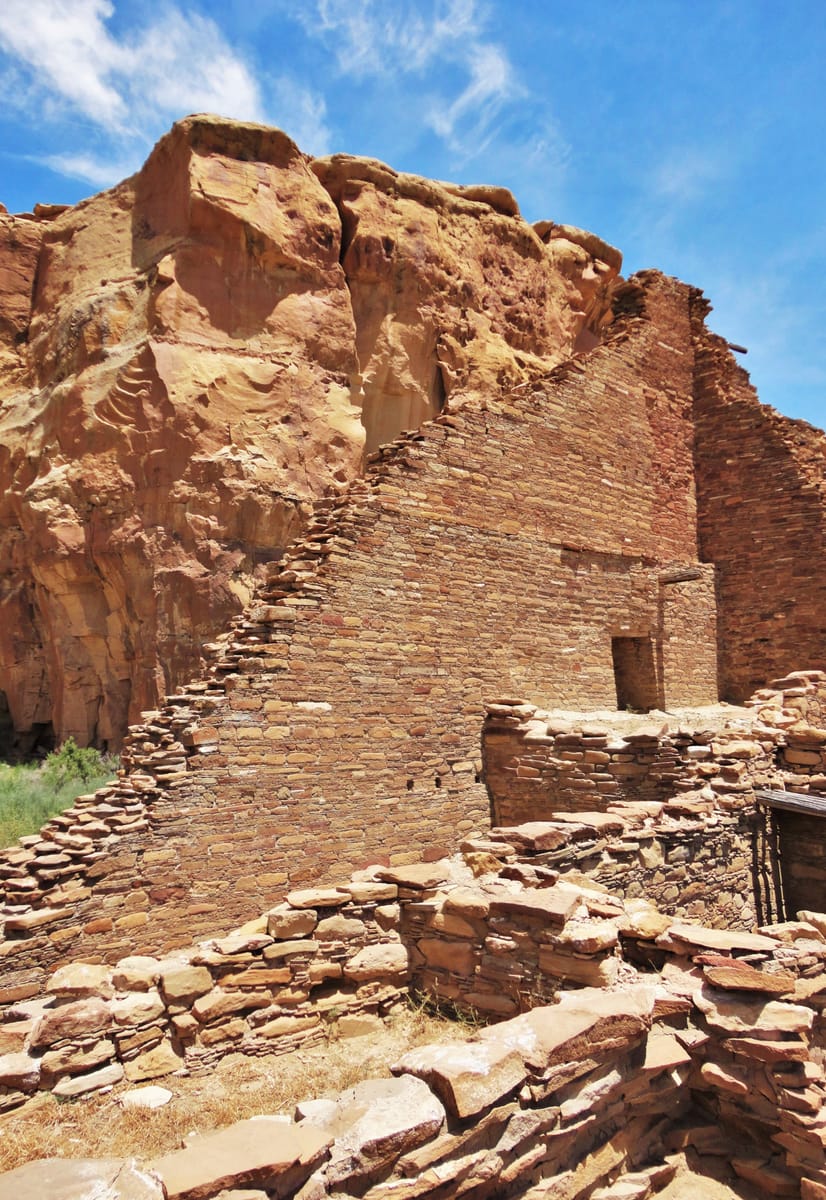 HIGH WONDER
Pueblo Bonito
How did Ancestral Puebloans, working without draft animals, the wheel, or metal tools, plan and raise a roughly 800-room, four-to-five-story great house — and haul in tens of thousands of conifer logs from mountains up to 70 miles away — and what, precisely, was Pueblo Bonito for?
c. 850-1150 CE (Ancestral Puebloan) · Chaco Culture National Historical Park, New Mexico, United StatesAdded July 2026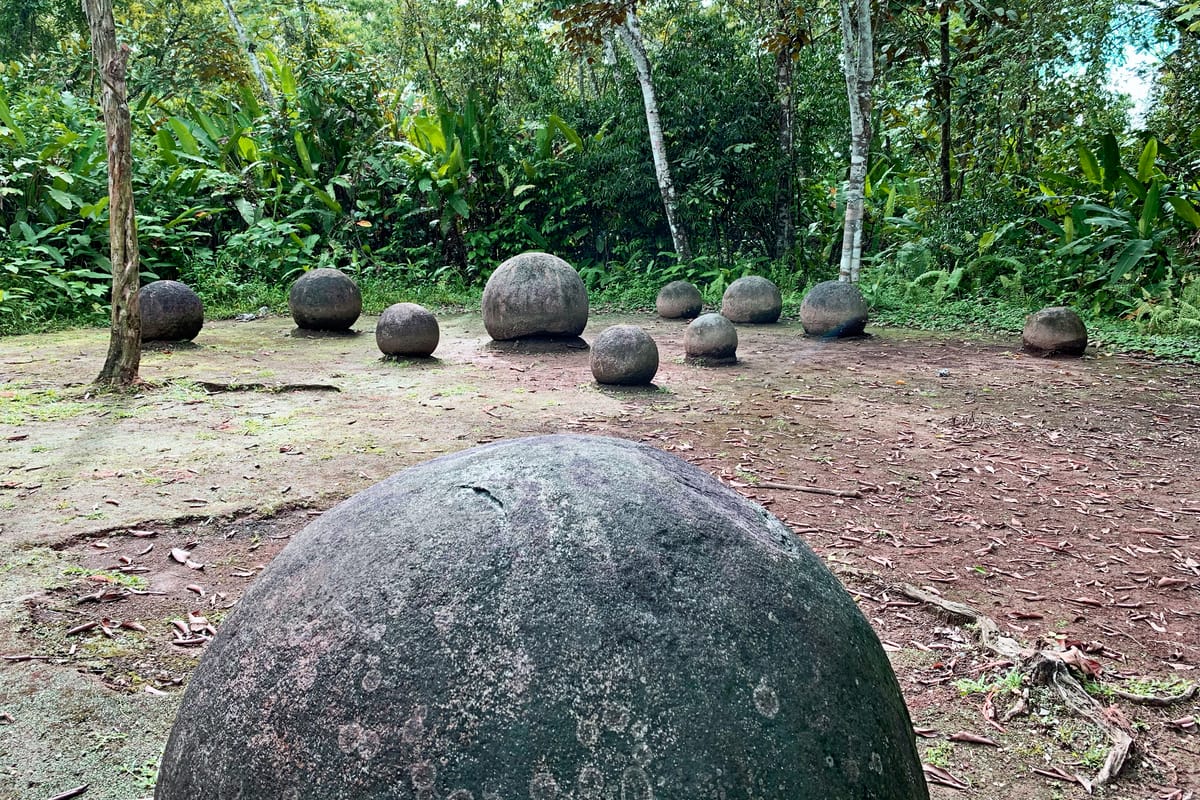 HIGH WONDER
The Stone Spheres of the Diquís
How did a society without metal tools or writing shape hundreds of hard igneous boulders into spheres accurate to within a few centimeters, and what did the careful arrangements of these stones mean to the people who placed them?
c. 600–1550 CE (Aguas Buenas and Chiriquí periods) · Diquís Delta, Palmar Sur, Puntarenas Province, Costa RicaAdded July 2026