Tagged “necropolis”
 HIGH WONDER
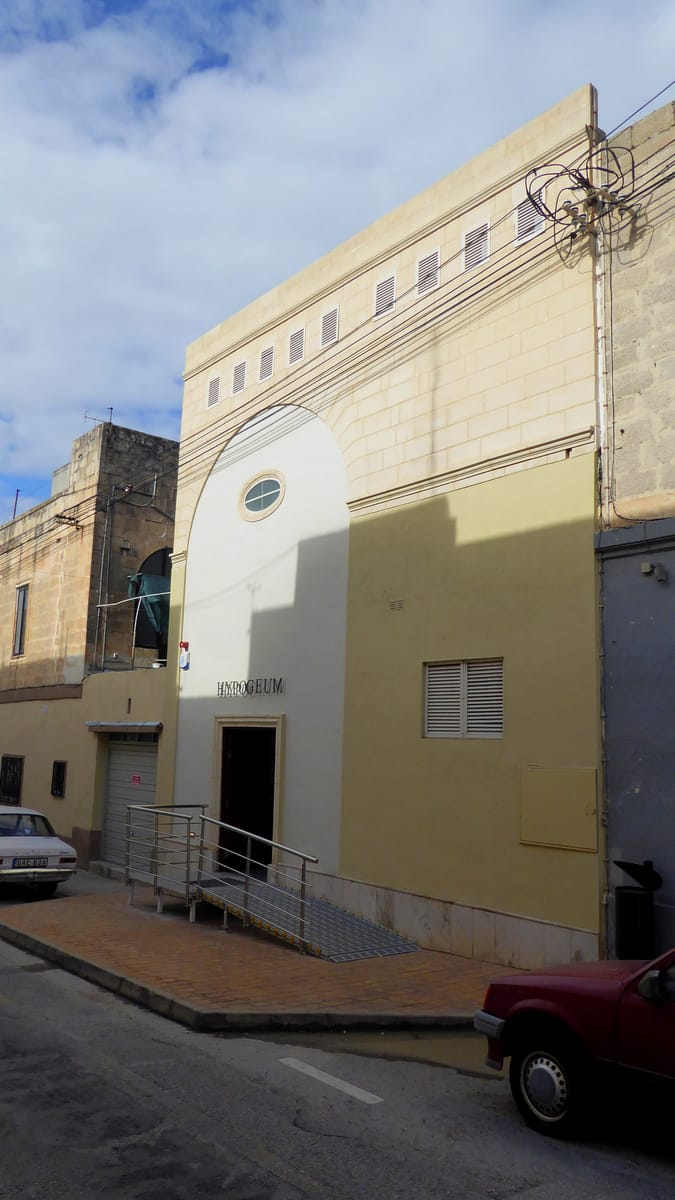
Ħal Saflieni Hypogeum
How did Neolithic Maltese communities, working only with stone, flint, chert, obsidian and antler tools, cut three precisely organized underground levels — including chambers that mimic the island's above-ground megalithic temples and a chamber with striking acoustic resonance — and what was the Hypogeum's exact ritual meaning to the people who used it?
c. 4000–2500 BCE, Malta's Neolithic Temple Period · Paola, MaltaAdded July 2026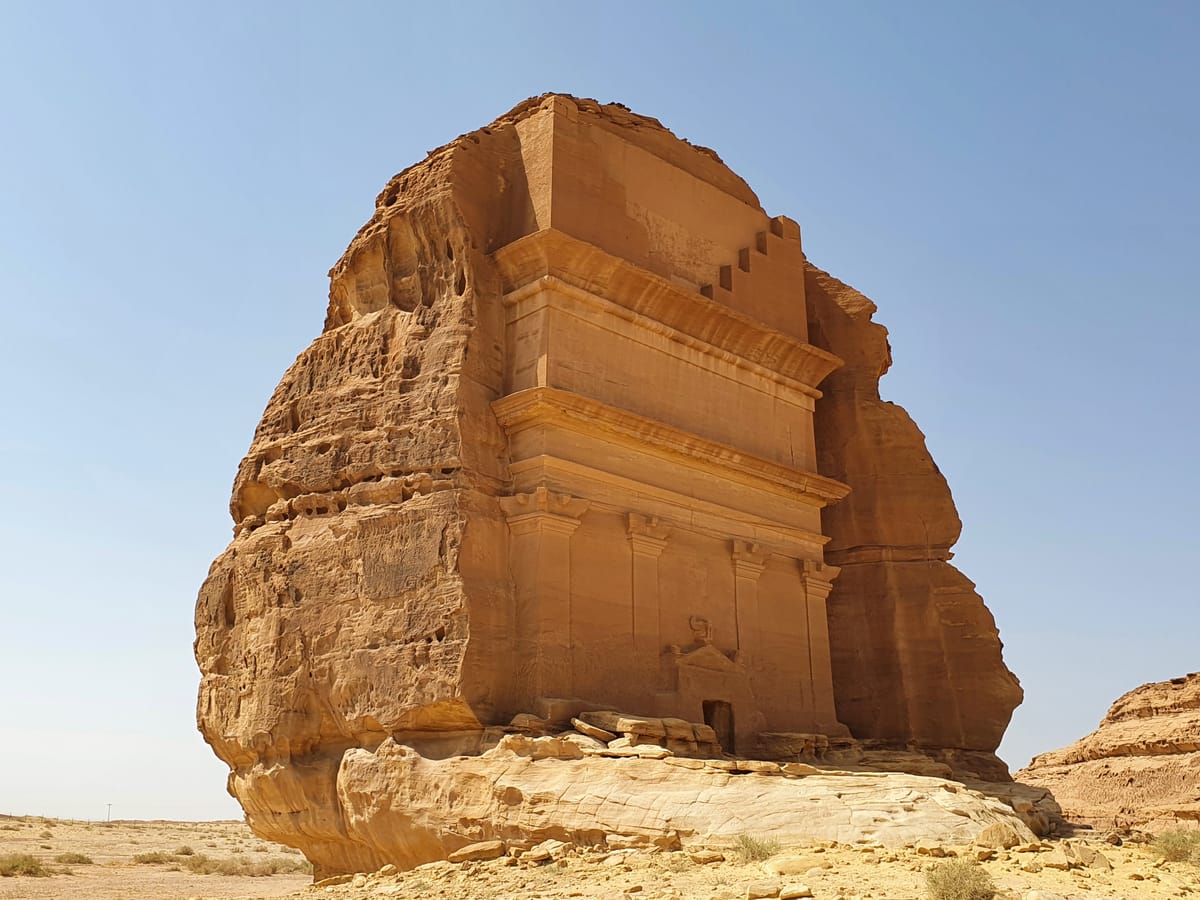
Hegra (Mada'in Salih)
How did a desert caravan society that left almost no records of its daily life or administration organize the labor, planning, and standardized craft needed to carve more than a hundred monumental tombs — many precisely dated by inscription and executed to a consistent architectural formula — top-down into scattered sandstone outcrops?
1st century BCE – 1st century CE, Nabataean Kingdom · AlUla, Medina Province, Saudi ArabiaAdded July 2026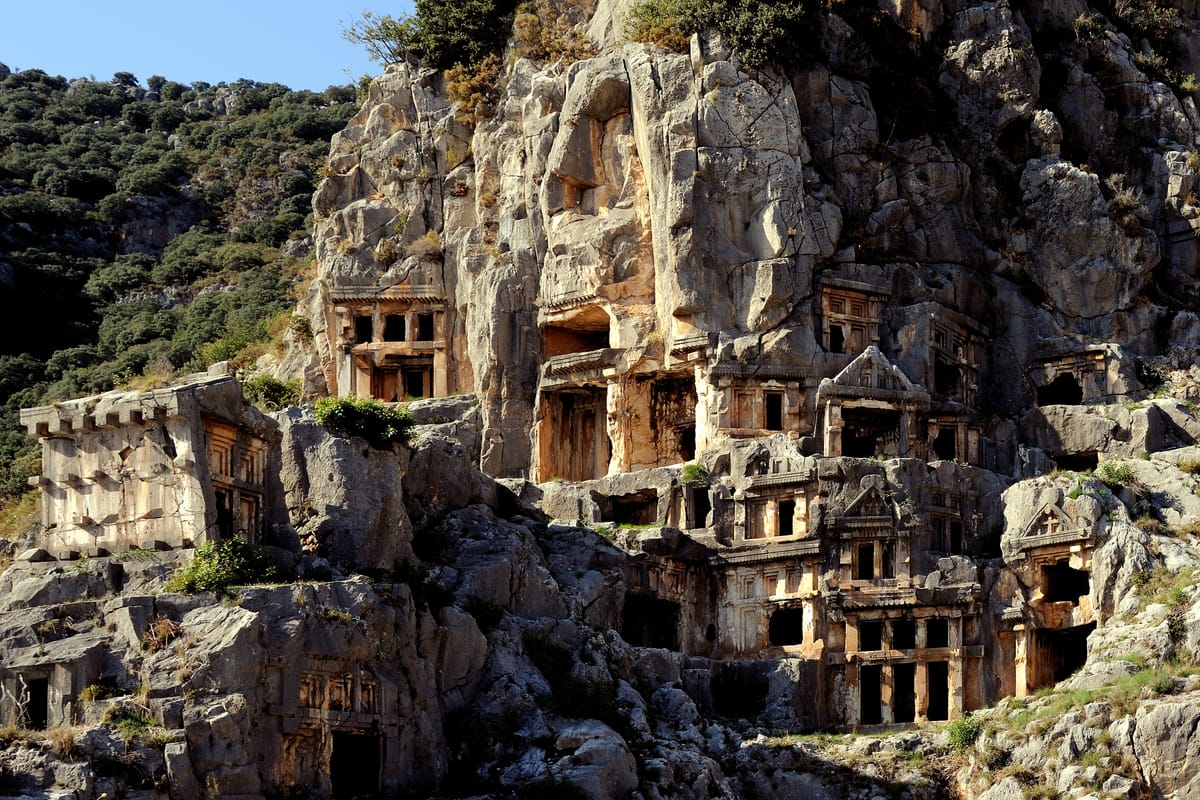
The Lycian Rock-Cut Tombs
Why did one people spend two centuries cutting their houses into cliffs — copying, beam for beam and plank for plank, a timber architecture that has since rotted away completely, so that the only surviving record of how Lycians lived is where they buried their dead?
mainly 5th-4th centuries BCE, with the great cliff necropoleis concentrated in the 4th century BCE · Lycia — Myra, Telmessos (Fethiye) and Xanthos, southwestern TürkiyeAdded August 2026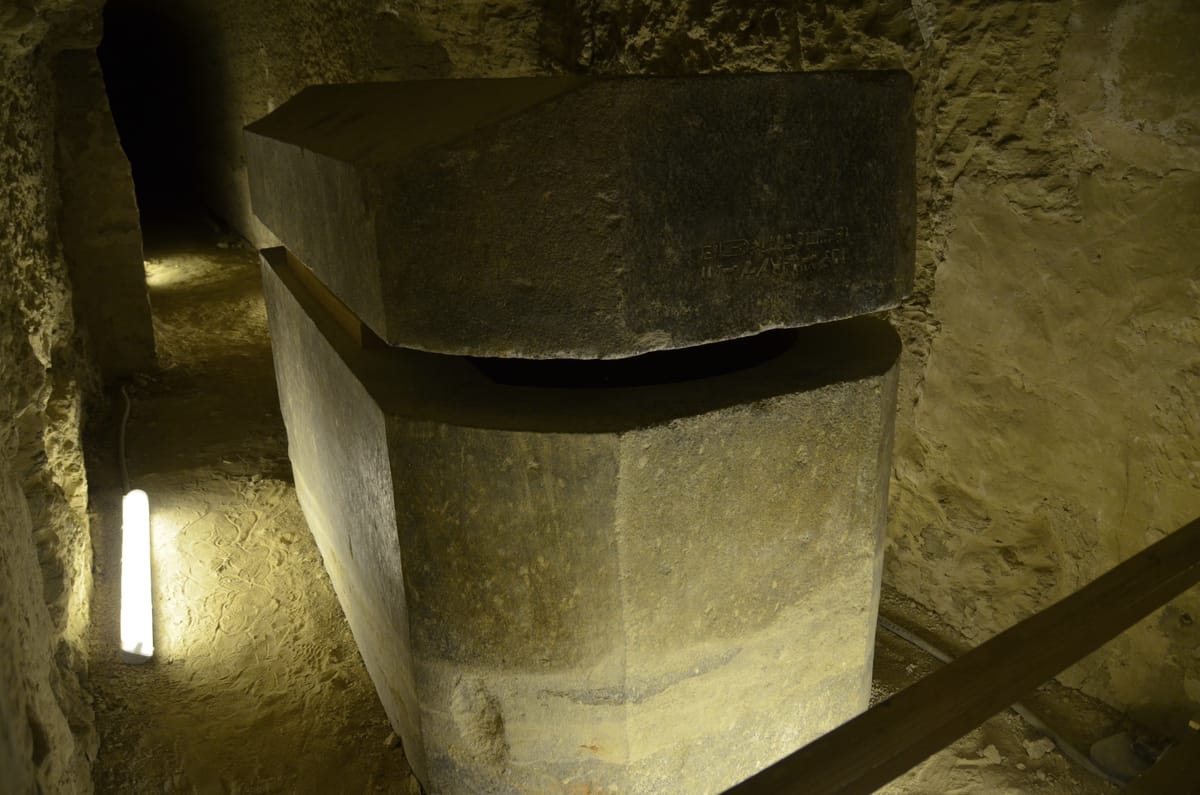 HIGH WONDER
Serapeum of Saqqara
How did New Kingdom and later Egyptian workers quarry, hollow, and dress roughly two dozen multi-tonne granite and diorite sarcophagi for sacred Apis bulls, then maneuver each finished box through narrow rock-cut galleries deep underground and lower it precisely into its burial niche?
c. 1400 BCE – 30 BCE, New Kingdom through Ptolemaic period · Saqqara, near Memphis, EgyptAdded July 2026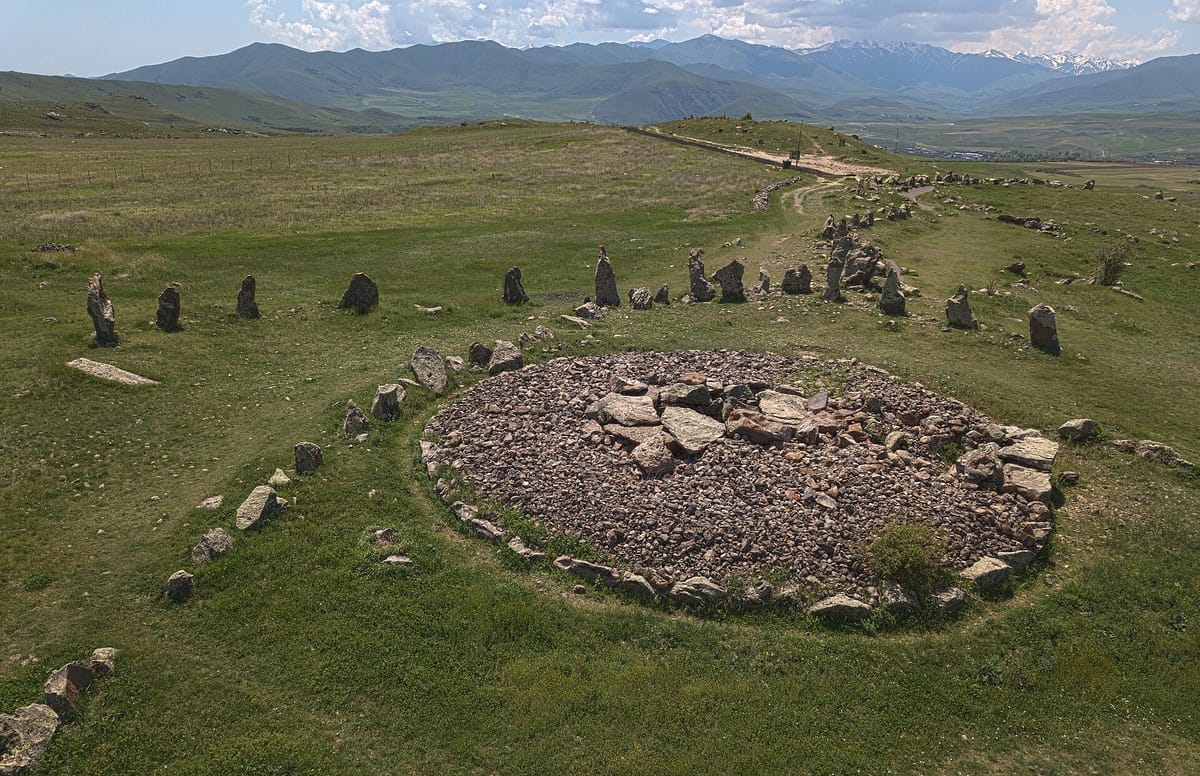
Zorats Karer (Karahunj)
Were the smooth bored holes in dozens of these standing stones deliberate sightlines onto the sky, or features of a burial and settlement site whose astronomical meaning has been read into it after the fact — and how old is the site really?
Middle Bronze Age to Iron Age (mainstream necropolis dating); much older observatory claims (c. 5500 BCE) are disputed and not accepted by most archaeologists · Near Sisian, Syunik Province, ArmeniaAdded July 2026