Tagged “puuc”
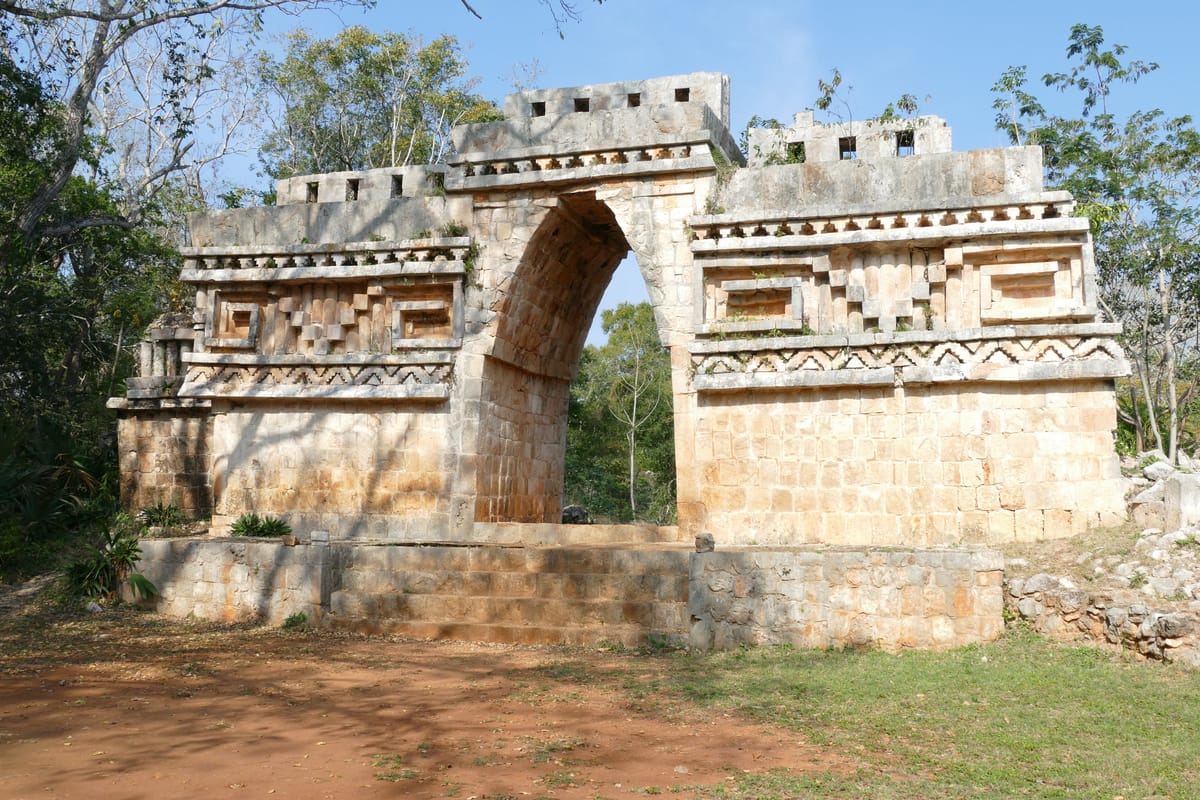
The Arch of Labná
How did Puuc Maya masons throw a six-metre-high span of thin veneer stone over open air without ever cutting a keystone — and what was a monumental gateway doing in the middle of a city of only about three thousand people?
c. 800-1000 CE (Terminal Classic); the arch is usually placed in the later 9th century, and Labná's only readable dated inscription reads 862 CE · Labná, Yucatán, MexicoAdded July 2026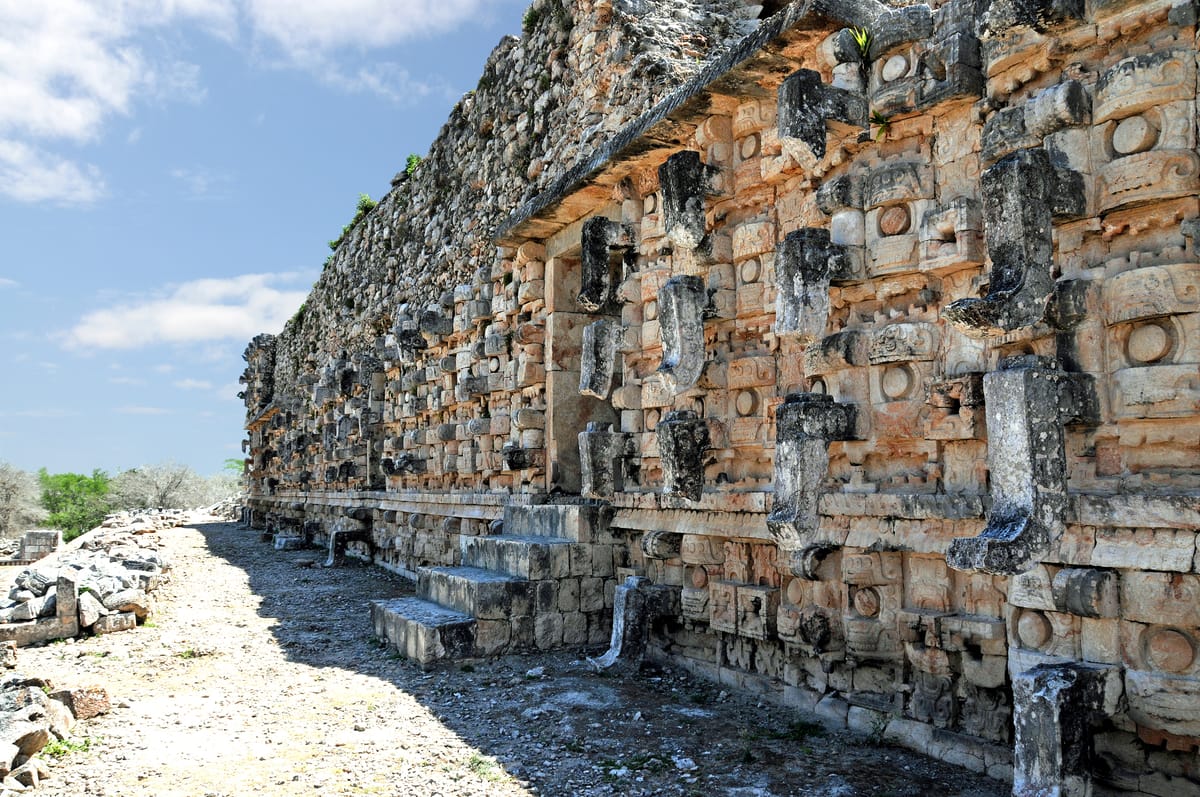 HIGH WONDER
Codz Poop (Palace of the Masks), Kabah
How did Kabah's masons cut, sort and fit thousands of interchangeable limestone elements — with no metal tools, no wheel and no surviving plan — into rank upon rank of near-identical god-masks covering an entire 53-metre façade?
c. 850-900 CE (Terminal Classic), with carved dates on the building itself read as 859 and 873 CE · Kabah, Yucatán, MexicoAdded July 2026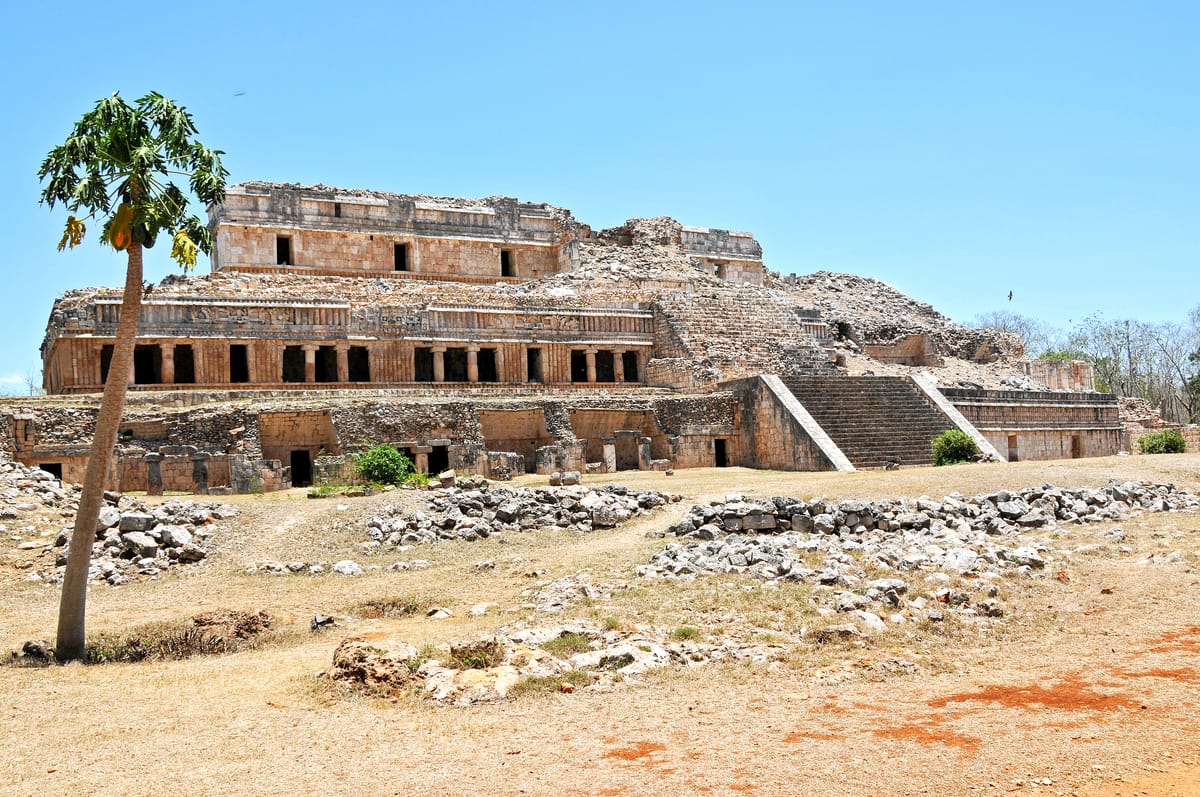
The Great Palace, Sayil
How did the Maya of Sayil raise a seemingly three-storey, 85-metre palace of more than ninety rooms in a hill country with no river, no lake and no cenote — and feed a city of thousands on rainwater alone, for barely two centuries before it emptied?
c. 800-1000 CE (Terminal Classic period), built in stages over a demolished Late Classic substructure · Sayil, Yucatán, MexicoAdded July 2026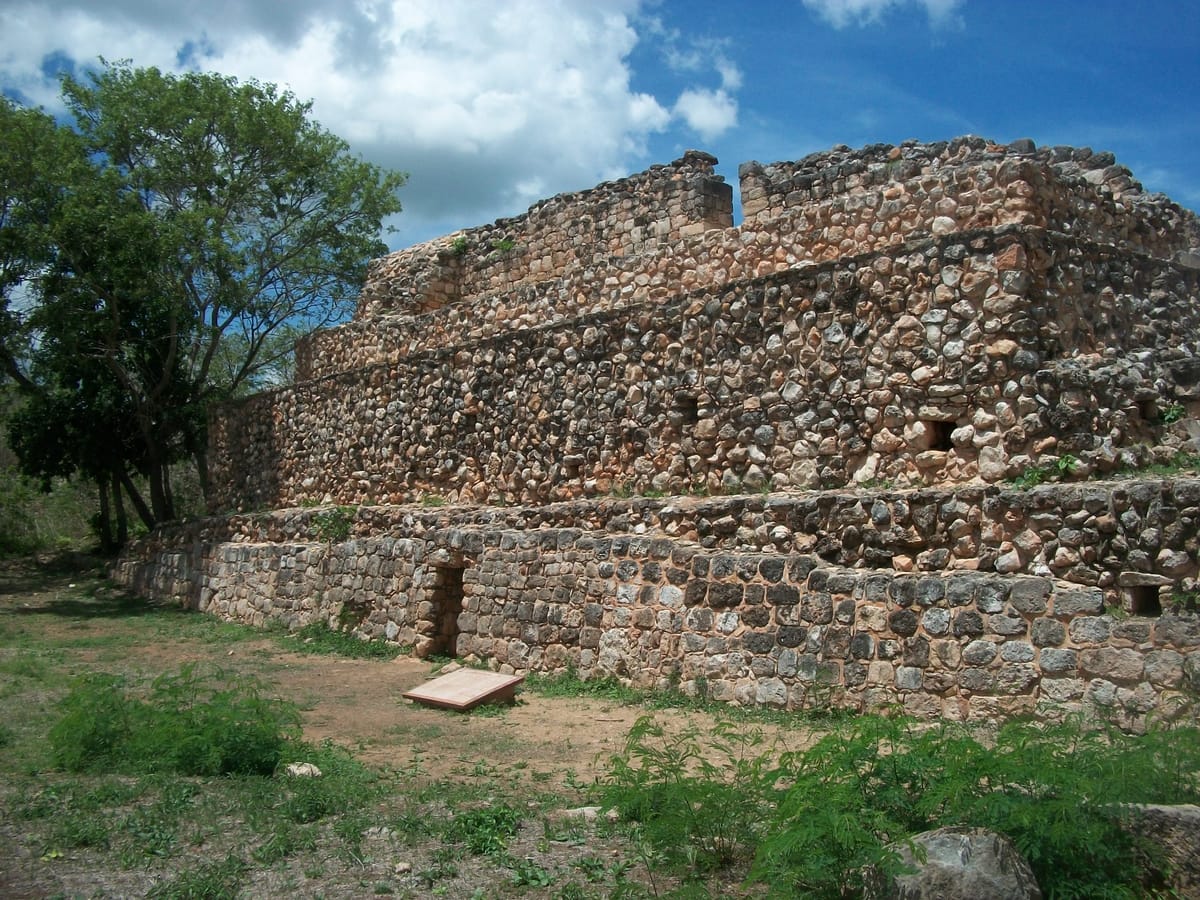 HIGH WONDER
Satunsat (The Labyrinth), Oxkintok
Why did the Maya of Oxkintok hide a three-storey maze of pitch-dark, corbel-vaulted passages, blind turns and hidden stairways inside an ordinary-looking stone platform — and what was anyone meant to do in there?
c. 300-500 CE (Early Classic) for the lower levels, with an upper level added in the emerging Proto-Puuc style c. 500-750 CE · Oxkintok, Yucatán, MexicoAdded July 2026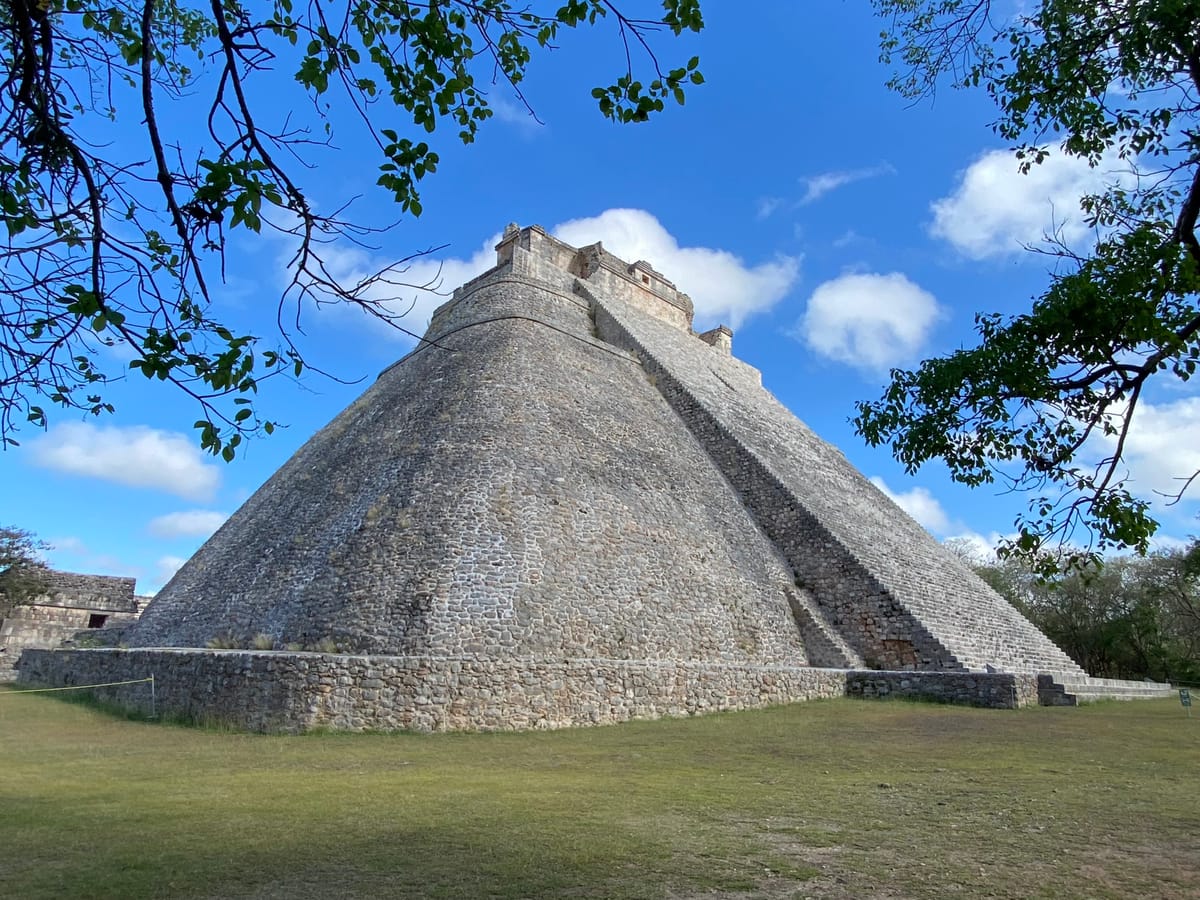 HIGH WONDER
Uxmal
How did Maya masons with no metal tools, no wheel and no draft animals mass-produce tens of thousands of interchangeable, precisely cut mosaic stones — and assemble them into hundred-metre façades — in limestone hills with no river, lake or cenote to build beside?
c. 700-1000 CE (Late to Terminal Classic Maya), peaking c. 850-925 CE, with the earliest buried phase of the Pyramid of the Magician dated to the 6th century · Uxmal, Yucatán, MexicoAdded July 2026