Tagged “earthwork”
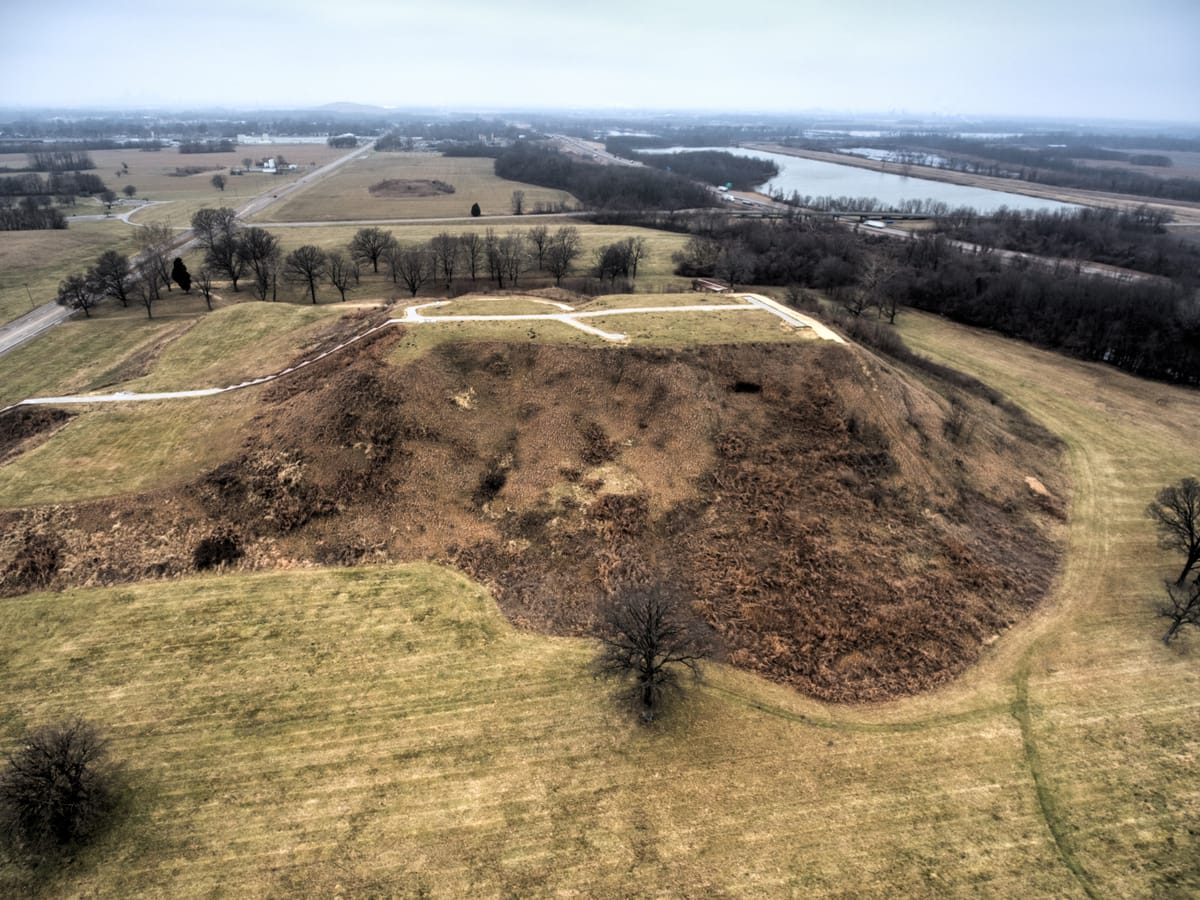
Monks Mound
How did a Native American society without draft animals, metal tools, or the wheel organize the labor to raise 22 million cubic feet of earth, basket by basket, into a stable 30-meter platform on soft floodplain soil — and why, at the height of its power, did the city built around it empty out?
c. 900-1200 CE, main construction c. 1050-1200 CE · Cahokia Mounds, near Collinsville, Illinois, United StatesAdded July 2026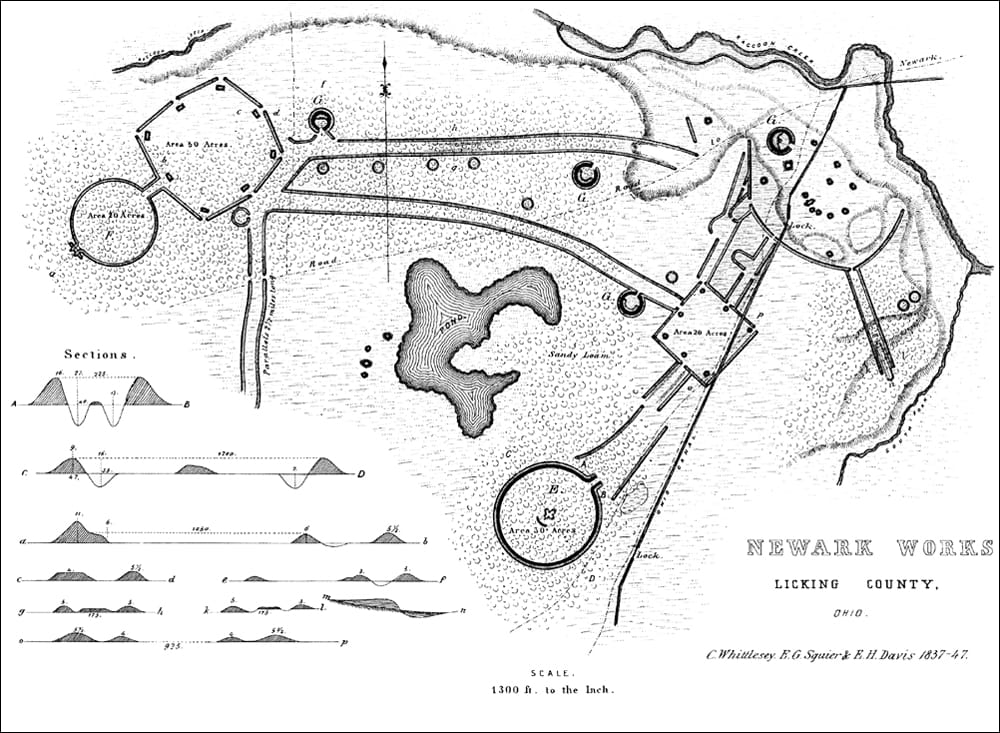 HIGH WONDER
Newark Earthworks
How did the Hopewell lay out miles of near-perfect circles, squares, and an octagon to a shared unit of measure — and encode the moon's 18.6-year standstill cycle into that geometry — without writing, metal tools, the wheel, draft animals, or any known surveying instruments?
Hopewell culture (Middle Woodland period), c. 100 BCE – 500 CE · Newark, Licking County, Ohio, United StatesAdded July 2026 HIGH WONDER
Poverty Point
How did a mobile hunter-gatherer society with no farming, no metal tools, no wheel, no draft animals, and no sign of kings or a coercive state organize enough people to move roughly a million cubic yards of earth, basket by basket, into the largest earthworks in North America — raising its greatest mound in under three months — and what was the whole complex for?
c. 1700-1100 BCE, Late Archaic period · Poverty Point, near Epps, West Carroll Parish, Louisiana, United StatesAdded July 2026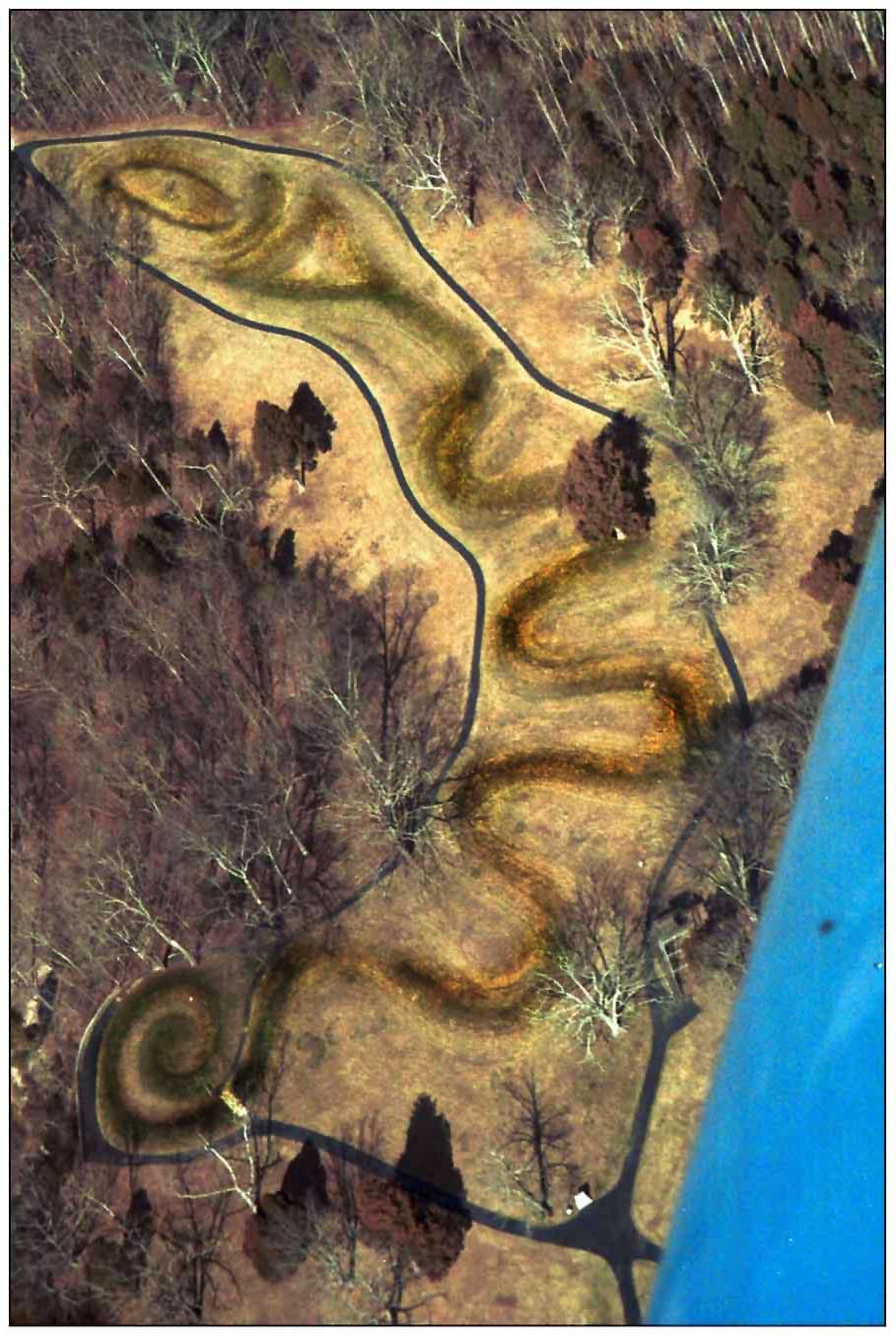
Serpent Mound
Which Native American culture actually built Serpent Mound and when, and what did its serpent form and solstice alignment mean to the people who raised it?
disputed: c. 300 BCE (Early Woodland/Adena) or c. 1000-1100 CE (Late Prehistoric/Fort Ancient) · Adams County, Ohio, United StatesAdded July 2026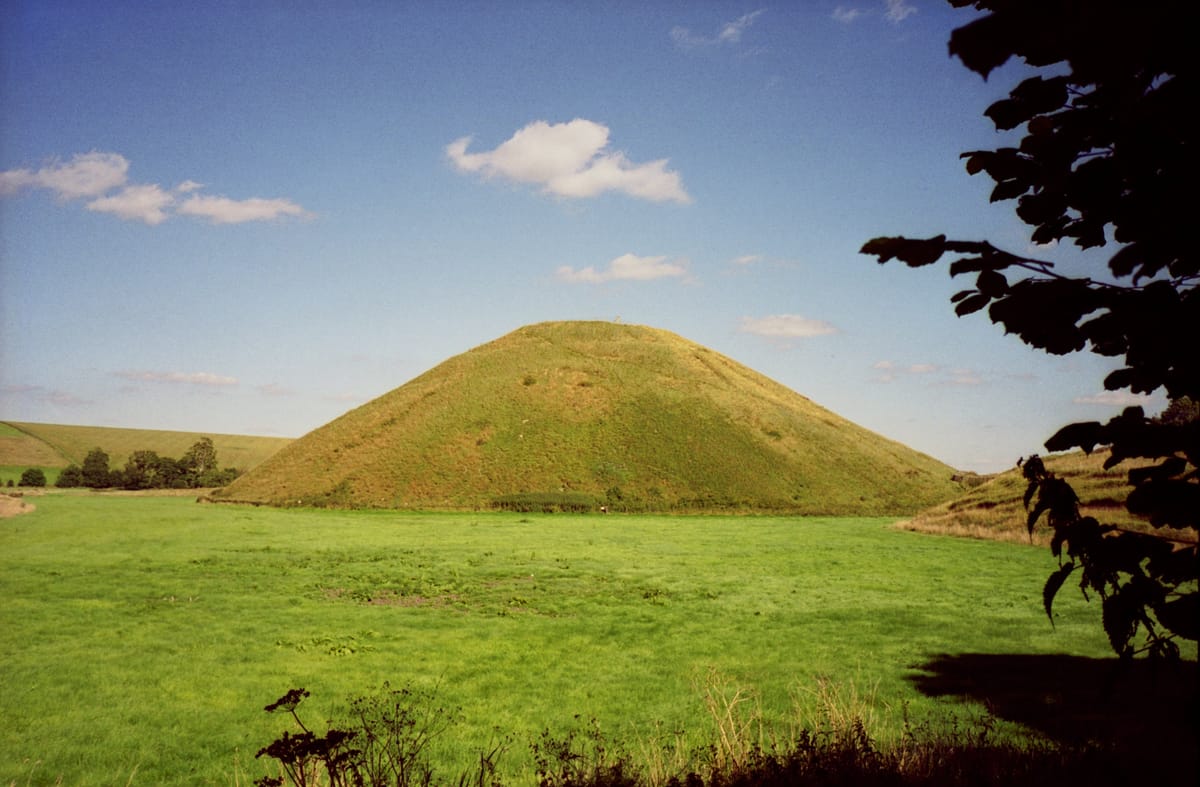 HIGH WONDER
Silbury Hill
Why did Neolithic communities commit an estimated four million hours of labor to raising the largest artificial mound in prehistoric Europe when centuries of tunneling have found no burial, chamber, or treasure inside it?
c. 2470–2350 BCE (Late Neolithic) · Avebury, Wiltshire, EnglandAdded July 2026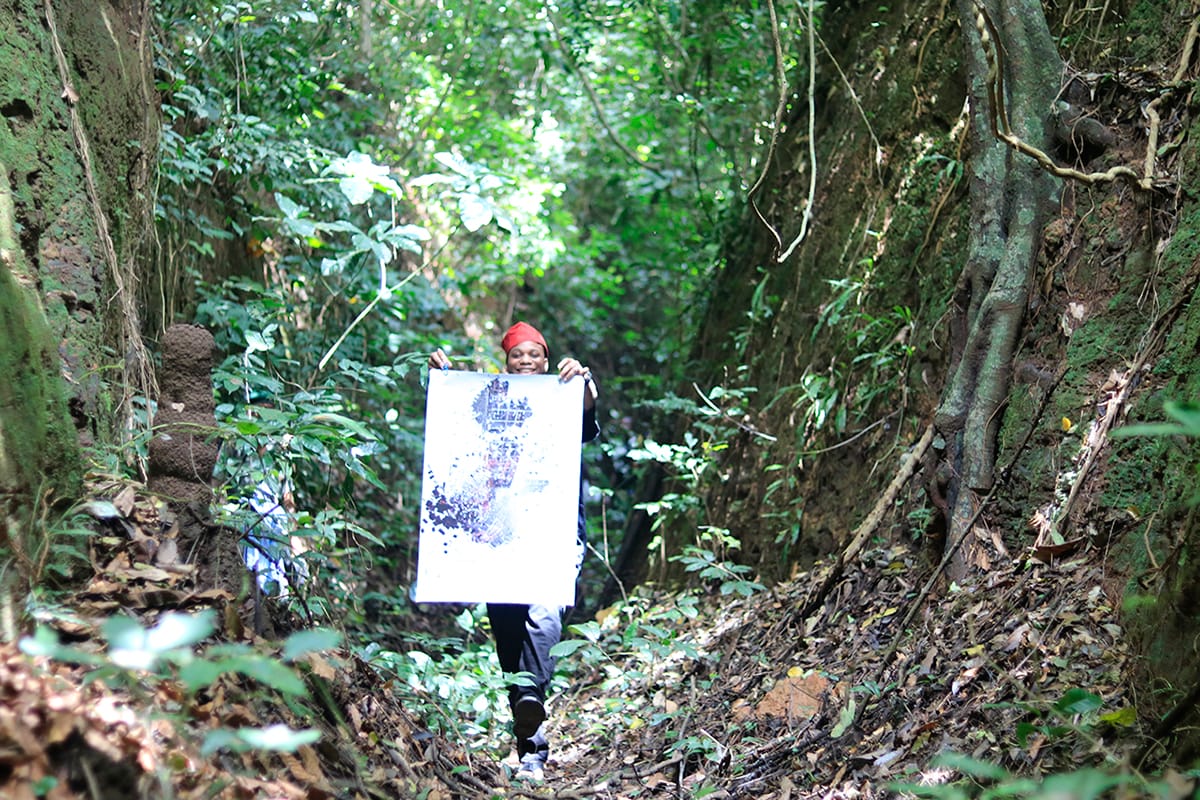 HIGH WONDER
Sungbo's Eredo
How did a pre-colonial forest kingdom in what is now southwest Nigeria organize the labour to dig a single continuous bank-and-ditch running some 160 kilometres — moving, by one estimate, more earth than the Great Pyramid of Giza — and why has one of Africa's largest ancient monuments been so little studied that even its date and purpose remain unsettled?
c. 800–1000 CE (Darling's estimate; more recent excavation points to the 14th–15th century) · Ijebu-Ode, Ogun State, NigeriaAdded July 2026