The Tunnels Built for the Sun
In Ireland and in Egypt, two peoples who never met each built a corridor whose only job was to let the sun in — on a few chosen days a year, and no others.
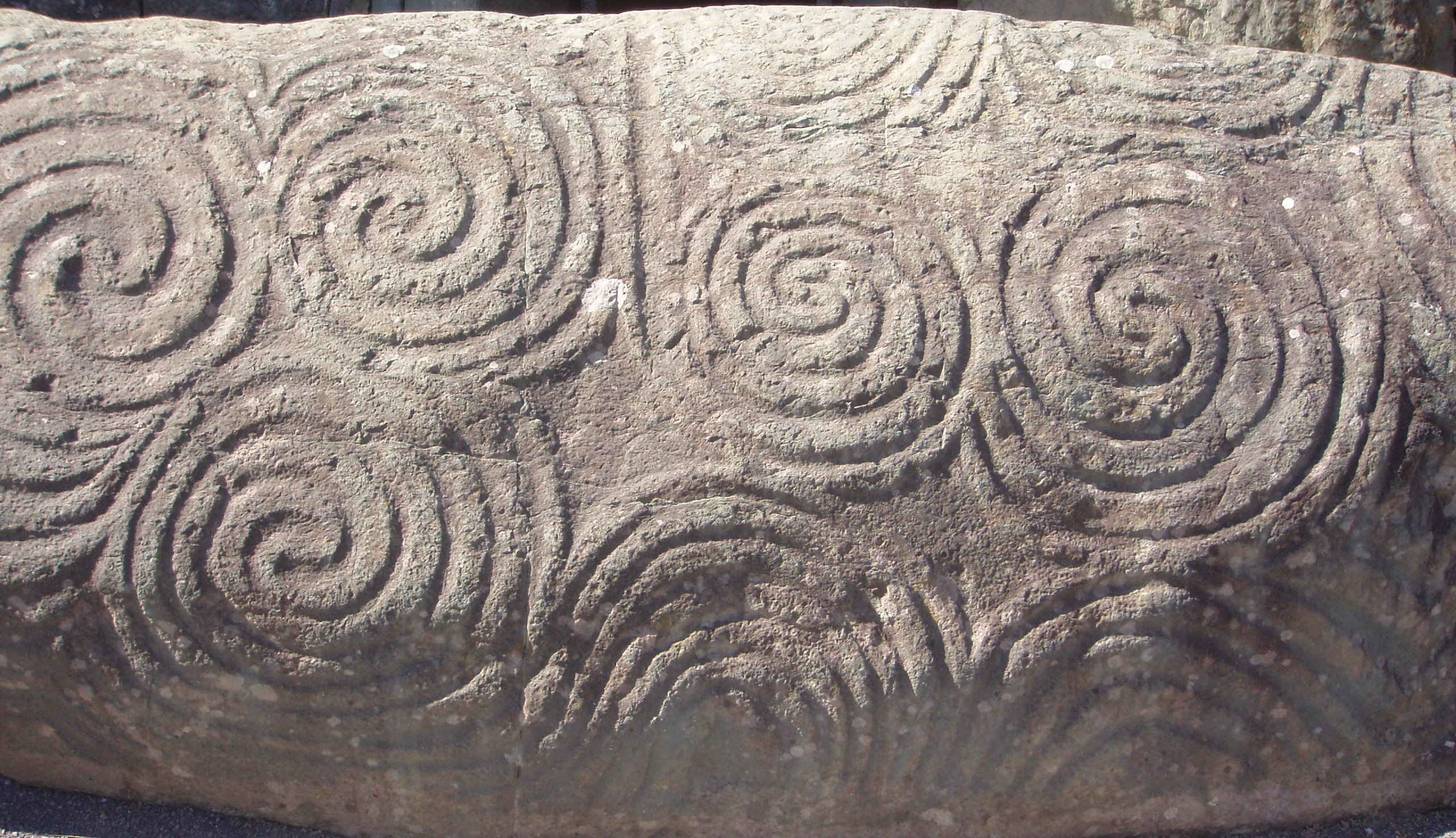
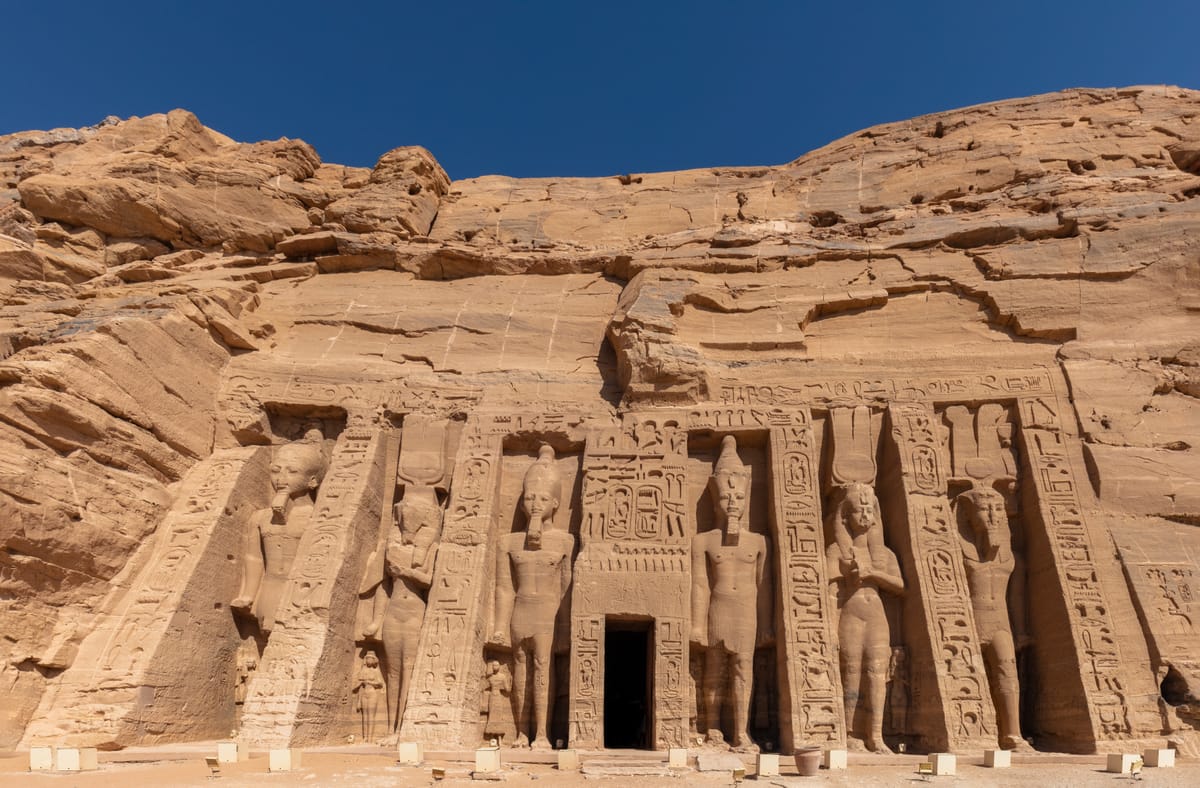
Picture a chamber sealed inside a mound in the Irish countryside, dark for three hundred and sixty days a year. Then, on a handful of December mornings, a blade of sunrise light slides nineteen metres down a stone passage and lands on the back wall, and the tomb goes gold. Now picture a second chamber, cut sixty metres into an Egyptian cliff, just as dark — until two mornings a year, one in February and one in October, the sun finds its way down that shaft too and lights the faces of gods carved from the living rock. Two rooms built to stay dark almost always, and to catch fire on purpose a few times a year. The people who built one had never heard of the other.
Each beam was engineered differently. At Newgrange, Neolithic farmers with no metal and no writing built a purpose-made aperture above the passage entrance — the roof-box — angled so precisely that it once caught the solstice sunrise at the exact moment of dawn, throwing light the full nineteen metres to the chamber’s rear. Abu Simbel needed no separate aperture at all: Ramesses II’s masons simply pointed the whole temple at the sun, boring hall and sanctuary sixty metres into sandstone so the doorway itself becomes the aperture, light walking past eight pillared statues to reach the gods at the back — three of them, anyway. The fourth, Ptah, lord of the underworld, sat just outside the beam’s reach, left in shadow on purpose. One culture built a small machine to catch the sun; the other built a mountain’s worth of one.
What neither site explains is why those days. Why the solstice, for farmers keeping a calendar with no writing at all? Why February and October, for a pharaoh who left no inscription naming his reason — birthday, coronation, season, or whim? The alignments aren’t in doubt; the meaning behind the chosen dates is, at both sites, genuinely still open.
Newgrange rose about nineteen centuries before Abu Simbel was carved, an ocean away, and neither people ever crossed it. No trader, no myth, no drifting idea carried a sun-tunnel from the Boyne to the Nile. Two peoples, alone, each decided that the way to honour whatever mattered most was to build a corridor, seal it in permanent dark, and engineer one door for the light to keep. Once you’ve watched the beam land in one, you start waiting for it in the other.
Read the full studies: NewgrangeAbu Simbel Temples