The Treasury You Can Build
In Civilization VI, you queue up Al-Khazneh yourself, and the game stops to tell you what it means.
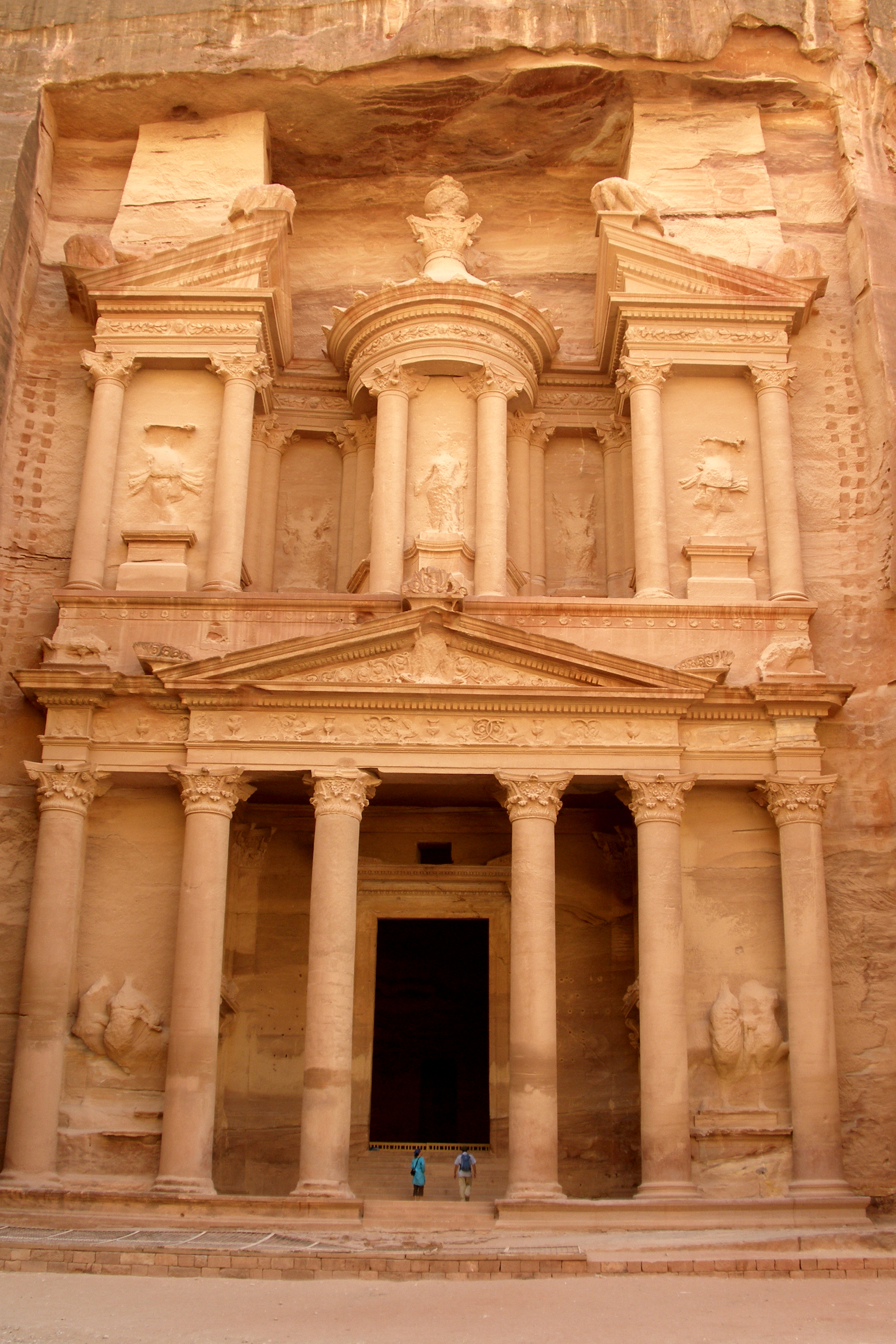
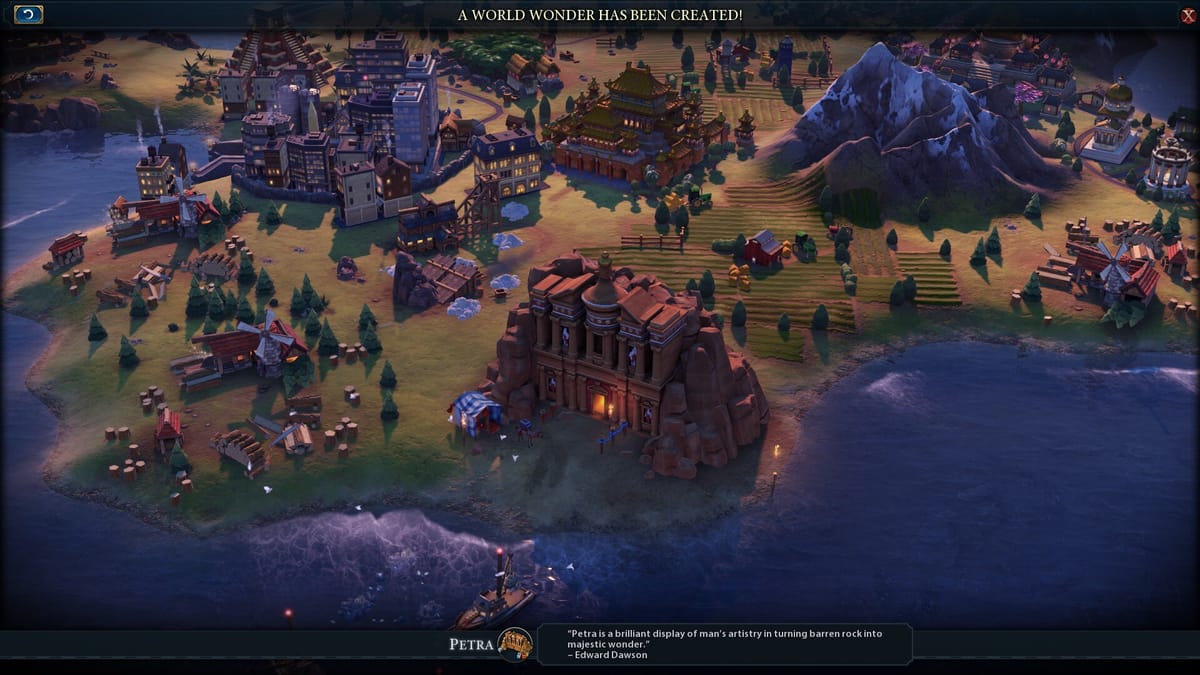
Civilization VI does not ask you to imagine Petra. It builds it for you, tile by tile, the moment you have a city bordering open desert and the right technology researched. Queue the wonder, wait out the production, and a small red-gold facade rises out of a rock outcrop on your map: columns, a broken pediment, a rounded urn on top, unmistakably Al-Khazneh, shrunk down to fit between a windmill and a cluster of pine trees.
Finish it and the game stops what it’s doing to tell you what you’ve made. A banner reads “A WORLD WONDER HAS BEEN CREATED,” and underneath it, a line of civilopedia flavor text: “Petra is a brilliant display of man’s artistry in turning barren rock into majestic wonder.” It is, structurally, just a bonus-generating building — more food, more production, more gold on the desert tiles around it — but the framing borrows the real monument’s whole rhetorical trick, presenting a carved cliff face as proof of what people can do with rock and will.
That trick works because Al-Khazneh’s actual builders pulled it off with tools that made “barren rock into majestic wonder” a literal job description, not a loading-screen aphorism. The game compresses two millennia of Nabataean stonework into one production queue and a single quote card, but it keeps the part that matters: the facade is still the whole argument. Even reduced to a building icon, Petra is still trying to impress you.
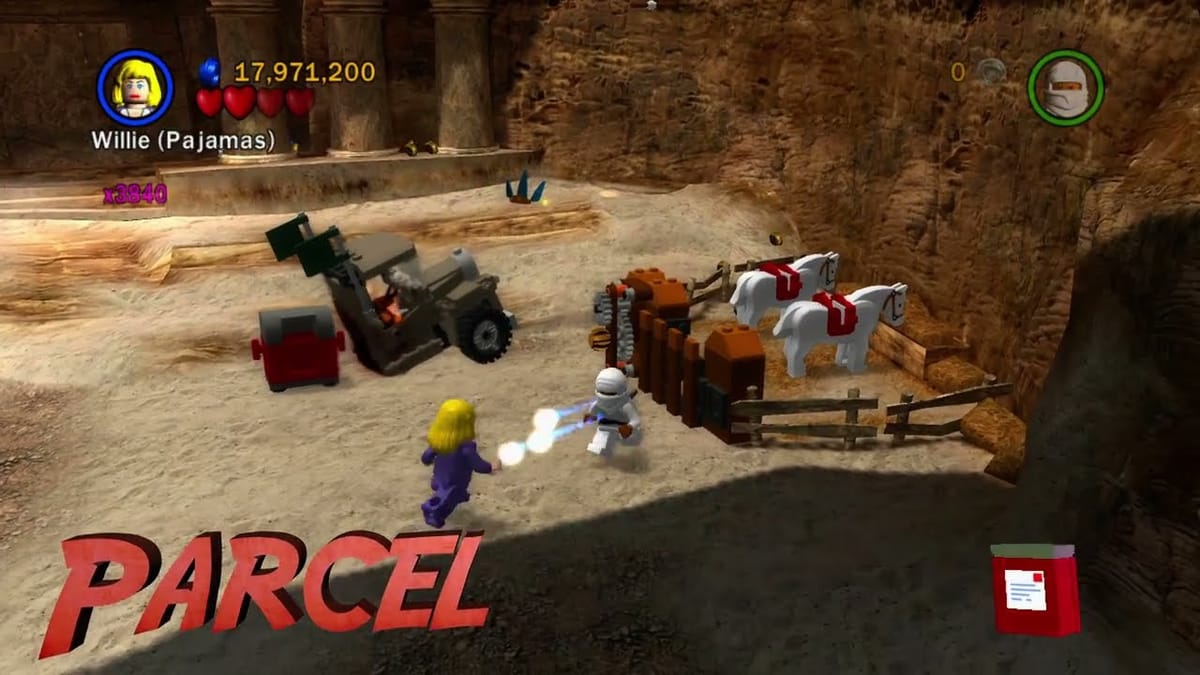
Civilization VI didn’t invent the shrinking-down trick — Lego got there first. Indiana Jones and the Last Crusade shot its climactic Grail temple at Al-Khazneh itself, and when Lego Indiana Jones: The Original Adventures rebuilt that ending as its final level, it rebuilt the facade too: same canyon approach, same columns, same rounded urn, now assembled from digital bricks instead of carved from Nabataean rock.
Read the full study: Al-Khazneh (The Treasury), Petra