The Temple You Trained In
Before Lara Croft ever raided an Egyptian tomb, she cut her teeth climbing the real Angkor Wat.
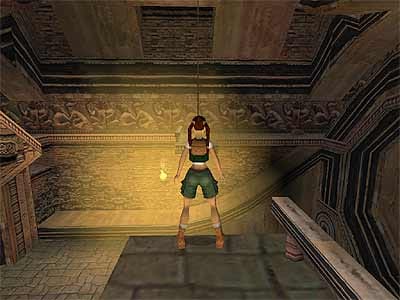
Tomb Raider: The Last Revelation doesn’t open in Egypt, where the rest of the game is set. It opens eight years earlier, with a sixteen-year-old Lara Croft scrambling through the galleries of Angkor Wat under the eye of her mentor Werner Von Croy — a flashback level built as her, and the player’s, training ground before the real story starts.
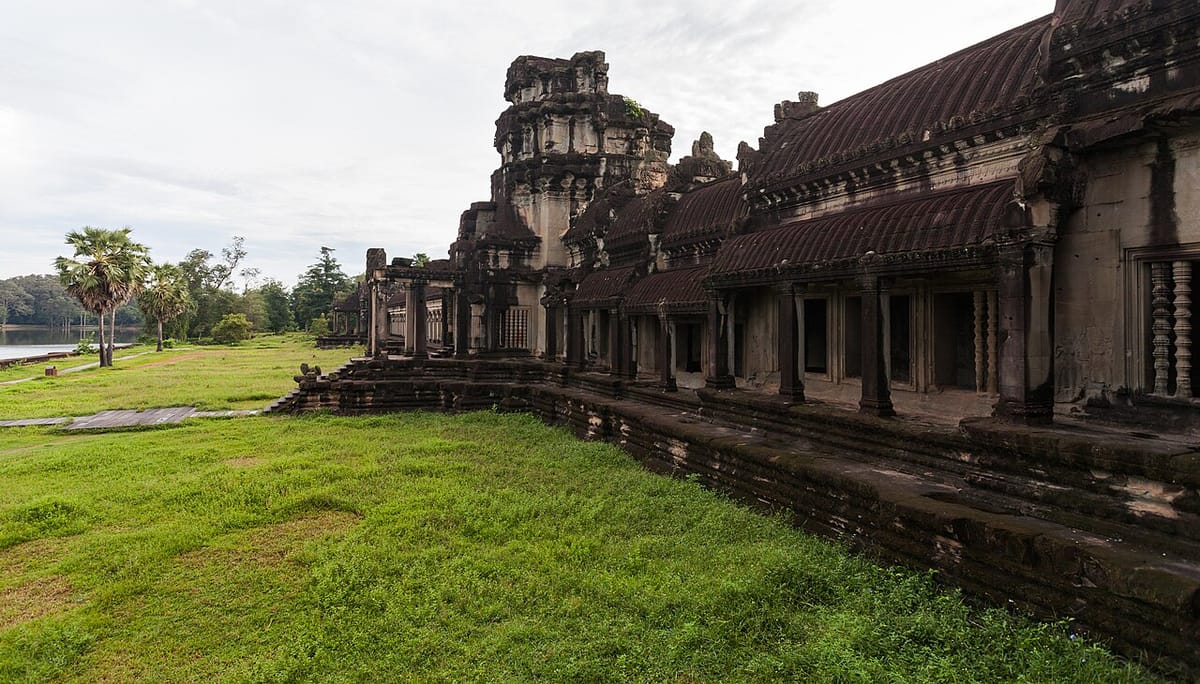
Core Design’s level designers didn’t invent a generic jungle ruin for it. They gave the level the temple’s actual grammar: tiered stone galleries, corbelled roofs, corridors lined with bas-relief carving, a rope swing across a sunken chamber lit gold like torchlight through a window. It’s a low-polygon, late-90s Angkor Wat, but a recognizable one — a teenager learning to climb, swing, and solve her way through the same kind of quincunx of towers that took a 12th-century kingdom decades to quarry, float, and raise.
For a lot of players in 1999, this five-minute flashback level was the first time they’d ever heard of Angkor Wat at all. It’s a strange kind of monument-building in its own right: a temple raised in sandstone by Suryavarman II gets raised again, briefly, in polygons, as the place a fictional archaeologist learned to become one.
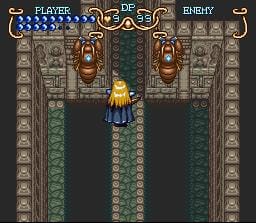
Lara wasn’t first, though: six years earlier, Quintet’s Illusion of Gaia sent SNES players into a 16-bit dungeon it simply called “Ankor Wat,” carved corridors, dark chambers, and all — a temple mountain rebuilt in sprites before anyone had heard the name Lara Croft.
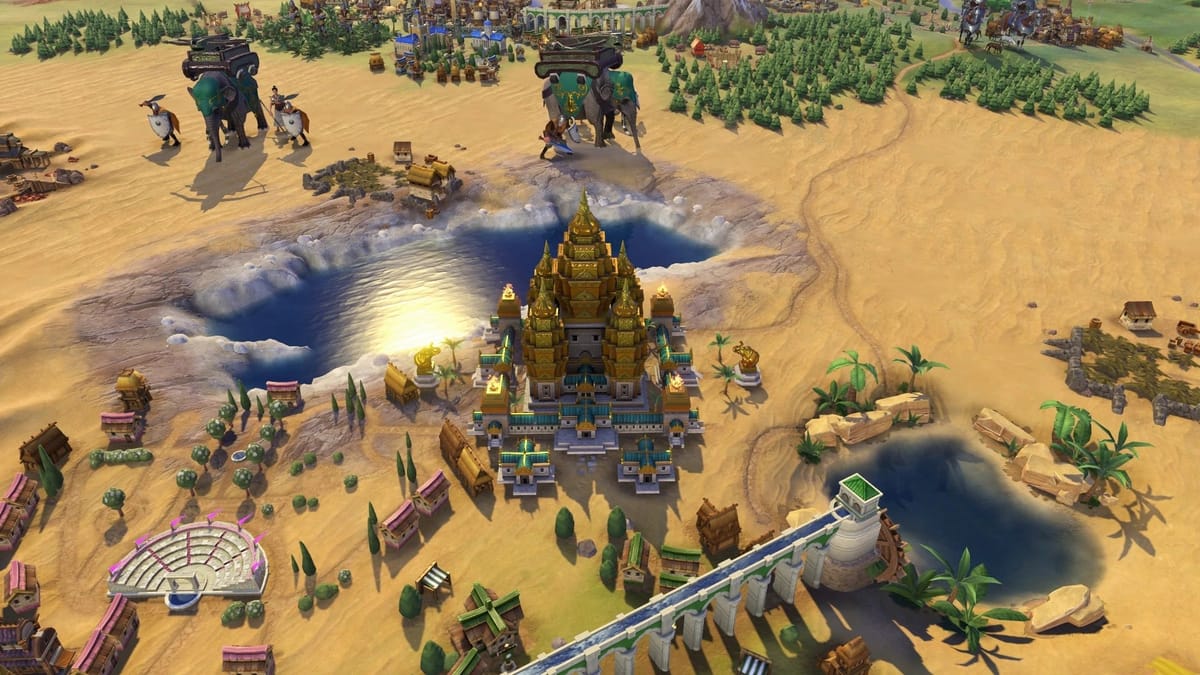
And in 2018, Civilization VI’s Rise and Fall expansion stopped letting you explore it and started letting you build it. Research Medieval Faires, find a city with an Aqueduct, and Angkor Wat goes into the production queue — five gilded towers rising over a moat, with the aqueduct running away downhill beside them. That adjacency rule is the one piece of real history the game keeps: the temple’s placement in the Khmer capital was inseparable from the reservoirs and channels that fed it. Firaxis pays it off in yields — +1 Population in every city you own, +1 Housing everywhere, +2 Faith — which is a strategy game’s way of saying the same thing the Khmer engineers knew. Water first, then the mountain.
Read the full study: Angkor Wat